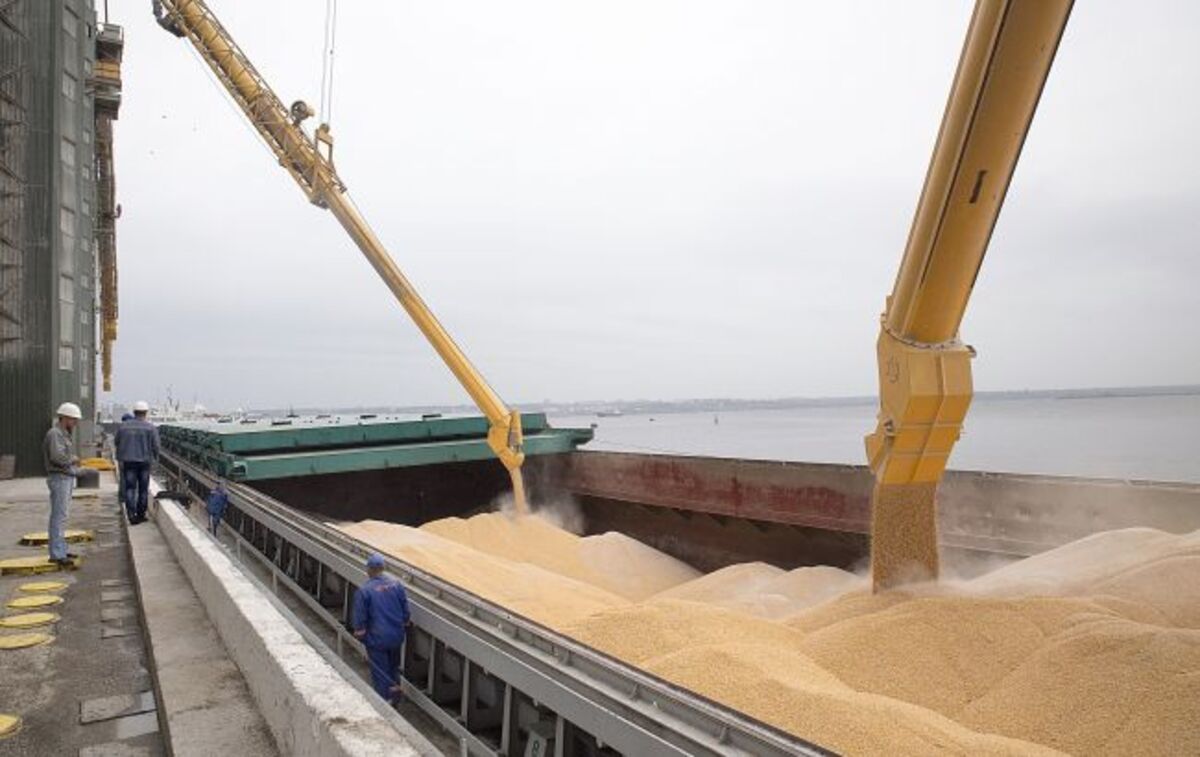
«The market is beginning to realize that exports through the Black Sea will be limited, and importers will have to adapt», — said StoneX commodity risk manager Matt Ammermann.
Exchange prices for wheat reached their highest level in three years amid fears of a new escalation of the war and possible cuts to supplies from the Black Sea region. This was reported on 27 August 2026 by Bloomberg. Futures for wheat in Chicago rose by 2.6% after a 6.4% jump the previous trading day. Since the start of August prices have risen by about 19% and reached their highest level since July 2023.
“The market is beginning to realize that exports through the Black Sea will be limited, and importers will have to adapt,” — said StoneX commodity risk manager Matt Ammermann.
The main reason for the price increase was fears that Russia may intensify attacks on Ukrainian infrastructure. New strikes on ports, grain terminals and civilian vessels could further limit exports through the Black Sea. Ukraine and Russia together account for more than a quarter of global wheat exports. The Black Sea region also accounts for significant supplies of corn, barley and sunflower oil.
Buyers are already beginning to look for additional grain in Australia and Argentina. However, shipping it to countries in the Middle East, Africa and Asia is more expensive than supplies from Ukrainian and Russian ports. Market participants warn: if maritime security in the Black Sea cannot be restored, prices may continue to rise.
Rising futures do not mean an immediate increase in bread prices in stores, but they create additional inflationary pressure. The price of grain affects the cost of flour, feed, meat and other food products. The biggest risks arise for countries of the Middle East, North Africa and Asia, which heavily depend on affordable grain from the Black Sea region.
According to the Ministry of Agrarian Policy and Food, due to problems with sea logistics Ukraine in the 2026/2027 marketing year may export only about 29.6 million tonnes of agricultural products. This is 54% less than the previous forecast, which anticipated shipments of 64.4 million tonnes.
Wheat exports could fall from the projected 17.6 to 8.3 million tonnes. Alternative routes via the Danube, rail and road crossings cannot fully replace Black Sea ports. Their maximum throughput is estimated at approximately 2.9 million tonnes per month, while Ukraine would need to export on average 5.4 million tonnes.
Supply restrictions threaten not only current exports. Because of the inability to sell the harvest, farmers may be left without money for seed, fuel, fertilizers and the sowing campaign 2027.
Against the background of logistical problems, the National Bank of Ukraine has temporarily increased the maximum payment terms for the export of certain types of agricultural products from 120 to 150 days.
The changes concern:
- grain crops;
- oilseeds;
- vegetable oils;
- by-products of their processing.
The new term will apply to operations carried out from 1 July 2026 to 31 August 2027 inclusive. The NBU explained the decision by the increase in Russian attacks on port infrastructure and civilian vessels, which makes transportation of products via alternative routes take more time.
Reminder: we previously wrote:
- In the Mykolaiv region, due to Russian attacks on ports, wheat and barley fell to 5–7 thousand UAH/ton
- Almost two weeks without ships to Odesa: the blockade disrupts the export of 30 million tonnes and threatens losses of up to $3 billion
- Sea export under threat: shipowners have suspended calls to Ukrainian ports
- Fire engulfed 25 thousand tonnes of oil after a strike on a port terminal
- Despite Russian attacks, ports fulfilled 98% of the plan and handled 21 million tonnes for the quarter