A Record Harvest, but No Profit: Wheat Prices in Odesa Region Nearly Halve
The ports are effectively not operating, and the money is needed for the sowing season


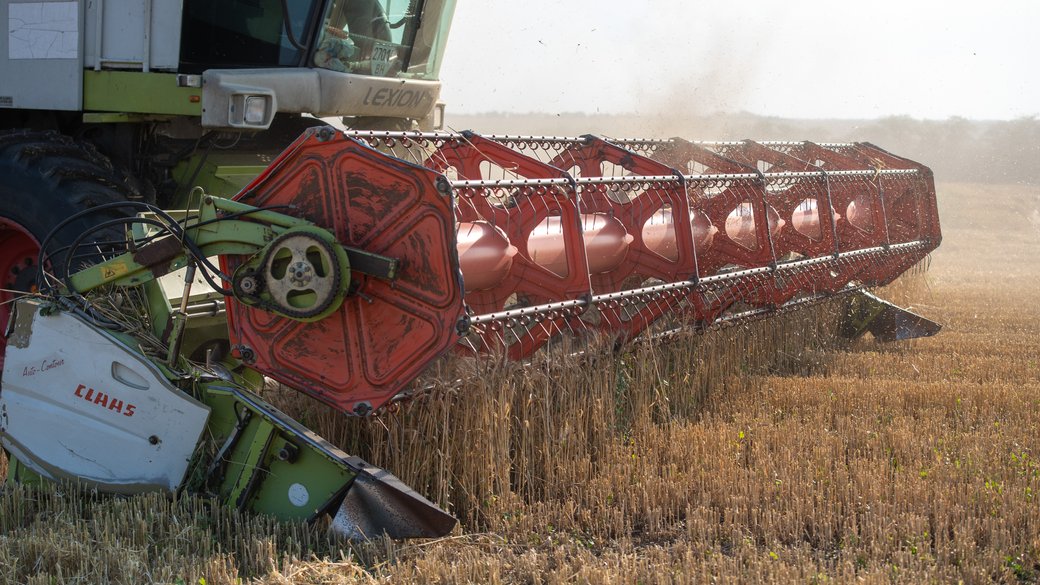
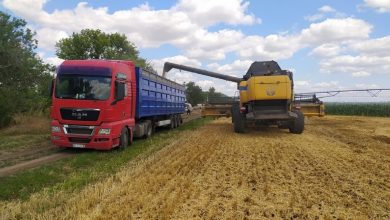
A significant harvest this year in Odesa Oblast did not bring farmers a profit. Despite difficult weather, shelling and field fires, farmers harvested most crops. However, the effective shutdown of the ports of Greater Odesa left farms unable to sell or store their grain, while purchase prices fell.
Mykhailo Lazarenko, head of the Progress peasant farm, said that in the north of the region, yields of cereal crops on his farm reached 7–8 tonnes per hectare in some places. In his assessment, it had been a long time since they had had such a good year. Most of the harvested wheat is of Class 2–3 quality.
At the start of the season, this wheat sold for around 12,000 hryvnias per tonne. Now, ports in Greater Odesa are paying about 6,500–6,900 hryvnias for it—almost half as much.
Lazarenko explained the economics of such a harvest: the first 5 tonnes per hectare cover costs, while only the sixth to eighth tonnes can generate a profit, if the farm manages to achieve that yield at all. Meanwhile, alternative logistics via the Danube are becoming more expensive. Farmers need funds for the next sowing season now.
Alla Stoianova, head of the Stoyanov A.A. farm, described this year’s harvest as one of the most difficult because of Russian attacks. At the same time, the region remains among the leaders in harvesting rates. Winter wheat yields varied by area:
- in the south — 3.5–4 tonnes per hectare;
- in the north — 5–6 tonnes per hectare.
Rain during the harvest prevented some crops from being gathered on time. Winter rapeseed and pea crops, as well as some sunflower fields, suffered losses. At the same time, more than 400 millimetres of precipitation fell in Odesa Oblast over the year, helping farmers harvest most crops.
Separately, the European Commission is proposing to significantly restrict Ukraine’s access to the EU agricultural market and farm subsidies, even after it becomes a member. These restrictions are set out in a draft reform of EU enlargement.
We previously reported:
- War hits bread: wheat prices reach a three-year high
- In Mykolaiv Oblast, Russian attacks on ports drive wheat and barley prices down to UAH 5,000–7,000 per tonne
- Sea exports under threat: shipowners suspend calls at Ukrainian ports
- Ukrainian wheat prices surge amid escalation around Iran
- The Black Sea corridor: how Ukraine is boosting exports