Russia refrained from attacking energy infrastructure for the first time since Trump’s statement, but struck transport facilities
The Kremlin has not confirmed adherence to the ceasefire; the reasons for the pause remain unknown

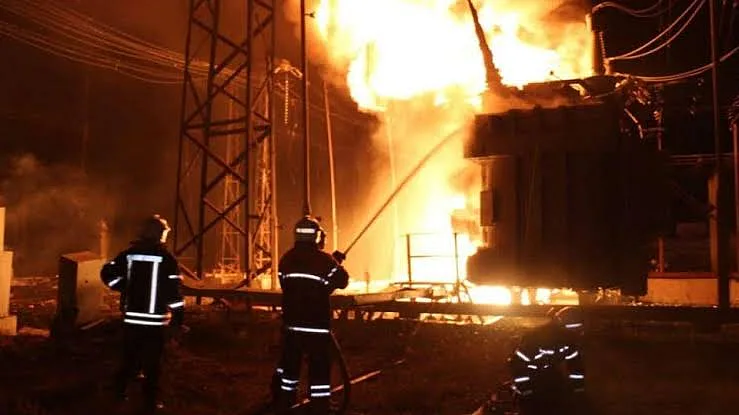
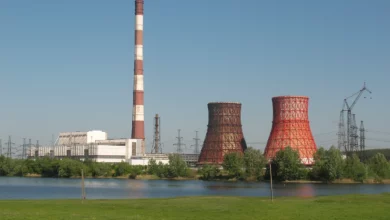
On Tuesday, October 13, Russian forces did not strike Ukraine’s energy facilities for the first time since U.S. President Donald Trump announced an energy ceasefire. However, attacks on other infrastructure continued: transport and logistics facilities came under fire overnight.
Russian forces used ballistic missiles and drones in the attacks. One missile landed just over a kilometer from a facility that supplies heat to a significant part of Lviv.
For the first time in recent days, the Russian Ministry of Defense’s daily report made no mention of strikes on Ukraine’s energy infrastructure. It remains unclear, however, whether the absence of such attacks overnight reflects a deliberate observance of the announced ceasefire or was due to other circumstances.
The Kremlin has not confirmed that it is observing the energy ceasefire. Asked about it by reporters, the Russian president’s spokesperson only said that contacts were ongoing, without providing details. There has also been no official confirmation that Russia has agreed to stop striking energy facilities.
Donald Trump announced an energy ceasefire on October 11. Before that, he said an agreement had been reached to lift U.S. sanctions on Russian diesel fuel exports.
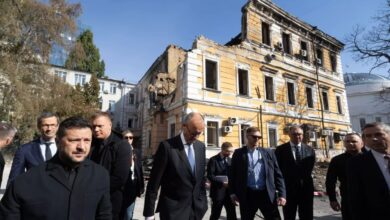
Ukrainian President Volodymyr Zelenskyy said that after Trump’s announcement, Ukraine refrained from striking Russian oil refineries for two days. Russia, by contrast, continued attacking Ukrainian energy and critical infrastructure, he said. On October 12 alone, Russian forces struck six energy facilities.
Ukraine had earlier expressed readiness to support an energy ceasefire, but accused Moscow of continuing its attacks. Speaking at a security conference in Warsaw, the Ukrainian president outlined a possible response:
“This winter, if Russia does not agree to an energy ceasefire, we will respond,” said Ukrainian President Volodymyr Zelenskyy.
The issue of halting attacks on energy facilities has become especially pressing amid rising fuel prices in the United States. Trump has repeatedly linked the increase in diesel prices to Ukrainian strikes on Russian oil refineries. Many analysts, however, believe the U.S. war against Iran had a more significant impact on prices.
Higher fuel prices have become one of the challenges facing the Republican Party ahead of the U.S. congressional midterm elections scheduled for November 3.
We previously reported:
- Putin is ready to stop strikes on Ukraine only on election day
- Russia struck a thermal power plant in Kharkiv after Trump’s statement on an energy ceasefire
- Trump called for the election of a new Ukrainian president who could make a deal
- Ukraine is ready for an energy ceasefire but is waiting for Russia to provide a list of facilities
- Russian Shaheds wrecked a transport depot in Mykolaiv