Artificial intelligence breaks through skin cancer's defenses: Moderna and Merck are preparing the first mRNA vaccine for 2027
For each tumor - its own "recipe": AI develops personalized cancer drugs


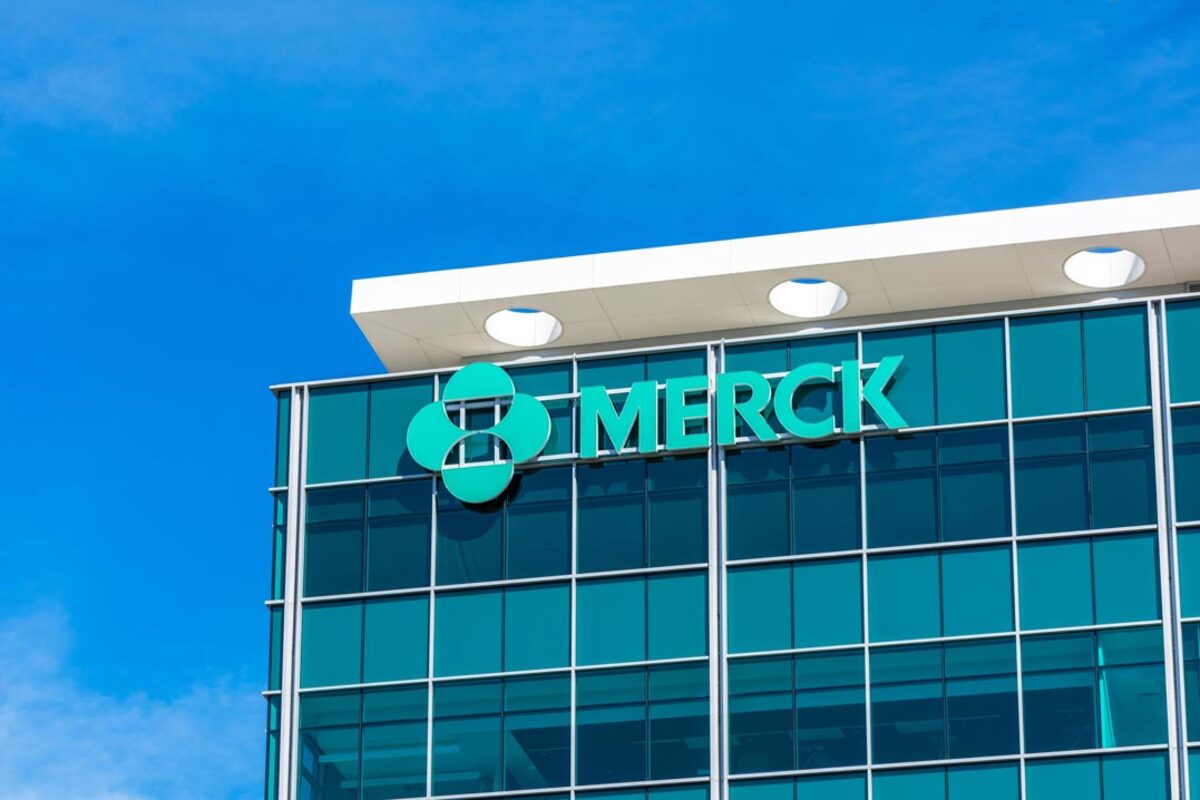
American pharmaceutical companies Moderna and Merck August 19, 2026 announced successful interim results from a large clinical trial of a new personalized therapy against melanoma – one of the most dangerous types of skin cancer.
The drug in question is intismeran autogene, which is also known as V940 and mRNA-4157. This is an mRNA therapy created individually for each patient based on the specific features of their tumor. The drug is being tested together with the well-known immunotherapy KEYTRUDA – pembrolizumab.
The combination showed better results than treatment with KEYTRUDA alone. This is the first case in which a personalized mRNA cancer therapy has successfully passed a pivotal phase 3 trial, the final one before a drug is brought to market.
The trial included 1137 patients who had previously had cutaneous melanoma completely removed at stages IIB, IIC, III or IV. After surgery these people still face a risk that the cancer will return or that metastases will develop. Patients were divided into two groups. One received the personalized mRNA therapy together with KEYTRUDA, the other – KEYTRUDA alone.
The main aim of the researchers was to check whether the new combination can protect a person from cancer recurrence for a longer time. According to preliminary data, it did show a statistically significant improvement. The treatment also better protected against the appearance of distant metastases – that is, when cancer cells spread to other organs.
The trial’s principal investigator, director of the Melanoma Institute Australia, Professor Georgina Long, called the results an important step in treating melanoma after surgery:
“Today’s results are a landmark moment for adjuvant treatment of melanoma. This is the first phase 3 trial to show that intismeran – a treatment developed based on the unique mutational “fingerprint” of a specific patient’s tumor – in combination with pembrolizumab can reduce the risk of recurrence or death in patients with completely resected stage IIB–IV melanoma compared with using KEYTRUDA alone”, – said the trial’s principal investigator.
How personalized mRNA therapy works
The main feature of the drug is that it is not the same for all patients. First, doctors take a sample of the removed tumor and the patient’s blood. Specialists then analyze the genetic features of the cancer cells and look for mutations that distinguish them from healthy cells. AI helps analyze a large number of mutations and select up to 34 of the most promising targets – the so‑called neoantigens. In simple terms, these are special characteristics of cancer cells that the immune system can be trained to recognize. In other words, a unique drug is created for each patient according to the features of their tumor.
According to Moderna, production of such an individualized therapy has been reduced to roughly six weeks from the moment tumor and blood samples are received.
Where the figure 49% came from
Information is already circulating on social media that the new mRNA therapy reduces the risk of cancer recurrence or death by 49%. That figure does exist, but it refers not to the current phase 3, but to the earlier phase 2b study. During five years of follow-up in that study, the combination of intismeran and KEYTRUDA reduced the risk of recurrence or death by 49% compared with treatment with KEYTRUDA alone.
The risk of developing distant metastases or death was lower by 59%. For the new phase 3 study the companies have not yet released specific percentages. They only reported that the results were statistically significant and clinically meaningful. Researchers are also continuing to follow patients to determine whether the new therapy increases overall survival.
No new safety issues with the drug were identified during the current trial. Side effects generally corresponded to those already observed in earlier studies.
Merck President Dean Li explained that the main goal of such treatment is not to wait for the cancer to return after surgery, but to try to eliminate residual cancer cells earlier:
“By intervening earlier in the course of disease, when many cancers are thought to be most treatable, adjuvant therapy after surgery aims to increase the possibility of curing a greater number of patients. These first phase 3 results for intismeran in combination with KEYTRUDA strengthen the promise of a more personalized approach to cancer treatment”, – said Merck’s president.
Moderna CEO Stéphane Bancel also called the results an important moment for the development of mRNA technologies in the fight against cancer.
“These phase 3 results are a turning point for cancer research. For many years the idea of creating mRNA treatments designed specifically for an individual patient’s cancer was only an aspiration. Now we are helping turn that vision into reality”, – said Moderna’s CEO.
Will the drug be available as early as 2027?
Moderna previously stated that, if trials are successful, a potential launch of intismeran could occur as early as 2027. After the positive phase 3 result, Moderna and Merck plan to submit the data to regulatory authorities and discuss the possibility of approval.
Earlier we wrote:
- In Mykolaiv region, the pancreatic tail and spleen were removed laparoscopically for the first time
- A Mykolaiv journalist is fighting breast cancer
- A Mykolaiv journalist is fighting cancer and asking for help
- One injection – and the tumor disappears: scientists have found an unexpected weapon against cancer
- In Mykolaiv, girls will be vaccinated against the virus that causes cancer