"Reserve+" and mobilization by specialty: what to expect for those liable for military service from June 1
This is about the gradual transition from mass notification to a more targeted approach


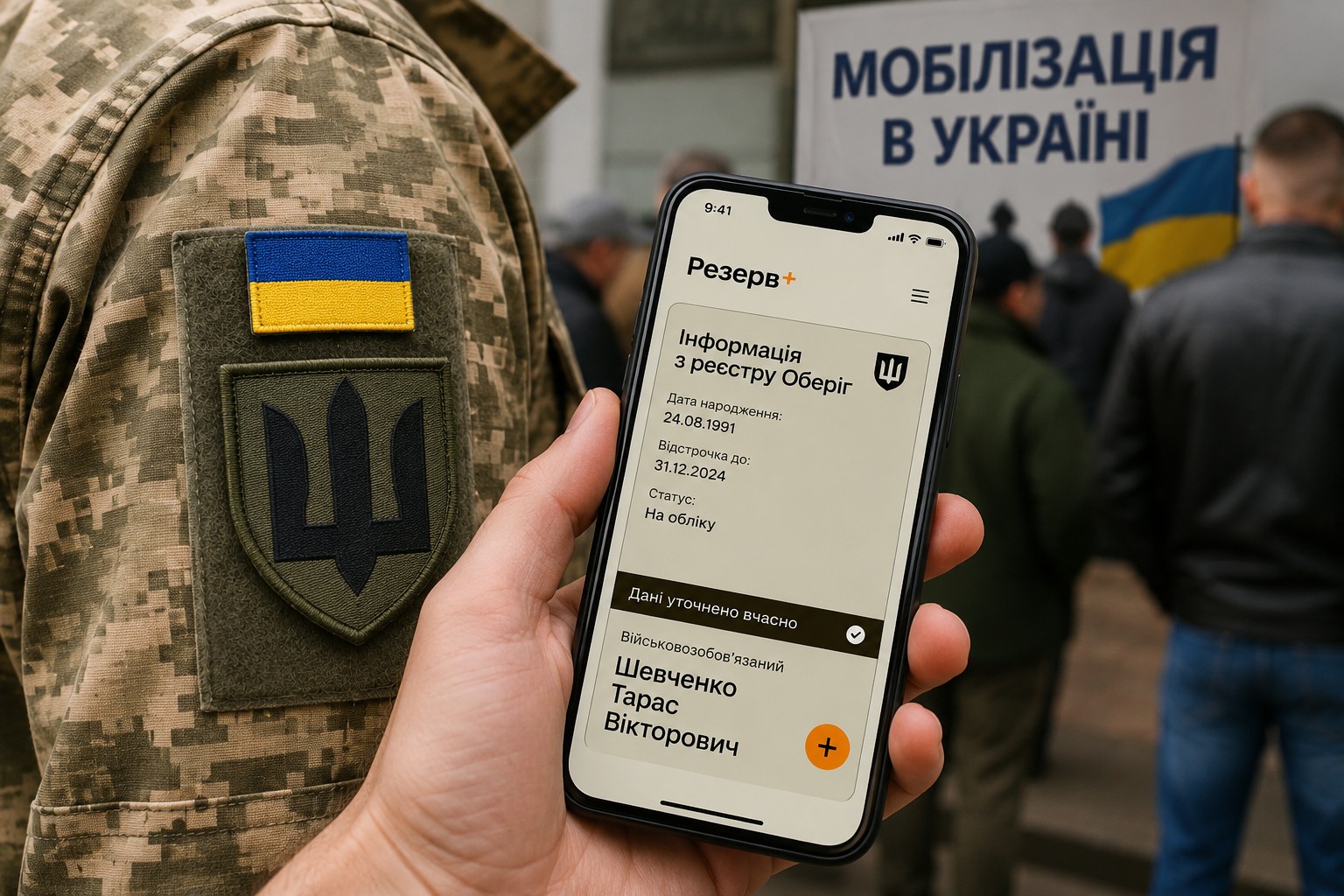
In Ukraine from June 1, 2026 a sharp revision of mobilization rules is not expected, despite numerous discussions on social networks and in the media. The general conditions remain the same: mobilization applies to men liable for military service aged 25 to 60 years old, who are registered with the military, deemed fit for service and do not have legal grounds for deferment or exemption. This is stated in the article TSN.ua.
The main change being discussed now concerns not the age or basic conscription rules, but digital services. In the Ministry of Defense of Ukraine they announced an update to the app “Reserve+”. New features are expected to be introduced in early June 2026, however the ministry has not fully disclosed the details yet. According to industry publications, this was reported during the DOU DAY 2026 conference by Deputy Minister of Defense Oksana Ferchuk and the head of the Main Directorate of Information Technologies Oleh Berestovyi.
This refers to a gradual shift from mass notifications to a more targeted approach. The Ministry of Defense wants to take more account of a conscript’s profession, education and practical skills. In other words, the state may more actively look for the specialists the military currently needs: medics, drivers, communications specialists, IT specialists and other professionals.
A separate mention is the possibility of targeted recruitment of IT specialists through “Reserve+”. According to the released information, in the future those liable for military service may receive push notifications in the app with specific vacancies by specialty. That is, it may be not just a summons to the TCC, but an offer of service that better matches a person’s professional experience.
At the same time, this does not mean that from June 1 a new mobilization procedure automatically comes into effect for everyone. So far it is officially about preparing new functions of “Reserve+” and changing the logic of force staffing. The basic mobilization rules remain in force: those liable for military service must monitor the accuracy of their data, check their military registration status, and, if there are grounds — arrange or confirm a deferment.
Practically, for those liable for military service this means one thing: from the start of the summer it is worth paying closer attention to the data in “Reserve+” and state registries. If the state truly moves to searching for people by specialty, then not only age and status become important, but also information about education, workplace, profession and skills.
A separate risk is that the digitalization of mobilization may reduce queues, but will not necessarily ease the tension between people and the system. Any error in the registries, untimely data updates or inconsistencies can create problems for an individual — from an incorrect status to fines or the need to prove their right to a deferment.
Earlier we wrote:
- With a rifle against the TCC: armed people stormed a hospital
- Send the reserved to the front, nullify all certificates: what may change in mobilization
- The SBU detained TCC employees in Odesa who were extorting money
- A father of five children, a deferment and more than 56 thousand to pay
- “Summons on the phone” without force, but with a fine: how it actually works