Nearly two weeks without ships in Odesa: blockade disrupts export of 30 million tonnes and threatens losses of up to $3 billion
Even at full utilization, the Danube, rail and road transport will provide only 50–55% of the ports' monthly throughput capacity and will add $45–50 to the cost of each ton


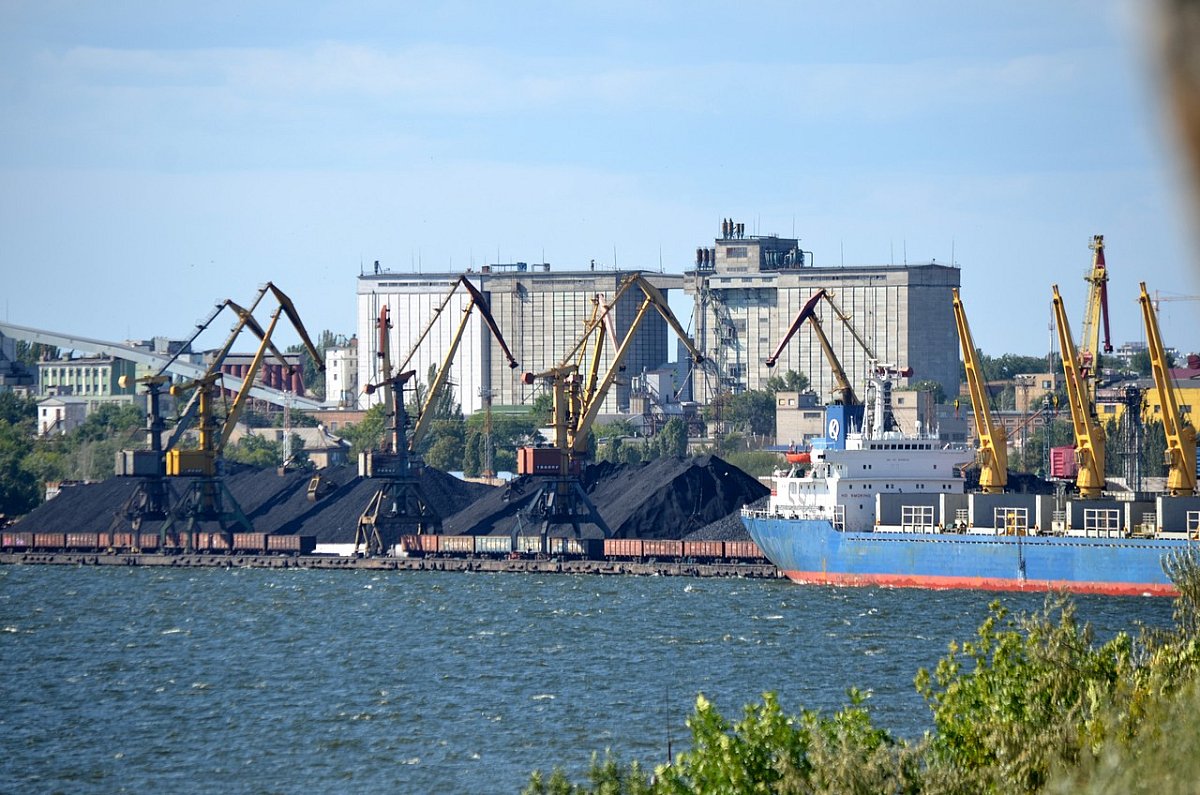
The blockade of Black Sea ports threatens the export of almost half of Ukraine’s grain and oilseed crops: Agriculture Minister Taras Vysotsky said this in an interview with Reuters, amid a sharp rise in attacks in July and a halt to ship calls to the ports of Greater Odesa.
“A substantial amount of produce – just over 30 million tonnes – will not be exported to international markets if the issue is not resolved,” Taras Vysotsky said.
According to the Ministry of Infrastructure, in July there were 35 attacks on vessels in ports, 22 on ships at sea, and 67 strikes on port facilities, whereas the whole of 2025 saw only 14 incidents, which led shipowners to suspend calls to the ports of Greater Odesa, and for almost 2 weeks no vessel has called there.
The start of the harvest season further complicates the situation: prices for grains and oilseeds have fallen on average by 30%, and the minister stressed that in some respects the current crisis is even more severe than in the spring of 2022.
As an alternative, the government and businesses are considering several routes, but each of them has significant limitations.
- The Danube route has been affected by drought; water levels are at a record low and will not provide the required volumes until October.
- Rail is currently the main option, but it will take more time for it to operate reliably.
- Road transport is being used as an additional channel to back up other routes.
Even at maximum capacity these alternatives would cover only 50–55% of the ports’ monthly throughput, i.e. about 6 million tonnes, and production costs would rise by $45–50 per tonne.
Vysotsky warned that if the blockade continues a sharp spike in global food prices is possible, and even after ship calls resume it will take at least 1 month to return to previous export rates.
Earlier we wrote:
- Maritime export at risk: shipowners have suspended calls to Ukraine’s ports
- The EU is considering extending the European gauge to Lviv, Kyiv and Odesa: a continuous route from Poland
- Nibulon demands: unblocking the ports of Mykolaiv and Kherson — a key condition for a future agreement
- “Grain corridor”: Ukraine sent 32 million tonnes abroad
- Poland prepared transit corridors for Ukrainian grain, Duda says