Military medical commissions, phones and "take me to the assault": a serviceman spoke about the work of the Territorial Recruitment Centers
Scandals involving the TCC have become a weapon of IPSO, but the system's problems remain


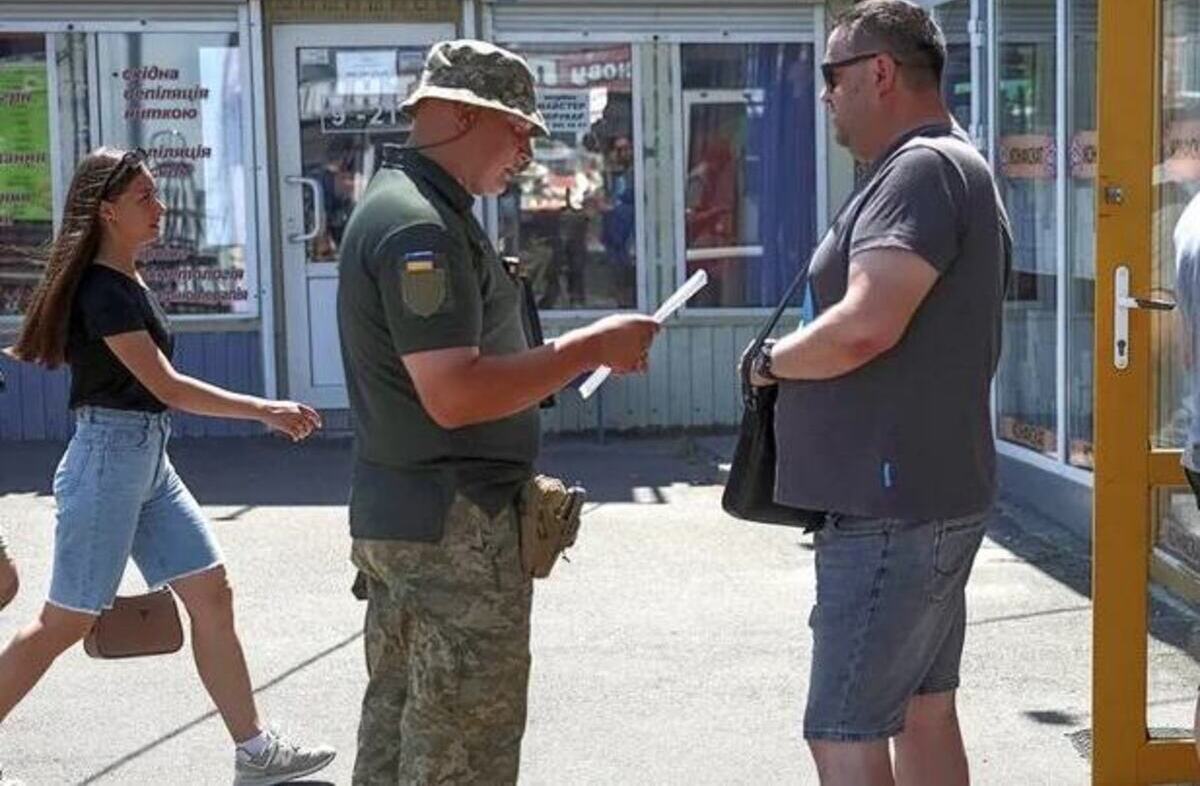
Russian information operations are increasingly shaping the image of the TCC in Ukrainian society as an internal enemy. Videos of conflicts, fights, or forceful detentions quickly spread on social networks and create the impression not of isolated violations but of alleged widespread brutality.
The outlet Texty.org.ua spoke with a former TCC serviceman, Oleksandr, who recently left the service for health reasons. He described how the territorial recruitment centers work from the inside, why people avoid summonses and why, in some cases, phones are confiscated.
According to Oleksandr, as soon as a new checkpoint is photographed and posted in Telegram channels, conscripts almost stop using that road. Such channels quickly report where patrols are stationed and effectively help people evade mobilization. TCCs monitor these resources, but completely blocking them is almost impossible. The interviewee says that 95% of the people stopped at checkpoints have work exemptions or deferrals for family reasons. Voluntarily, he says, only about 5-10% of conscripts now come to the TCC — mostly those who have already chosen a specific brigade or are looking for a place to serve.
Handing a summons on the street, according to the former serviceman, almost does not guarantee that the person will show up at the recruitment center:
“If a summons is handed out on the street, 99.9% will not show up.”
Most conscripts are brought to the TCC by the police, Oleksandr says. These can be people stopped during curfew, violators, persons without proper documents, or domestic abusers. The police check the person through “Oberih” — the state electronic registry of conscripts and reservists. If there are problems with military registration, the person may be brought to the TCC.
In Kyiv, according to acting deputy head of the Kyiv TCC Valeriy Kravchenko, the number of notification groups has increased by 40% in recent months. They may involve representatives of local authorities and condominiums, but the effectiveness of handing out summonses on the street, in the interviewee’s assessment for Texty.org.ua, remains low.
Oleksandr conditionally divides people who end up at the TCC into several categories. Some behave calmly and accept the situation as inevitable. Others try to simulate illnesses, most often complaining of high blood pressure or chest pain. Separately, there are those who try to run away or invent unusual ways to avoid mobilization.
A difficult category is people with alcohol or drug addiction, as well as those with mental disorders. Intoxication itself is not always an obstacle to mobilization. At the same time, chronic alcoholics are usually not taken, and drug addicts, the interlocutor says, are not sent straight to the front: there may first be adaptation, detox and training.
Police also sometimes bring people with disabilities. This can happen if the status was registered recently and the data has not yet been pulled into “Oberih”. If a person is entitled to a deferral but has not properly documented it, words alone without documents are not enough.
At the same time, people with disabilities, parents of many children, or relatives of fallen servicemen, Oleksandr says, are often allowed to provide documents later. They may be released under a summons so they can come in two or three days with confirmations.
One of the most acute topics is the confiscation of phones at TCCs. According to the serviceman, phones are not taken from everyone, but mostly from those who behave aggressively or inappropriately. There are several reasons: those detained can massively call the police or an ambulance, claim “illegal detention,” and relatives may come after a call to the TCC and try to “break” the mobilized person free.
At the same time, if a person behaves calmly, they may be allowed to make a call, and relatives may be allowed to hand over items or food. If a person is released home, the phone and personal belongings are returned. If they are sent to a training center, belongings are handed to a representative of the unit. In training centers, phones may be issued for calls, although rules vary.
Another reason for restricting phones is security. The interlocutor says the Russians know where some training centers are located. If many mobile calls start from one point at the same time, the enemy could determine the location and strike.
The Texty.org.ua piece shows a more complex picture than short videos on social networks. There are real conflicts, distrust of the TCC, and questions about the mobilization process. But at the same time, Russian propaganda uses every scandal to amplify fear, anger and a sense of chaos.
For Ukraine, which continues the war against Russian aggression, mobilization remains necessary but painful. That is why the state must not only fight evasion and enemy information-psychological operations (IPSO), but also demand legality, transparency and respect for people from the TCC system.
Reminder, we previously wrote:
- Helped evade mobilization: in Mykolaiv the SBU visited a Telegram channel administrator
- Didn’t show documents but saw a fight on the avenue: a new conflict with a TCC in Mykolaiv
- A TCC serviceman was cut: attackers may face life imprisonment
- Summonses on the phone, automatic checks: mobilization is becoming total
- Scammers demand money to avoid mobilization — Mykolaiv Regional TCC and SP