Farmers may run short of funds for sowing: Ukrainian agricultural producers have lost 60% of their reserves
Crop production could end 2026 with zero profitability

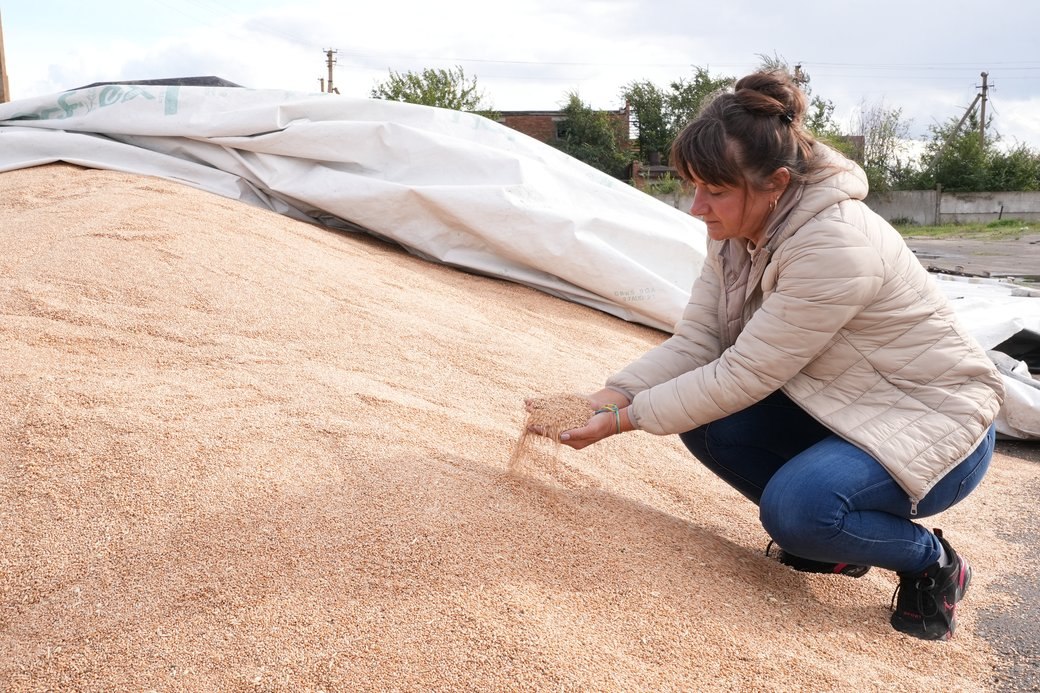
Preparation for the 2027 spring sowing campaign on Ukrainian farms may be at risk due to a lack of funds. In the first nine months of the year, farmers lost 60% of their financial reserves amid difficulties selling produce abroad.
Export restrictions, a lack of crop storage capacity and the effects of the war continue to put pressure on the agricultural sector. Disruptions to Black Sea port operations mean that Ukraine can export only about half of its potential agricultural output. In September, 2.4 million tonnes were shipped abroad — just 46% of the expected figure.
Farms in southern Ukraine are particularly hard hit by logistical difficulties. Farmers in Odesa region harvested a substantial crop despite working amid shelling, field fires and difficult weather. However, the effective shutdown of the ports of Greater Odesa has made it harder to find buyers and storage for grain. Purchase prices are also falling.
Since export restrictions were introduced in mid-July, farms’ available cash reserves have fallen substantially. The figures show the following change:
- At the start of the year, farmers had approximately $5 billion. This estimate is based on about $250 per hectare across 20 million hectares planted with grains and oilseeds.
- As of October 1, $2 billion remained, or an average of $100 per hectare.
“In effect, we are saying that crop production is expected to generate zero profitability by the end of 2026,” Agriculture and Food Minister Taras Vysotskyi told reporters.
The ability to carry out the next sowing campaign will depend on the financial condition of farms. Increased agricultural exports would give farmers more money for fertilisers and crop protection products, as well as the opportunity to use land available for sowing.
If export restrictions remain in place, production costs will have to be cut. This could weaken businesses’ financial resilience and limit their ability to carry out spring fieldwork.
Agriculture in Mykolaiv region is also affected by the war and limited access to water. In 2025, 20,600 hectares in the region were irrigated — approximately one-third less than before Russia’s full-scale invasion.
The sugar industry is also forecast to decline due to the worsening quality of sugar beet. Expectations for the 2026/2027 season are as follows:
- Ukrainian factories may produce only 1.1–1.2 million tonnes of sugar, compared with approximately 1.8 million tonnes in previous years.
- Sugar exports could fall to 200,000–300,000 tonnes.
We previously reported:
- A big harvest, but no profit: wheat prices in Odesa region have nearly halved
- Agricultural exports rose by nearly half in the first 20 days of September despite port restrictions
- The UN and international donors will provide Ukraine with up to 10,000 grain storage bags
- Wheat and barley prices in Mykolaiv region fall to UAH 5,000–7,000 per tonne amid Russian attacks on ports
- Maritime exports at risk: shipowners suspend calls at Ukrainian ports