Diesel Before Negotiations: US Bets on a Deal, Kyiv Skeptical
Witkoff and Kushner explained the plan to the Ukrainian delegation in Miami


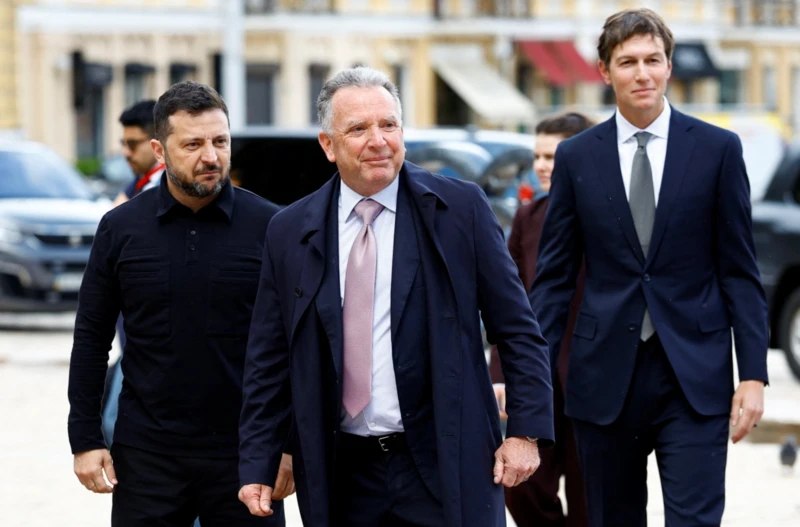
Permission to export Russian diesel fuel could become a way to bring Russia back to negotiations on ending the war. That is how U.S. President Donald Trump’s special envoys — Steve Witkoff and Jared Kushner — explained the American approach to the Ukrainian delegation at a meeting on October 9 in Miami. Ukrainian officials were skeptical of the idea.
Reuters was told about the conversation by three sources familiar with the negotiations. According to one of them, the U.S. side hopes to soften Moscow’s position: a diesel deal would demonstrate Trump’s willingness to work with Russia.
“The idea was that the U.S. could approach Russia and say: ‘See, the Ukrainians have stopped the strikes, and we’ve offered you this deal. Now it’s your turn to do something,’” a source told Reuters.
Ukrainian officials, Reuters reports, see this approach as an attempt to bring Russia to the negotiating table through business deals. Meanwhile, sources familiar with the Russian side’s views described a different position held by Vladimir Putin: he does not plan to return to peace talks until Russian troops capture the rest of Donbas.
At the meeting, Kushner and Witkoff also recalled the support the U.S. has provided to Ukraine, including military aid and intelligence support for the Armed Forces of Ukraine. However, according to two agency sources and one meeting participant, U.S. representatives did not threaten to cut off this assistance if Kyiv refused to stop strikes on Russian oil refineries.
The diesel deal itself was announced on October 9. At the time, U.S. President Donald Trump said he had reached an agreement with Russian President Vladimir Putin to supply Russian diesel fuel to the U.S. and global markets. According to him, the initial shipment was to exceed 300,000 tonnes, with further deliveries planned afterward. The U.S. administration also temporarily eased sanctions restrictions on Russian fuel.
Trump said the decision was intended to lower fuel prices. Prices had risen because of disruptions to energy supplies, including amid the conflict involving Iran and difficulties shipping oil through the Strait of Hormuz. However, analysts doubt that the announced volumes of Russian diesel could significantly affect global prices.
Ukrainian President Volodymyr Zelenskyy criticized the authorization to sell Russian petroleum products, emphasizing that it would help Russia finance its war against Ukraine. He also recently said that the U.S. could negotiate diesel fuel supplies with Ukraine, rather than Russia.
Seven U.S. senators from both the Republican and Democratic Parties also opposed the import authorization. They urged the Donald Trump administration to revoke permission to import Russian diesel fuel into the U.S..
We previously reported:
- Shortages even in Moscow: Sikorski doubts Russia can export fuel
- Trump urged Ukraine to elect a new president who could reach a deal
- Trump again said there was an energy truce between Ukraine and Russia
- Trump ready to bargain with the Kremlin: release of political prisoners could be exchanged for sanctions relief
- Trump urged Zelenskyy not to strike diesel fuel producers in Russia