Trump is willing to bargain with the Kremlin: the release of political prisoners could be exchanged for sanctions relief
Political prisoners in exchange for sanctions: the Trump team's new plan regarding Russia

U.S. President Donald Trump has agreed to consider a scheme under which the release of political prisoners by Russia could become grounds for easing American sanctions against Russia. This is reported in a piece by the American outlet The Atlantic, published on September 29, 2026.
According to the outlet, the idea was proposed several months ago by Trump administration special envoy John Cole. The scheme foresees that the Kremlin would release some political prisoners, and the U.S. would in response ease economic restrictions on Russia.
At the same time, The Atlantic stresses that the plan is only at an early stage. According to Cole himself, he presented the idea to Trump, and the president agreed to allow an attempt at such an approach.
The author of the piece notes that potentially such a scheme could open the way to broader economic contacts between the U.S. and Russia even before the end of the war against Ukraine. Possible areas mentioned include Russian oil, diesel fuel, rare earth minerals and other raw materials.
Cole has been testing a similar model in Belarus for more than a year. According to The Atlantic, as a result of negotiations involving American representatives, about 500 political prisoners were released from Belarusian prisons. At the same time, the U.S. eased some sanctions against the regime of Alexander Lukashenko and began promoting economic deals around Belarusian potash. The most recent example of this approach was recorded in September. On September 16, 2026 Belarus released 25 prisoners, after which the U.S. announced further easing of sanctions on two Belarusian state companies.
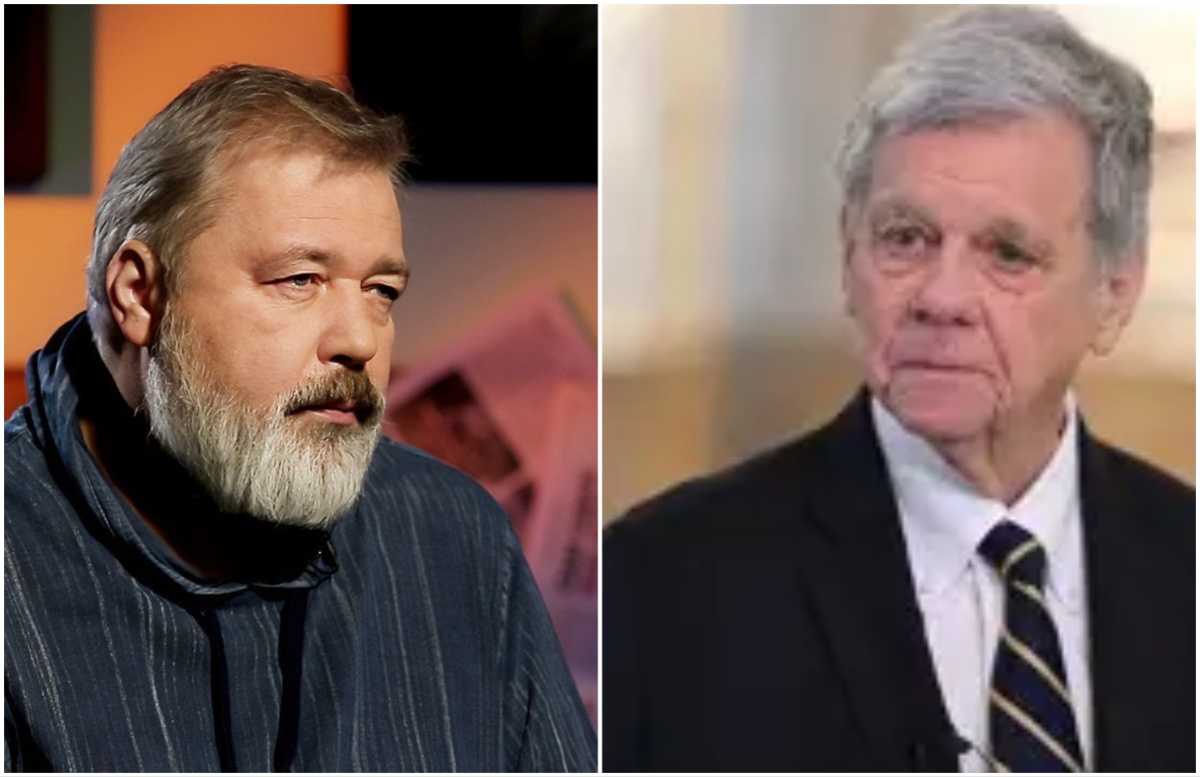
According to The Atlantic, the idea to apply a similar practice to Russia was suggested to Cole by Russian dissident and Nobel Peace Prize laureate Dmitry Muratov. In the spring they met in Washington, where Muratov told the American official about the practice during the time of Ronald Reagan and Mikhail Gorbachev, when the release of Soviet dissidents was part of diplomatic negotiations between the U.S. and the USSR.
Muratov also gave Cole photographs of Russian activists, journalists and other people imprisoned for speaking out against the war. According to Cole, he has already compiled a list of Americans who are in Russian prisons, and a separate list of Russian dissidents is planned to be compiled with Muratov’s help.
At the same time, the proposed approach raises concerns in Ukraine and among some European diplomats. As The Atlantic writes, the Ukrainian side views the possibility of resuming large-scale trade with Russia as a potential source of additional funds for the Russian economy and military operations.
President Volodymyr Zelensky told the outlet that he would try to “block” the lifting of sanctions against Russia until the end of the war. During his speech at the UN General Assembly he also called for strengthening sanctions pressure, emphasizing that if Russia receives more money through trade, in his view, it gives the war more time.
Ukrainian negotiators quoted by the outlet also do not consider the so‑called economic “prosperity deals” to be security guarantees for Ukraine. On the contrary, they fear that expanded trade could strengthen Russia’s military capabilities.
At the same time, Trump’s team continues to look for options for a partial ceasefire. According to The Atlantic, American, Russian and Ukrainian representatives may already meet next month to discuss a limited halt to strikes on energy infrastructure. Possible conditions include a mutual pledge to refrain from attacks on power plants, refineries and other energy facilities. Separately, the possibility of agreements on the security of cargo ships in the Black Sea is being discussed.
Thus, the scheme proposed by Cole could become a new channel for U.S. negotiations with Moscow, where the release of political prisoners is seen as a possible step in exchange for easing sanctions and restoring economic contacts. At the same time, no such agreement with Russia has been concluded so far.
Earlier we wrote:
- Zelensky convinced Washington that Kyiv can win the war
- The U.S. spoke about new talks between Ukraine and Russia: a meeting may be announced soon
- No strikes on energy: Trump announced an agreement, Zelensky awaits guarantees
- Putin is not compromising: The Kremlin demands four regions and Ukraine’s renunciation of NATO
- Trump accused Zelensky of unwillingness to make peace