Not a locust swarm: Odesa overrun by large predatory grasshoppers
The townspeople at first mistook the insects for locusts


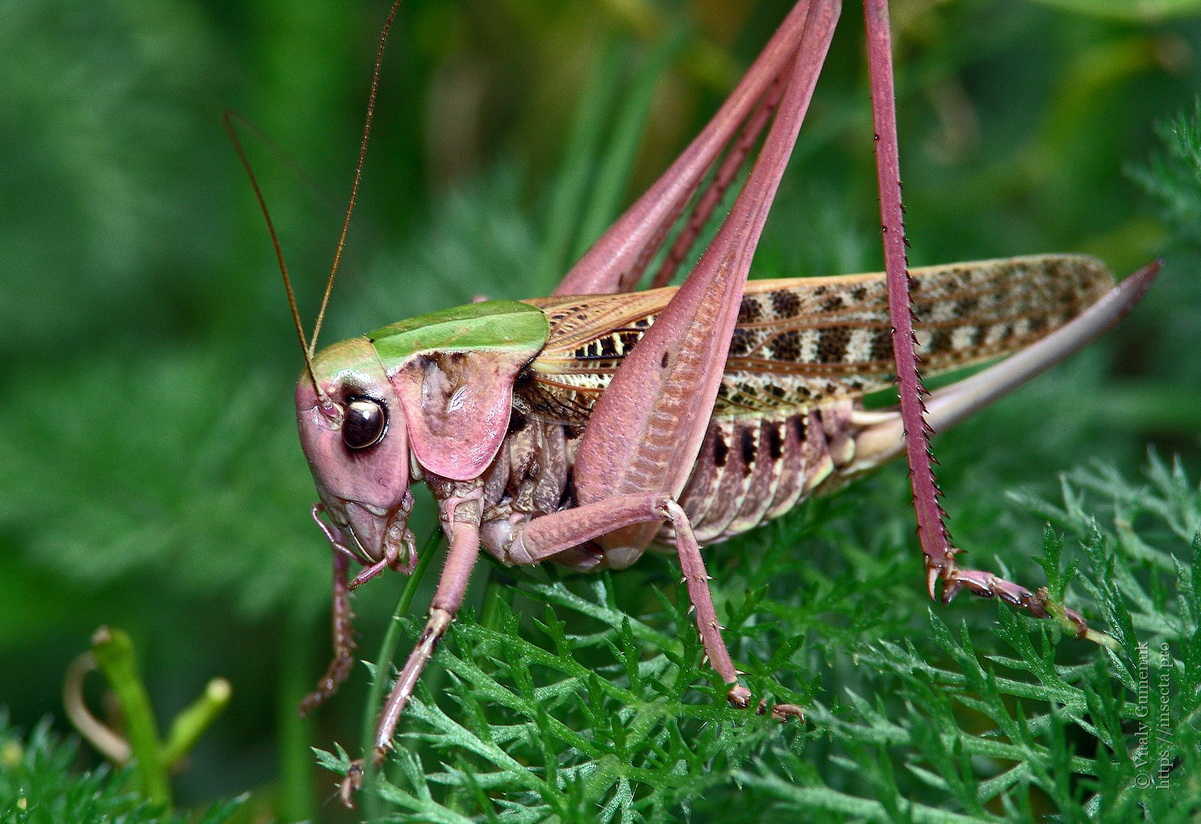
Residents of Odesa are widely reporting on social networks the appearance of large insects that many initially took for dangerous locusts. However, experts reassure: the city has been overrun by gray grasshoppers, which do not pose a threat to people and even help destroy plant pests.
Local media report this.
Large numbers of insects were noticed on streets, sidewalks, park alleys and near illuminated buildings. Residents saw especially many grasshoppers in Shevchenko Park.
Ornithologist Serhii Kurochkin explained that these are the long-winged form of the gray grasshopper. These insects are predators — they feed on small insects, caterpillars and aphids, destroying plant pests. The grasshoppers themselves, in turn, become food for birds.
According to the specialist, the sharp increase in their numbers may be linked to a mild winter as well as a warm and wet spring, which created favorable conditions for reproduction.
At high population density, some insects develop a long-winged, or macropterous, form. Such grasshoppers have well-developed wings and can fly long distances in search of new habitats.
During nocturnal flights, the insects navigate by natural light sources — the Moon and the stars. However, Odesa’s bright artificial lighting may have disoriented the grasshoppers, causing them to flock en masse to the city’s lit areas.
Experts emphasize that the gray grasshopper does not attack people. If you pick up an insect, it may try to defend itself and give a slight nip with its jaws. Such a bite is not poisonous and does not pose a danger to health.
Earlier we wrote:
- Locust invasion in the south: Kherson and Odesa regions are already suffering, Mykolaiv is next
- Drought in Mykolaiv region: where are the locusts flying, and what if there is no harvest?
- Up to 100% crop losses: Mykolaiv region is being attacked by the South American moth
- Not only Russian drones: ixodid ticks are actively climbing onto Mykolaiv residents
- Dangerous karakurt in Mykolaiv region: the spider hasn’t disappeared, it’s just waiting for the right moment