Sienkevych in Taiwan announced his intention to create a digital twin of Mykolaiv
The city's digital model should help plan reconstruction, infrastructure projects, and long-term development


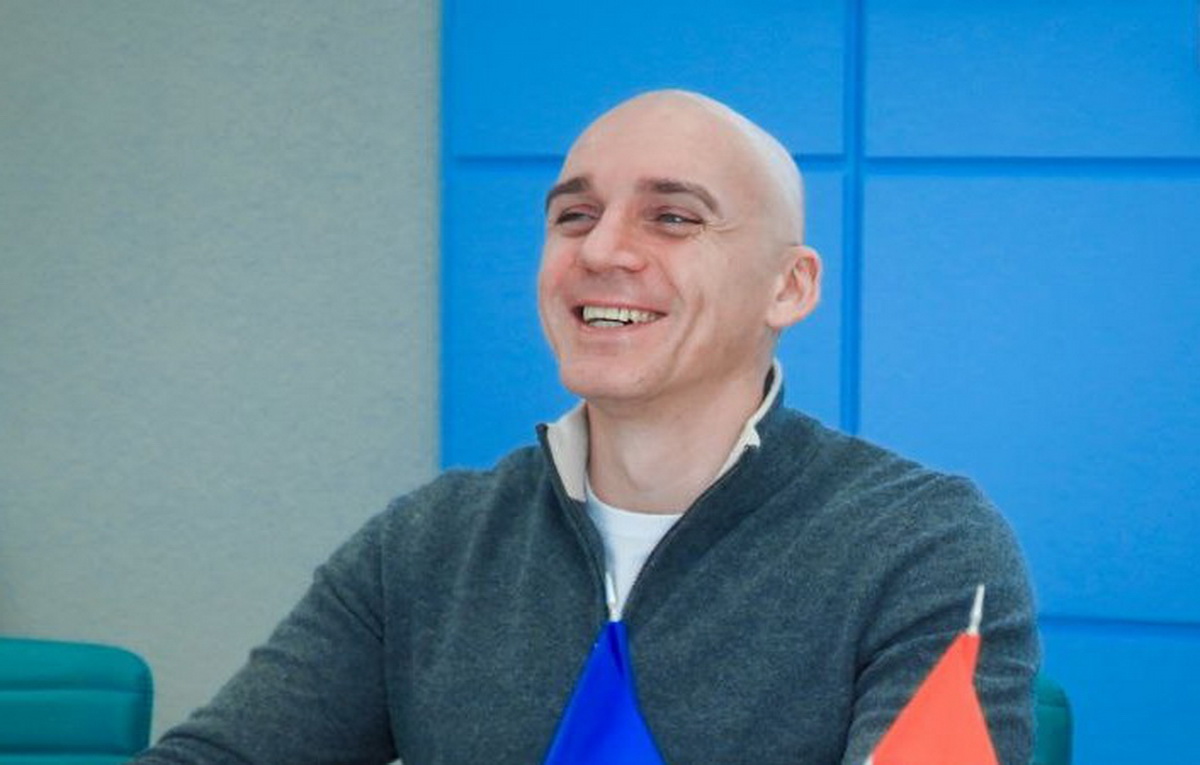
18 March at the Smart City Summit and Expo in Taipei the mayor of Mykolaiv, Oleksandr Senkevych, announced plans to create a “digital twin” of Mykolaiv for quality planning of the city’s recovery and further development; this was reported in a segment by Taiwanese broadcaster TVBS.
A TVBS segment from 18 March reports that at this year’s forum most delegations focused on sustainable development and digital services, while Ukrainian officials presented an approach shaped by the conditions of war but aimed at designing the future.
Explaining the context of Ukraine’s challenges, the mayor emphasized that in conditions of full-scale war the priorities remain security and survival, while at the same time authorities must think ahead about the city’s post-war transformation:
“Right now in Ukraine there are problems more serious than the carbon footprint (greenhouse gas emissions – ed.) because of the war. We are thinking about how to survive, how to build shelters, but at the same time we are also thinking about the future”.
According to Oleksandr Senkevych, the preparation of a “digital twin” of Mykolaiv will take place in cooperation with the United Nations Economic Commission for Europe and the Italian company One Works. Such a model will allow testing scenarios for the development of infrastructure, reconstruction and the provision of urban services in a safe virtual environment.
Earlier we wrote:
- In Mykolaiv “Build Back Better” turned into confusion: where you can build from scratch and where you cannot?
- The water utility needs a superhero: searching for a CEO who will tame the pipes and leaks
- From ships to the blue economy: at the International Conference in Kyiv they will seek a new course for Mykolaiv
- Denmark will provide another aid package for the reconstruction of Mykolaiv worth over $21 million
- In the Mykolaiv region, 15,000 facilities were damaged due to the war — 30% of them have been rebuilt