Ballistic interceptor for €1 million instead of the ultra-expensive Patriot missiles: how ready is FREYJA?
Until mid-2027, Ukraine remains dependent on the Patriot


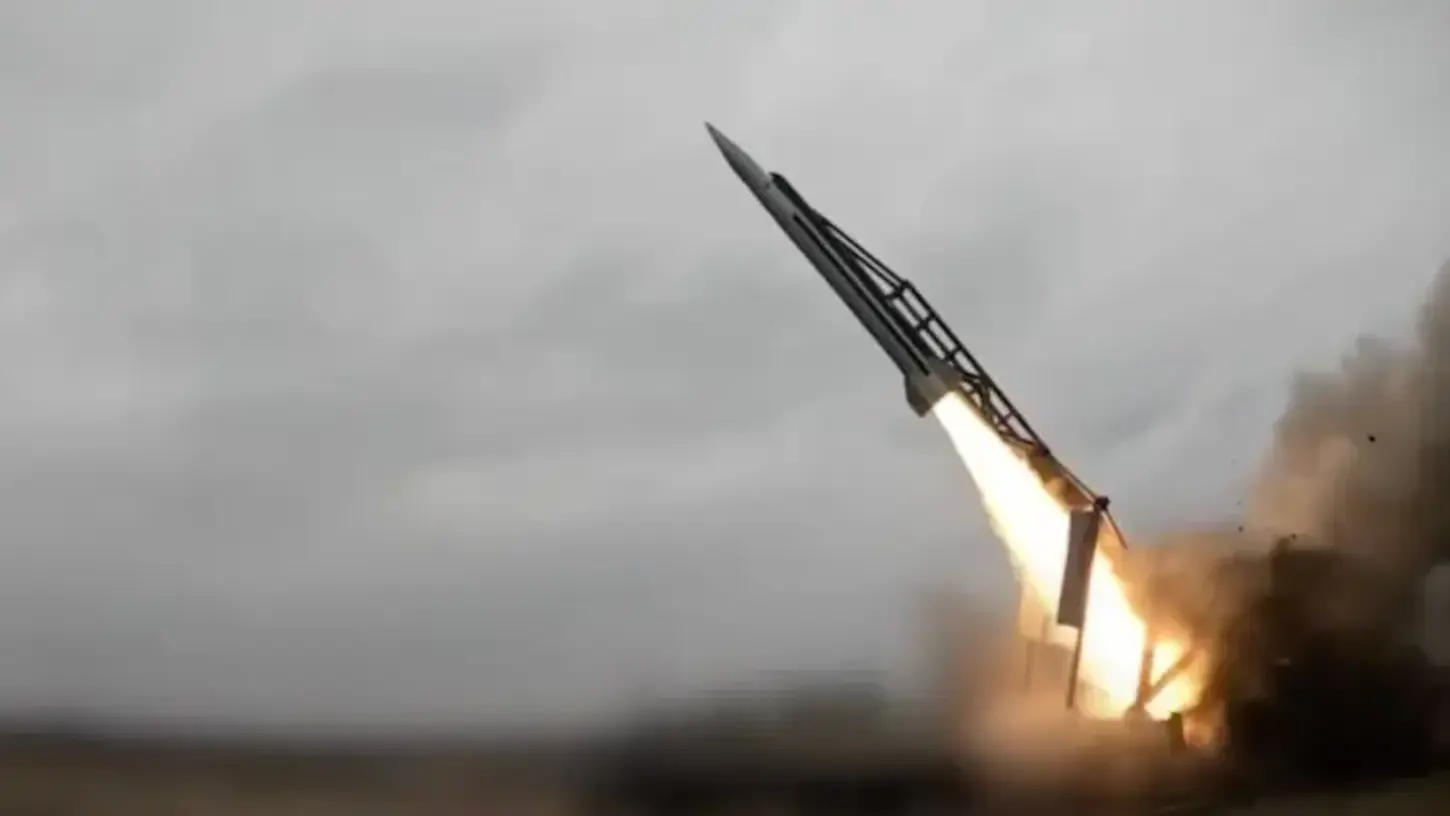
Ukrainian defense company Fire Point plans to successfully intercept a ballistic missile for the first time using the future anti-missile defense system FREYJA by mid-2027. Currently, developers are integrating the Ukrainian interceptor missile with radars, guidance systems and the command center of European partners. On August 4, 2026 the company’s CEO Iryna Terek told Reuters.
The pan‑European project has already brought together 13 industrial partners. According to Iryna Terek, almost all key agreements have been reached, and the number of involved companies could rise to about 20. This should not only accelerate development but also increase future production capacity. The system will be based on the Ukrainian interceptor missile FP7.X — a faster modification of the ballistic missile FP7. It is to be integrated with guidance systems, surveillance and tracking radar stations, a command center and data exchange systems.
“We are now at the most intensive and at the same time the most complex stage of final assembly of all components together with surveillance radar stations, tracking radar stations and seeker heads,” — explained Iryna Terek.
Norwegian company Kongsberg is working on the command center that should connect all elements of the complex. Kongsberg itself did not respond promptly to Reuters’ request. German Diehl Defence, which produces seeker heads for the IRIS-T air-defence system, confirmed talks with Fire Point but did not disclose details. Therefore the final configuration of the guidance system has not yet been officially announced.
Developers plan that a single FREYJA launcher will carry between 4 and 6 missiles. The company will consider the project minimally operational if at least one ballistic target is confirmed intercepted. Until that point, research and development are to be funded by the companies participating in the international cooperation.
According to Iryna Terek, the interceptor has already undergone at least 5 tests. At the same time, the first successful intercept planned for mid-2027 will not mean the immediate deployment of serial systems on combat duty. After demonstrating functionality, the system will need further testing, certification and preparation for mass production.
Fire Point expects to keep the cost of a single interceptor within up to €1 million. The company estimates this is roughly from one quarter to one sixth of the cost of a missile for the American Patriot system. At the same time, the stated price is currently a target, since a fully finished serial system does not yet exist. The final cost will depend on test results, the chosen radars, seeker heads, order quantities and production cooperation.
The FREYJA architecture is planned to be open. This will allow replacing individual components from different manufacturers without the need to redesign the entire complex. For example, the system will be able to use a radar from one European manufacturer and, if necessary, switch to equipment from another company.
The pan‑European anti‑ballistic program was officially launched in Paris on July 13, 2026. The coalition includes 10 states, among them Ukraine, Denmark, France, Germany, Italy, the Netherlands, Norway, Spain, Sweden and the United Kingdom. Involved defense companies named include Eurosam, Leonardo, Thales and Saab.
President of Ukraine Volodymyr Zelensky called the creation of a European anti‑ballistic system one of the priorities. According to him, existing complexes and their missiles in the world are insufficient, and the need for protection against ballistic strikes exceeds the production capacities of Patriot, SAMP/T, IRIS-T and other systems.
For Ukraine the project is critically important due to regular Russian strikes with Iskander‑M, Kinzhal and other ballistic weapons. Currently one of the main means of intercepting them remains the American Patriot system, but global stocks of missiles are limited and production does not meet the scale of Ukraine’s and its allies’ needs.
Thus, FREYJA is not yet a ready replacement for Patriot and is at the stage of complex international integration. The first successful intercept is planned by mid-2027, but the actual timing for the appearance of serial complexes will depend on test results and partners’ ability to quickly finance and ramp up production.
Previously we wrote:
- 22 victories and three shortcomings: Fedorov reported and left the Ministry of Defense
- New PAC‑3 already on the way: Ukraine agreed with the US on a package for Patriot
- Air defense neutralized 132 enemy targets: in Kyiv the missile warhead fell near a building
- Ukraine and Germany signed an agreement on missile defense to intercept Russian ballistic missiles
- Almost two days of terror: Russia launched 1,567 drones and 56 missiles at Ukraine