The war is destroying the Black Sea dolphins: recovery could take 30–50 years
An ecologist estimates cetacean losses at approximately a quarter of the population

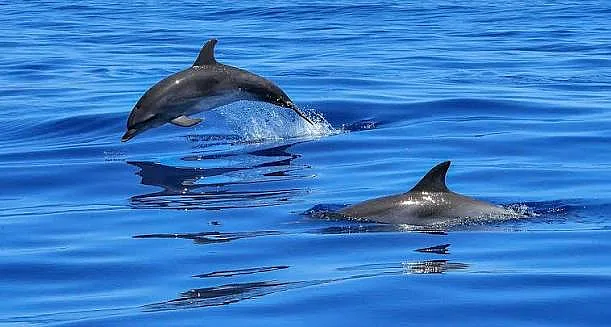
By 2026, the number of dolphins that may have died in the Black Sea since the start of the full-scale war had exceeded 120,000. This estimate was given in an interview with Al Jazeera by ecologist Ivan Rusev, chief research scientist at the Tuzly Lagoons National Nature Park. According to his calculations, that is about a quarter of the sea’s entire cetacean population. These are a researcher’s estimates, not a confirmed exact count of the animals that have died.
The scientist links the sharp rise in marine mammal deaths to Russia’s full-scale invasion of Ukraine, which is causing serious damage to the marine ecosystem. In 2022 alone, an estimated 50,000 dolphins may have died.
Before the invasion, fishing nets were among the main dangers to these animals: dolphins became entangled and suffocated. Poachers also cut off their fins and threw the carcasses back into the sea. Since 2022, fishing and poaching along the coast have become less common. However, according to the ecologist, the fighting has caused far more deaths among bottlenose dolphins, common dolphins, and porpoises.
Many of the dead animals found show no typical signs of net entanglement; instead, they appear to have been weakened by starvation. The scientist cites the following possible causes:
- the effects of explosions;
- cruise missile launches from ships;
- the use of military sonar.
As the researcher explains, noise and acoustic pulses disrupt echolocation—the ability dolphins use to navigate underwater, communicate, and find food.
“If a dolphin can’t catch fish, it loses weight quickly,” explained Ivan Rusev.
According to the ecologist, food shortages then set off a dangerous chain reaction. The body begins to use up its fat reserves, where microplastics, antibiotics, and other pollutants can accumulate. These substances enter the sea through wastewater and runoff from agricultural land, further weakening the animal. The immune system becomes less able to fight infections, including morbillivirus, which causes severe respiratory disease.
Another source of danger is sunken military vessels. According to figures cited in the article, since the start of the full-scale war, Ukrainian naval and aerial drones have sunk two Russian submarines and around 30 military ships, including the cruiser Moskva. They were carrying fuel and other potentially hazardous substances.
If these substances enter the water, they can pollute the sea. Petroleum products coat algae and harm mollusks and fish, including sturgeon.
The destruction of the Kakhovka Hydroelectric Power Plant in 2023 also dealt a massive blow to the environment. A significant portion of the reservoir’s water—around 18 cubic kilometers—was released. Fertilizers, heavy metals, machine oil, and other pollutants entered the environment along with the water.
More dead dolphins are also being found in Bulgaria, Romania, and Turkey. However, it is not always possible to determine the exact cause of death: many animals’ bodies wash ashore after they have already decomposed significantly.
Dimitar Popov of Green Balkans, Bulgaria’s oldest environmental organization, agrees that military sonar can harm cetaceans by disrupting their hearing and echolocation. Russian ecologists, meanwhile, attribute marine mammal deaths to parasites and viral infections.
Birds migrating between Northern Europe and the Middle East are also affected by the war. Explosions and drones scare them, while severe exhaustion can prevent them from reaching their wintering or nesting grounds. According to Ivan Rusev, flamingos, which have recently begun breeding in the Tuzly Lagoons, sometimes abandon their nests. The abandoned eggs become prey for gulls.
At the same time, the researcher sees some positive changes on land. With hunting on the decline, the region has seen an increase in:
- wild boar;
- roe deer;
- foxes;
- jackals;
- hares;
- badgers.
The ecologist believes that insects and small mammals may need just a few years to restore their populations after the fighting ends. The outlook for marine mammals is much more complicated.
“According to our estimates, it will take 30 to 50 years for the cetacean population to recover and for the marine ecosystem to become more or less healthy,” concluded Ivan Rusev.
We previously reported:
- A live common dolphin found in Rybakivka for the first time in a long while — the exhausted animal died soon after
- 56 dead dolphins found in one month: what the war is doing to the Black Sea
- Six dolphins found dead in a week in Odesa region: ecologists link the deaths to explosions in the Black Sea
- Mines, furniture, and even parts of houses are floating in the sea near Odesa (video)
- At least three thousand dolphins have died in the Black Sea due to the actions of the Russian army