The EU Instead of NATO: What Possible Peace Terms Are the US Discussing?
Among the options are a demilitarized zone and economic concessions to Russia


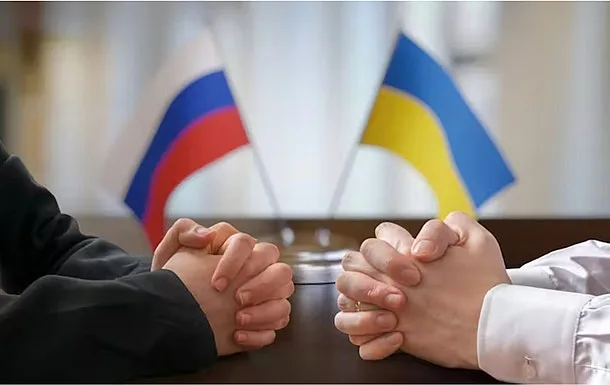
The United States is seeking to accelerate a return to negotiations on ending the war in Ukraine. At the same time, relations between Washington and Kyiv remain strained, and possible components of a peace deal under discussion include both security issues and the parties’ economic interests.
The following possible terms are being considered for Ukraine:
- the prospect of joining the EU in exchange for giving up NATO membership;
- the creation of a demilitarized zone in the Donbas;
- investment in Ukraine’s economy.
A potential deal could also include economic concessions to Russia. Options under discussion include:
- agreements between Russian and American companies;
- easing sanctions;
- normalizing political relations with Moscow;
- resuming Russian gas supplies to Europe;
- bringing the Nord Stream pipeline back into operation.
A Ukrainian official who spoke with journalists expressed concern that the economic interests of some participants in the negotiations could outweigh the pursuit of lasting peace. According to the official, the Ukrainian side fears that representatives of U.S. President Donald Trump will try to agree on lucrative business projects with Russia before acceptable terms for ending the war and security guarantees have been agreed upon with Kyiv.
“From their point of view, why wait and waste time? Time is money,” the Ukrainian official said.
A U.S. government source, however, believes that Trump’s recent moves are not intended to force Ukraine to capitulate. In the source’s view, the U.S. president may have fallen victim to a successful Russian information operation.
U.S. special envoys Steve Witkoff and Jared Kushner may be misjudging Russian President Vladimir Putin’s motives by focusing primarily on his economic and territorial interests rather than his nationalist aims. This approach could leave American negotiators vulnerable to manipulation by Moscow.
A separate issue is the restriction of Starlink satellite service for Ukraine. This may have been intended as a diplomatic signal to Kyiv, but the practical consequences affected the situation on the battlefield. Developments have benefited Moscow, alongside other decisions by Washington: reaching an agreement with Russia on diesel fuel supplies and postponing new sanctions tied to Senator Lindsey Graham’s bill.
Domestic political changes in the U.S. will not necessarily make things easier for Ukraine. One U.S. congressman believes that even if Republicans lose control of Congress in the midterm elections, that would not guarantee any easing of Trump’s pressure on Kyiv. If Democrats launch an investigation into the president, he may instead take a tougher stance, making the situation more difficult for Ukraine.
Meanwhile, Russia continues to attack Ukraine’s energy infrastructure ahead of winter and shows no readiness for a swift peace. Moscow may prolong negotiations in the hope of securing further concessions, potentially including the lifting of sanctions.
We previously wrote:
- Three options for postwar guarantees: Ukraine considers NATO, the U.S., and a coalition of the willing
- Peace at the price of Donbas? The U.S. is preparing a new plan to end the war with security guarantees and economic agreements
- Diesel as a bargaining chip: the U.S. is betting on a deal, while Kyiv is skeptical
- Russian diesel to enter the U.S. market: Trump and Putin agree on supplies
- Is the U.S. preparing Ukraine’s capitulation? Occupied territories may be handed over to Moscow, with no mention of NATO