Those who were granted a reservation can still be mobilized: illegal conscription does not guarantee release from service
In the Rada, they propose closing the loophole with a single new rule


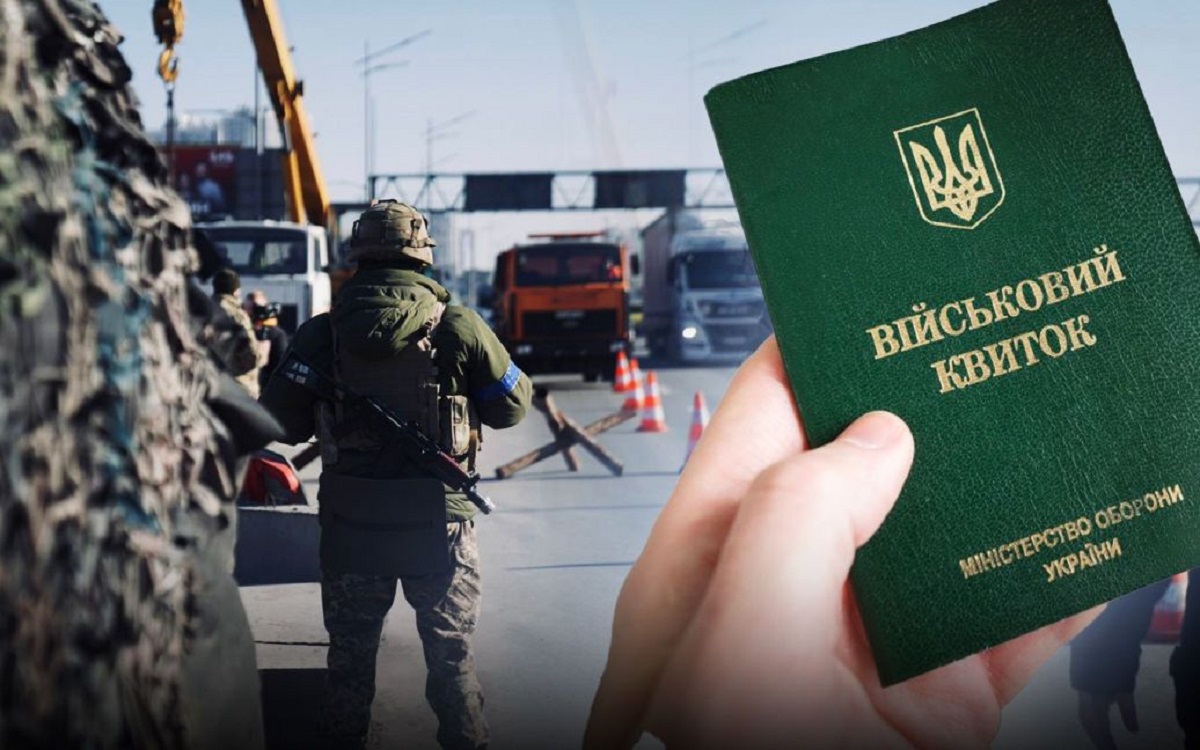
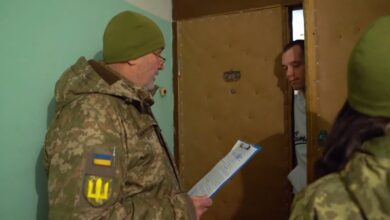
In Ukraine a valid reservation gives a person liable for military service a deferment from conscription during mobilization. In other words, it is not lawful to mobilize a person who, at the time of conscription, has a properly issued and valid reservation. However, case law shows that such instances still occur, and returning someone unlawfully mobilized to civilian life can be much more difficult than proving the very fact of the violation.
The issue was highlighted by the publication “Telegraf”, which analyzed court practice regarding the mobilization of reserved persons. The key legal collision is that a court may recognize the conscription as unlawful, but that does not yet guarantee that the military unit will be obliged to release the person from service.
The reason is the position of the Cassation Administrative Court within the Supreme Court, set out in the ruling of 5 February 2025 in case No.160/2592/23. The court then noted that the conscription procedure during mobilization after its factual completion is “irreversible”, and recognizing violations during conscription by itself does not restore the person’s previous status by releasing them from service.
An important detail: that case concerned not a valid reservation but violations during the conscription procedure, in particular issues related to undergoing a medical examination. That is why in later disputes some courts stressed that the Supreme Court’s conclusion cannot be mechanically applied to situations where the TCC mobilized a person contrary to a deferment explicitly established by law.
Thus, in case No.400/11496/24 the Fifth Administrative Court of Appeal sided with the reserved employee. At the time of conscription the man had a valid deferment, information about it was in the relevant register, and the enterprise additionally notified the TCC about the reservation.
The court agreed that the TCC should have verified the information before making the decision on conscription. As a result, the mobilization order was canceled, and the military unit was ordered to remove the man from the personnel lists. At the same time, the appellate court separately rejected the argument about automatically applying the Supreme Court’s position on the “irreversibility” of mobilization to every case.
Similar conclusions continued to appear in 2026. In particular, courts emphasized: if the subject of the dispute is a specific conscription order for a reserved person, and not only isolated procedural violations during mobilization, the situation differs from case No.160/2592/23.
At the same time there is contrary practice. For example, in a case related to an employee of “DTEK Pavlogradvuhillia”, a court previously found the conscription order unlawful and canceled it because the employee had been reserved at that time. But in another proceeding the court refused to oblige the military unit to release him from service and remove him from the personnel lists.
According to Article 23 of the Law of Ukraine “On Mobilization Preparation and Mobilization”, persons liable for military service who are reserved for the period of mobilization and wartime in the manner established by the Cabinet of Ministers are not subject to conscription during mobilization. Court cases have also repeatedly emphasized that it is the TCC that must check information about the existence of a deferment and reservation before conscription. The presence of such information in the state register must be taken into account when making the decision.
So to claim that a valid reservation “does not protect against mobilization” is legally incorrect. It does provide protection — the problem arises when this guarantee is violated in practice and the person has already been enrolled in a military unit.
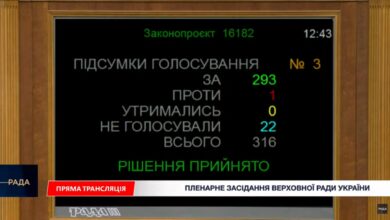
On 31 March 2026 a draft law No.15119 was registered in the Verkhovna Rada, authored by Member of Parliament Oleksandr Yurchenko. The document proposes to supplement Article 26 of the Law “On Military Duty and Military Service” with new grounds for releasing mobilized persons.
Earlier we wrote:
- Now everything will be captured on camera: TCC vans in Mykolaiv will be fitted with cameras
- “The judge works, the prosecutor works, and the lawyer was mobilized?”: in Ukraine signatures are being collected for reservations
- For some — mobilization, for others — “Oberig”: the head of the Mykolaiv TCC was caught with $15 thousand
- A court in the Mykolaiv region did not find a crime in the “busification” of a man with a deferment