Strikes on Moscow as a path to an energy truce
Not enough Patriots: The threat of a blackout in Moscow could save Ukraine from strikes on its energy infrastructure


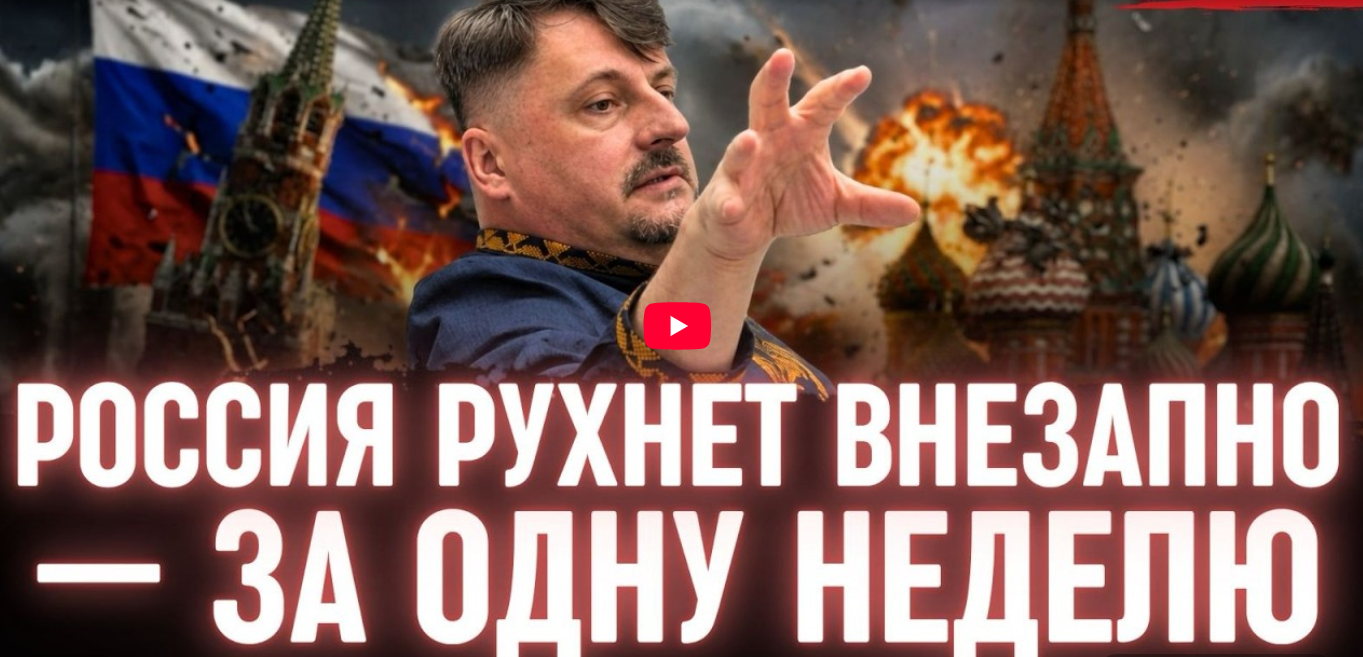
In the opinion of Viktor Kurtiev, the main difference of the coming winter from the previous one is that Ukraine may gain the ability not only to withstand Russian strikes but also to respond against the capital of the aggressor state. The expert suggested that the Ukrainian long-range ballistic FP-9 could appear in early autumn, and the first strike on Moscow is theoretically possible at the end of September or at the beginning of October. At the same time, he called these dates only his own assessment, not a confirmed plan of the Ukrainian command.
Viktor Kurtiev explained the choice of Moscow by saying that Russia is an extremely centralized state. Strikes on Voronezh, Murmansk or other regions may create local problems, but do not force the Kremlin elites to change their decisions. In contrast, explosions, power outages and heating problems in the Russian capital will have a much greater political effect.
“If we freeze Murmansk, nothing will happen. But if we shut down Moscow, they will sit down at the negotiating table”.
Under the expert’s scenario, after 2 successful Ukrainian ballistic strikes on Moscow the Russian side may agree to negotiations, for example, in the United Arab Emirates. The aim of such talks would not be a general end to the war, but a specific mutual moratorium on strikes against civilian energy infrastructure.
“And, in my view, a quite workable strategy is when after two successful ballistic counterstrikes on Moscow, at some negotiation venue in the Arab Emirates they will come out, and we will agree on a mutual moratorium not to strike each other’s civilian infrastructure”.
Thus, Viktor Kurtiev‘s logic is to force Russia into a symmetrical choice: either it stops attempts to leave Kyiv and other Ukrainian cities without power and heat, or it itself receives strikes on the energy infrastructure of Moscow.
The expert emphasized that Ukrainian society has already endured several winter campaigns, massive shelling, emergency outages and damage to heating networks. For residents of Moscow, a similar situation would be their first real experience of war in their own city.
“Our society, and the people of Kyiv in particular, have a much higher pain threshold in this story, because for us this is the fifth wartime winter, whereas for Moscow it will be the first wartime winter. This is a very important factor of resilience, the society’s pain threshold”.
During the interview the host described the worst-case scenario: Kyiv and large cities in Left-Bank Ukraine could remain without electricity and heating for 2 months, which would trigger a mass departure of people. In response Viktor Kurtiev again named strong counterstrikes and a subsequent truce as one of the working options.
“As I said at the very beginning, one of our feasible strategies is very strong counterstrikes and a ceasefire — a moratorium on strikes against civilian infrastructure. For example, in a minus-twenty-degree frost Moscow could also find itself in such a situation. And Ukraine, unlike last winter, can quite feasibly organize this”.
Thus, the expert does not claim that a strike on Moscow will automatically end the war. It is about creating a direct threat of a winter blackout in the capital for the Kremlin, so that the cost of continuing attacks on Ukrainian energy becomes higher than the cost of agreeing to stop them.
According to Viktor Kurtiev, in the absence of sufficient means to intercept Russian ballistics, Ukraine must compensate for the weakness of its air defenses with the ability to inflict unacceptable damage on the aggressor.
“If we cannot protect ourselves, then we can hurt them”.
Statements about the timing of the appearance of FP-9, possible strikes on Moscow and negotiations afterwards are personal forecasts of Viktor Kurtiev. The Ukrainian military leadership has not officially confirmed such plans.
Earlier we wrote:
- Siberia is no longer a rear: a strike on Russia’s largest refinery could become “the last straw”
- Shmyhal in Mykolaiv: the region will be reinforced with equipment ahead of the heating season
- Almost half of Russia’s oil refining halted: Ukrainian drones inflicted $13.5 billion in losses on the sector
- 700 kilometers didn’t save them: Zelensky reported strikes on two Russian refineries
- Moscow in smoke: drones struck a refinery in Kapotnya, airports suspended operations