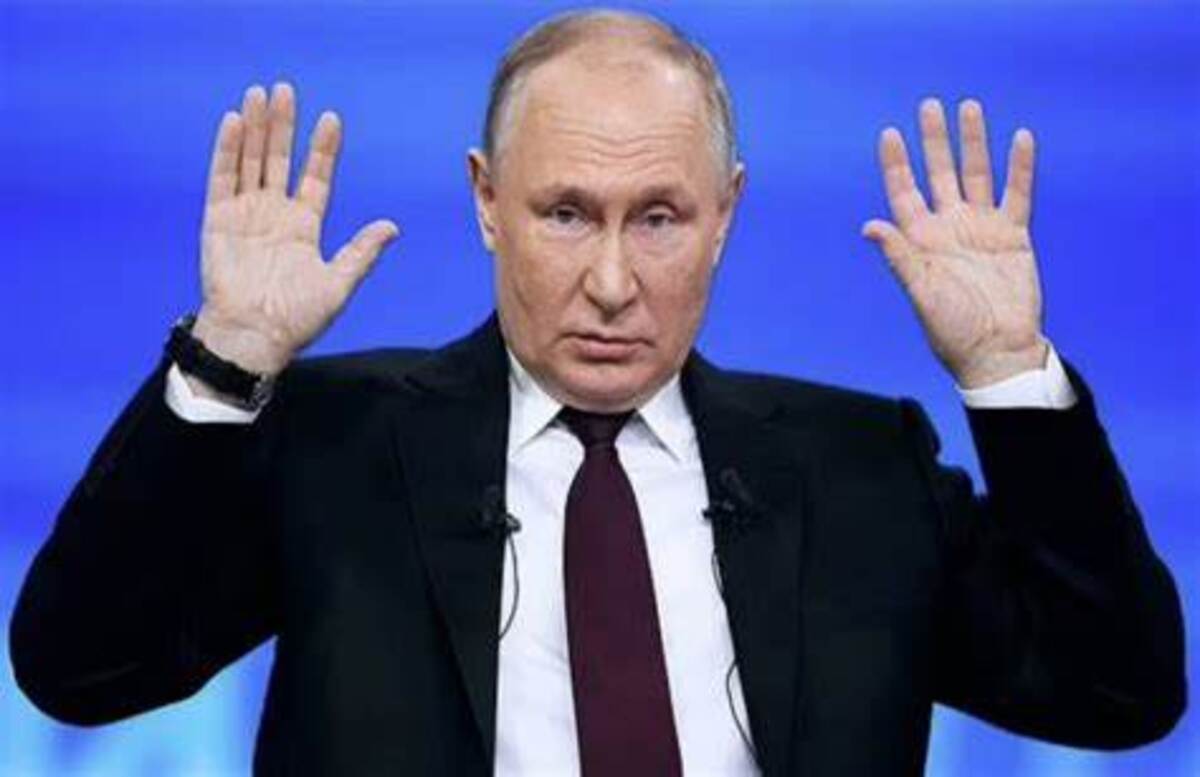
China is gradually expanding ties with Russian officials and members of the elites who could shape Russia’s policy after Vladimir Putin’s departure. At the same time, Moscow’s economic isolation allows Beijing to increasingly dictate its own terms, writes on July 14, 2026 The Wall Street Journal.
One of the most illustrative examples was the gas pipeline project “Power of Siberia-2”. During Putin’s May visit the Russian side hoped to secure China’s agreement, but Beijing demanded gas at prices close to subsidized domestic Russian rates. Effectively Moscow would have had to finance supplies favorable to China itself. In the end the deal was not made.
Russia needs this pipeline after losing a significant portion of the European market. The planned trunk line, about 2600 kilometers long, could transport up to 50 billion cubic meters of gas to China each year, but key questions of price and implementation timelines remain unresolved.
According to the WSJ, in 2013 China accounted for about 10% of Russia’s foreign trade, and now — almost 40%. At the same time Russia’s share in China’s trade remains below 4%, which demonstrates the asymmetry in the parties’ economic opportunities.
Beijing publicly continues to show respect for Putin, while at the same time seeking concessions on energy, finance, and influence in Central Asia. China is also building contacts far beyond the Russian president’s immediate circle, preparing for a future change of power in the Kremlin.
Alexander Gabuev, director of Carnegie’s Berlin Center, suggested that if the current trend continues Russia could turn into “a giant Laos or a giant Pakistan” — a state much more dependent on China and oriented toward it as a political and economic model.
In the Kremlin they deny Russia’s status as a junior partner. Putin’s spokesman Dmitry Peskov told the WSJ that Moscow’s and Beijing’s relations are supposedly based on equality and consideration of both sides’ interests. China’s foreign ministry also emphasized close cooperation and mutual trust between the countries.
Previously we wrote:
- Putin and Xi announced unprecedented relations: Russia — supplier of resources, China — responsible consumer
- China spoke out against Russia’s defeat in the war with Ukraine: implications for global geopolitics
- Siberia is no longer the rear: a strike on Russia’s largest refinery could become “the last straw”
- Almost half of Russia’s oil refining is halted: Ukrainian drones inflicted $13.5 billion in damage to the industry
- Russia enters a fuel crisis: gasoline is rationed, refineries cannot recover in time after strikes
- When regions ask “why are we feeding Moscow?”: AI forecast on the breakup of Russia
- Friendship “the Russian way”: a Russian drone struck a vessel with Chinese citizens