Corruption in Ukraine without prison: for four months, offenders were punished only with fines
What did the statistics show regarding corruption violations?


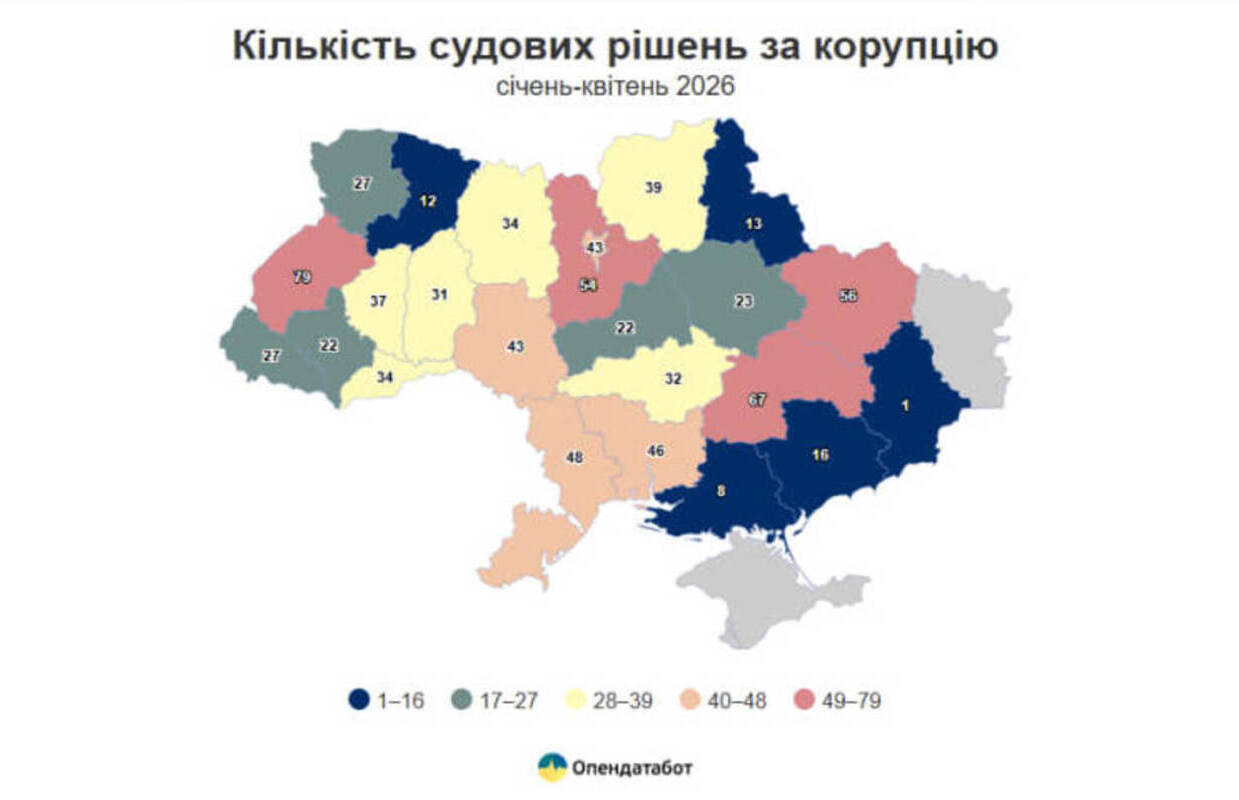
In the first four months of 2026, Ukrainian courts issued 814 judicial decisions regarding corruption violations. This is 27% fewer than in the same period last year. These figures are shown by analytics data from Opendatabot as of 18 May 2026.
The largest share of such cases this year is related not to bribery but to breaches of financial control. These involve declarations, late submission of documents and reporting errors. Over four months the courts reviewed 742 such cases, which constitutes 91% of the total. Cases directly concerning bribery account for only 6% of all decisions. That is 52 cases. Another 20 cases, or 3%, related to conflicts of interest.
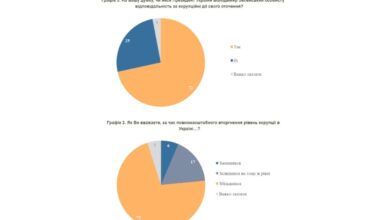
The head of the National Agency on Corruption Prevention, Viktor Pavlushchyk, explained why administrative cases dominate the register of offenders rather than criminal corruption crimes. Notably, all punishments for the first four months of 2026 were in the form of fines only. The statistics contain no imprisonment, community service or restrictions of liberty. The smallest fine amounted to 850 hryvnias, the largest – 34 thousand hryvnias.
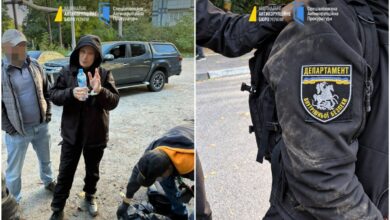
One of the maximum fines was imposed on a woman who tried to give a border guard 300 euros for exit through the checkpoint “Mamaliga” in Chernivtsi region. Another fine of 34 thousand hryvnias was given to a serviceman from Cherkasy region who, after a traffic accident while intoxicated, offered the police a bribe of $100–200.
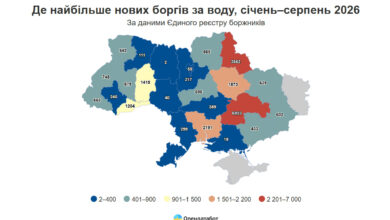
According to the analytics, corrupt officials were most actively punished this year in Lviv (79 cases), Dnipropetrovsk (67 decisions) and Kharkiv (56 decisions) and Kyiv (54) regions. Mykolaiv region received only 46 decisions.
However, the statistics look ambiguous. On the one hand, hundreds of decisions show that violations are being recorded and brought to court. On the other hand, the vast majority of cases concern declarations, and all punishments effectively boil down to fines. This again raises the question: does such a system sufficiently deter real corruption, especially during the war when every hryvnia of the budget must work for defense and the survival of the country.
Previously we wrote:
- Cars worth 20 million in a year: the family of a former traffic police officer from the MIA service center came under journalists’ scrutiny
- A million from his grandfather and an SUV: a VLK doctor from Mykolaiv bought a Land Cruiser
- Declaration of Mykolaiv City Council secretary Falka: 12 businesses, 1.5 million in dividends
- Almost 70 searches across Ukraine: the investigation even reached the hospital in the Korabelnyi district of Mykolaiv
- 57 million UAH to a single architect: connections, contracts and reconstruction working groups in Mykolaiv region