The UAE announced its withdrawal from OPEC+: the cartel loses a supplier accounting for 8% of global exports
A political decision taken without the agreement of Saudi Arabia and against the backdrop of threats in the Strait of Hormuz exempts the Emirates from quotas and paves the way for increased production


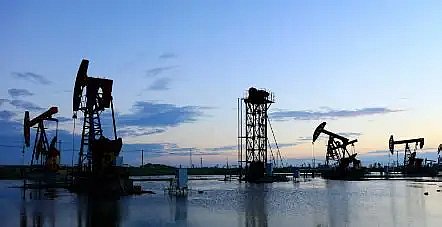
April 28 in the UAE announced its exit from OPEC and the OPEC+ format, a move that sharply shifts the balance of power among exporters and could affect pricing on the global oil market.
According to Reuters, the decision was a painful blow to the oil alliance and its key player Saudi Arabia, as the Emirates have for many years been among the most influential members of the organization, which traditionally maintained unity despite internal disagreements.
The country’s Energy Minister, Suhail Mohamed al‑Mazrouei, explained that the step has a political basis and was taken after a review of the energy strategy, adding that no prior consultations with other states, including Saudi Arabia, were held.
The decision was also influenced by the security situation around the Strait of Hormuz — a strategic route through which roughly 20% of the world’s seaborne oil and gas shipments pass — since against the backdrop of war and threats from Iran, exports from the Gulf countries have come under additional pressure.
Regional differences also played a role: in the UAE other Arab capitals were publicly reproached for insufficient support amid Iranian attacks, and dissatisfaction was expressed with the weak political and military stance of partners.
The Emirates are among the world’s largest producers: they hold about 6% of proven global reserves and about 8% of global oil exports, so the exit of such a country potentially weakens OPEC’s and OPEC+’s influence in market regulation.
Analysts predict mixed consequences: outside the quotas the UAE gains room to increase production, but reduced coordination among exporters can both drive prices up through uncertainty and put downward pressure on them if supply rises.
Background
OPEC — an international cartel of oil-producing countries, created in 1960 to coordinate production and influence global prices; its members come from the Middle East, Africa and South America.
OPEC+ — an expanded cooperation format launched in 2016, when the influence of OPEC members alone proved insufficient to control market shares; large producers outside OPEC, including Russia and Kazakhstan, joined it.
The United Arab Emirates — a Middle Eastern country on the Arabian Peninsula consisting of 7 emirates; the largest are Abu Dhabi and Dubai, the capital — Abu Dhabi. In addition to oil, the economy relies on finance, tourism, trade and technology, and the country is an important transport-economic hub in the region.