Ukraine Reaches Orbit: The First OBRIA NANO Satellite Is Undergoing Testing
To Avoid Losing Connectivity: Ukraine Launches the First Satellite in Its Future Homegrown Network

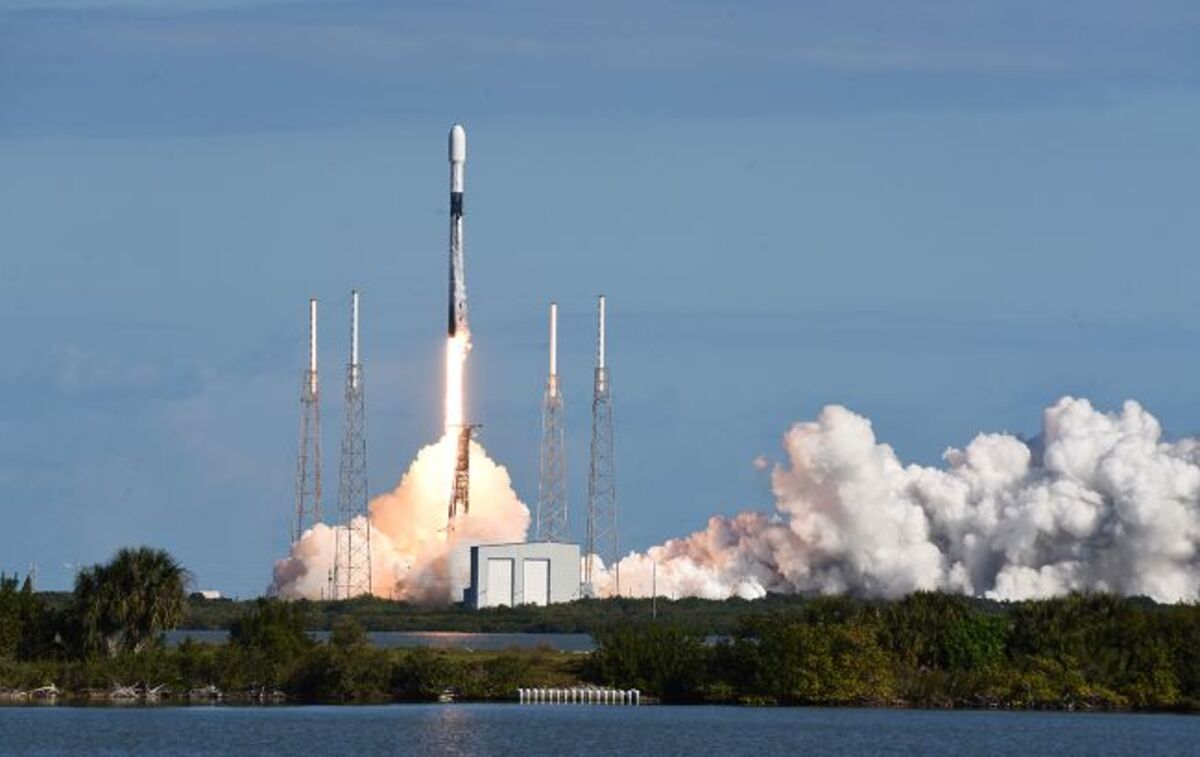
Ukrainian company HIMERA, together with Denmark’s GomSpace, has placed OBRIA NANO—the first test satellite for a future independent Ukrainian communications network—into orbit. The spacecraft was launched on October 1, 2026, as part of the SpaceX Transporter-18 mission. It is currently undergoing scheduled technical tests.
The companies announced the launch and the progress of testing on October 27, 2026. According to them, tests of the capabilities of the future OBRIA satellite constellation are proceeding as planned. The experience gained is expected to help with the project’s further development and its integration into Ukraine’s national infrastructure. The companies explain that dependence on other countries’ technologies, even those of friendly nations and partners, creates strategic risks. These risks become especially pronounced during a full-scale war, when reliable and accessible communications channels are critically important.
OBRIA NANO will be operated by a Ukrainian operator and serve Ukraine’s strategic security needs. Its developers see it as the first practical step toward creating an independent satellite communications system.

HIMERA co-founder and CEO Misha Rudominskyi explained that the launch matters not only as a standalone space mission but also as the beginning of building independent communications infrastructure.
“For us, this project is more than just launching a satellite. It is an opportunity to lay the foundation for an independent communications network for Ukraine. We are starting by testing technologies in orbit, and our long-term goal is to develop capabilities that will strengthen the country’s strategic security and reduce its dependence on external communications providers.”
In the future, the initiative’s participants plan to deploy a satellite constellation that will provide communications across the entire territory of Ukraine. The network is also intended to complement the capabilities of European satellite systems.
The plan involves gradually developing an independent Ukrainian satellite communications system that will serve the country’s strategic security interests. However, the current phase is still a test: OBRIA NANO is expected to deliver practical results needed for further planning and system development.
The companies identify localizing the production of satellites and ground terminals in Ukraine as the next important step. This is expected to help develop Ukrainian expertise in satellite communications and gradually expand domestic manufacturing capabilities.
GomSpace CEO Carsten Drachmann emphasized the importance of cooperation with the Ukrainian company in advancing the initiative.
“We are pleased to work with HIMERA and have the opportunity to accelerate this important initiative. Our shared goal is to strengthen Ukraine’s independent communications capabilities and contribute to its long-term security and economic development.”
HIMERA develops a secure communications network for the Ukrainian Defense Forces. The company plans to draw on its experience in secure communications to advance the OBRIA initiative.
Denmark’s GomSpace, founded in 2007, is an international provider of small-satellite solutions. Its customers are located in more than 60 countries worldwide.
Thus, the launch of OBRIA NANO is a test phase of a project aimed at creating an independent Ukrainian satellite communications network. Further progress will depend on the test results, the development of the satellite constellation, and the ability to establish equipment manufacturing in Ukraine.
We previously reported:
- Ukraine’s own satellite communications: ICEYE and Nokia to study the project
- Pentagon receives White House order to restrict Starshield for Ukraine’s Armed Forces — Reuters
- Ukraine is creating its own Starlink alternative — Zelenskyy
- Starlink registered with someone else’s data: two residents of Mykolaiv registered terminals for the Russian army
- Your phone connects to space: Viber, WhatsApp, and Google Maps can now work through Starlink