Astrologers, tarot readers and the "secret management": how esotericism made its way into politics
43% of Ukrainians believe in at least one esoteric practice — information campaigns and Russian entities exploit this to pressure military personnel and collect sensitive information


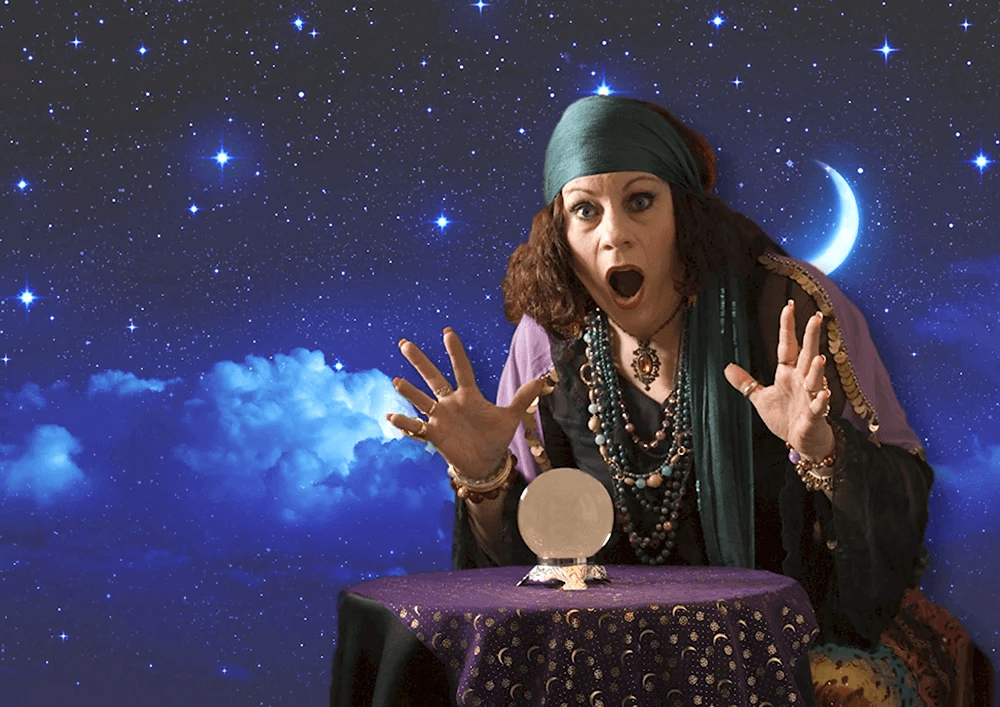
The publication «Ukrayinska Pravda» published a piece about the influence of esotericism, astrology and occult practices on society and Ukraine’s political elite, prompted by the resonance around former Head of the Office of the President Andriy Yermak, whose consultation with astrologer Veronika Anikiyovych (“Veronika Feng Shui Office” in his phone) became known during a court hearing.
The authors cite results of a KMIS survey for 2024: 35% of Ukrainians admit belief in astrology, 25% in extrasensory abilities, 15% in tarot reading, and overall at least one of these practices is believed in by 43% of respondents.
After the surge of attention to the Yermak story, the theme of “secret governance” of Ukraine was quickly picked up by Russian propagandists: in just 3 days pro-Russian accounts generated more than 1.2 thousand posts, which together collected over 21 million views, accusing the Ukrainian authorities of participating in rituals, satanism and moral decay.
The publication also reminds that turning to astrologers and magicians is not a purely Ukrainian phenomenon: French President François Mitterrand consulted astrologer Elisabeth Teissier and even considered the “compatibility” of ministers’ horoscopes when making appointments; the Reagans in the USA used Joan Quigley’s advice to choose favorable dates for political events; in Argentina occultist López Rega had influence over state governance through President Isabel Perón.
In Ukraine one of the first proponents of astrology in politics is named as Leonid Kravchuk, who cooperated with Russian astrologer Pavlo Globa; later others also turned to forecasts — in particular Viktor Medvedchuk publicly inquired about his own horoscope on Radio Svoboda, and Yulia Tymoshenko, the piece claims, maintained long contacts with the “media fortune-teller” Maria Tycha.
“She will never be as lucky as she will be in the period from 2010 to 2015,” — said astrologer Pavlo Globa.
Events went differently: Tymoshenko lost the election to Viktor Yanukovych in 2010 and later ended up in prison.
Why officials turn to esotericism despite education and experience is explained by the publication through expert assessments. “They go to fortune-tellers not for control, but precisely for assurance that their decision is the right one,” believes political consultant Oleksii Kovzhun. He adds that some make a “quantum leap” into high politics without proper preparation and try to compensate for internal insecurity by searching for “higher knowledge.”
A separate section is devoted to Veronika Anikiyovych, about whom there is no consensus in the esoteric community: some colleagues call her little-known or even a fraud, others — a full member of the professional community. “A normal, open person who is passionate about astrology and actively develops professionally,” noted astrologer Zoya Kopchynska.
The esoteric community in general has long become a noticeable part of the Ukrainian media landscape: magicians, tarologists and psychics run popular blogs, appear on air and influence audience moods. “Practitioners of magic participate in internal and external information campaigns. That is, they are part of the information space,” believes media expert Oksana Moroz.
Demand for such “opinion leaders” is also evidenced by accounts from participants in TV production: former producer of the “Battle of the Psychics” Oleksii Udovytsky recalled that at the start of the full-scale war creators of Ukrainian propaganda content approached him with proposals to involve psychics as speakers. “We need these people because they are opinion leaders, people believe them,” recalled former producer of the “Battle of the Psychics” Oleksii Udovytsky.
In Ukraine during the war experts warn about the danger of widespread esoteric practices that affect citizens’ psyches, the behavior of military personnel and can substitute rational decisions with myths; this is pointed out, in particular, by psychoanalyst Yurii Prokhasko and strategic communications expert Liubov Tsybulska.
A 24-year-old Ukrainian serviceman, amid panic attacks, turned to Maria Tycha and paid 12,500 hryvnias for a consultation; after a prediction about possible death he left his unit without authorization.
“During personal or societal crises people feel disorientation and anxiety,” — noted psychoanalyst Yurii Prokhasko.
According to the specialist, in such periods people seek the illusion of control and turn to esotericism precisely as a way to reduce anxiety, and belief in “all-powerful” bearers of secret knowledge is often accompanied by a desire to shift responsibility for one’s own decisions onto others.
Liubov Tsybulska emphasizes that Russian structures use esoteric practitioners to influence Ukrainian servicemen and their families; in particular, during private consultations people may disclose sensitive information and be subjected to psychological pressure.
Experts view the fascination with astrology and occultism as a manifestation of general anxiety, political loneliness and a low level of trust in state institutions, which increases the readiness to seek simple answers to complex questions.
The greatest risks arise when such practices begin to influence political decision-making, the management of social processes, or become a tool of information manipulation.
Previously we wrote:
- The end of paid magic? Ukraine wants to punish fortune-telling, esotericism and occultism
- Propaganda malfunctioned: Russia’s war against Ukraine was equated with the “Great Patriotic War”
- Fake about the “bloody storming of the TCK” in the Mykolaiv region — Russian propaganda spreads horrors
- Russia opens military camps for girls in occupied Ukraine