The EU approved the 20th package of sanctions with restrictions on oil and gas exports; the Kremlin threatens harsh retaliation
After the restoration of the Druzhba pipeline, Bratislava and Budapest lifted their objections; Moscow warns of rising energy prices and risks to food security due to barriers to fertilizers


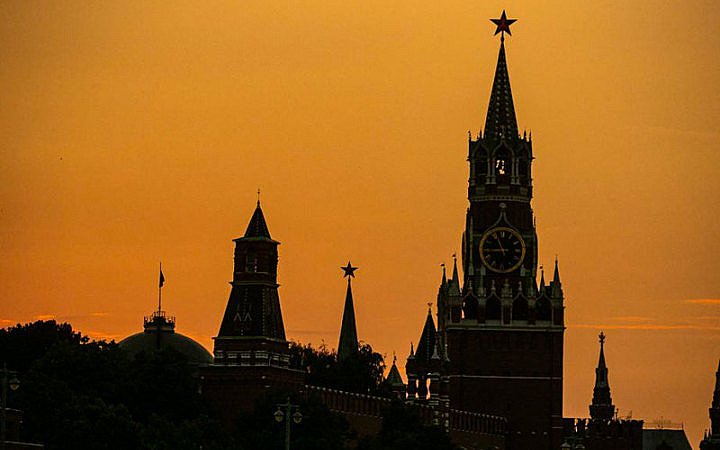
Russian Foreign Ministry spokeswoman Maria Zakharova said that the restrictions on oil and gas exports included in the European Union’s new sanctions package could have serious consequences against the backdrop of a global energy resource shortage; Moscow is also preparing a response, Reuters reports, Reuters.
The European Union has already approved the 20th package of restrictions against Russia after Slovakia and Hungary withdrew their objections. This came against the backdrop of the resumption of oil pumping through the “Druzhba” pipeline, which removed one of the key obstacles to the decision.
According to Zakharova, the imposed restrictions will primarily affect developing countries: due to rising hydrocarbon prices, such states will find it more difficult to meet their own energy needs.
She also noted that the sanctions measures could affect food security. In her view, tightened controls on fertilizer supplies and the related restrictions could complicate access to agricultural resources.
The representative of the Russian foreign affairs ministry warned that the Kremlin is preparing appropriate steps in response to Brussels’ actions.
We will take measures in response. They will be tough, designed to suit our interests.
Earlier we wrote:
- Sanctions are squeezing: Russia risks sharply curtailing oil production due to overflowing storage
- Sanctions instead of Santa: Italy doesn’t believe in peace in Ukraine by Christmas
- The EU is preparing powerful sanctions that will change the game for Putin!
- Russia’s oil business under attack: half of the “shadow fleet” – under sanctions
- RNBO imposed sanctions against Putin’s inner circle, Patriarch Kirill and NDZ owner Deripaska