Oblteplo Could Lose 120 Employees: Stable Heating in Mykolaiv at Risk
The reservation quota is proposed to be reduced, but no final decision has been made yet

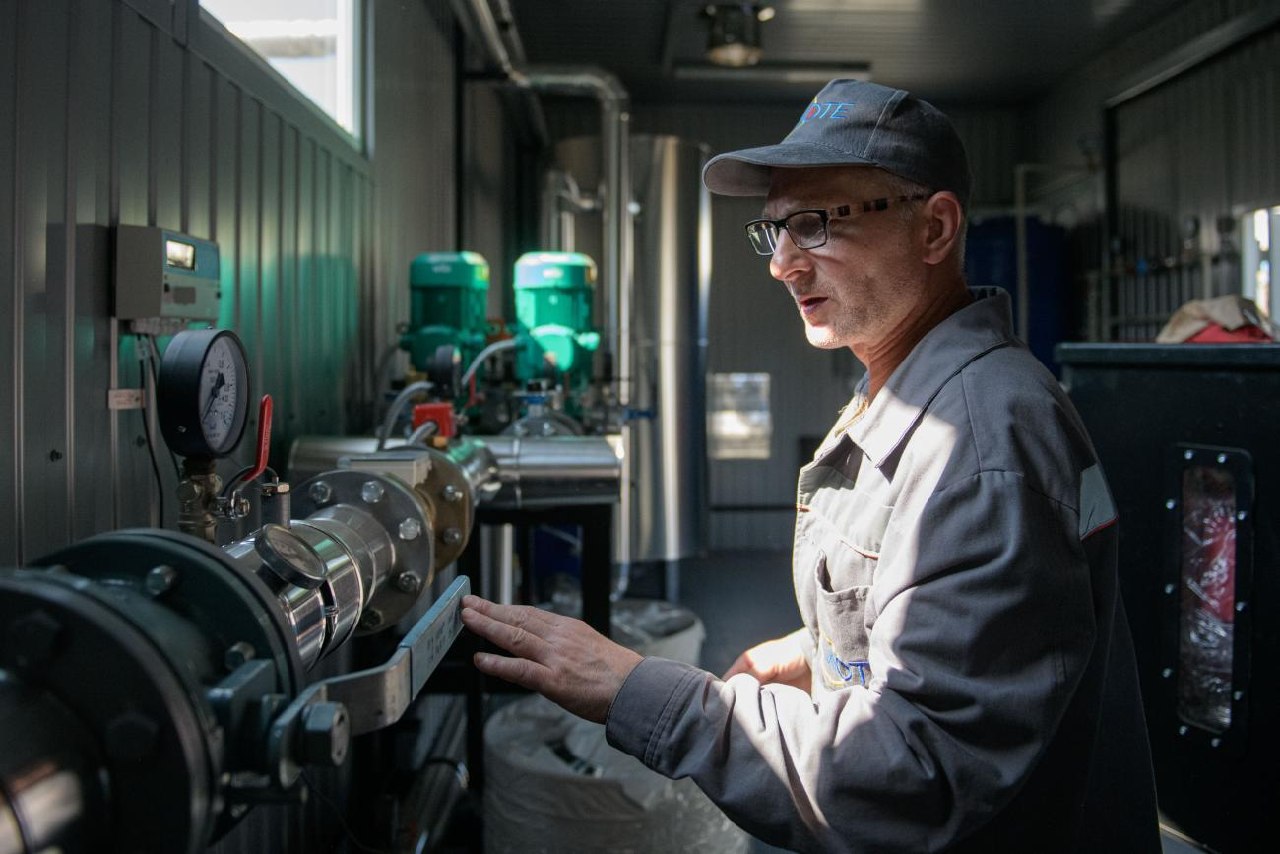
A possible reduction in the reservation quota threatens stable heating in Mykolaiv: OKP Mykolaivoblteploenergo risks losing 120 employees. The company’s director, Mykola Lohvinov, warned of this scenario. According to facebook.com.
The director spoke at a roundtable titled “Winter 2026–2027: How to Prevent the Collapse of Heating and Water Supply in Ukraine”. His position and the discussion’s conclusions were published by the Association of Critical Infrastructure Operators.
“We have been living under shelling since 2022, and throughout this time we have restored damaged facilities on our own. Now they want to cut our reservation quota to 60%,” said Mykola Lohvinov.
The director opposes such a reduction in the quota for heating companies. He says it is especially difficult to replace skilled workers during wartime. Some specialists may move to other employers who can offer them reserved status.
Mykolaivoblteploenergo operates across several areas:
- supplying heat to Mykolaiv;
- transporting heat from the Mykolaiv Thermal Power Plant;
- supplying residents with drinking water;
- generating electricity.
In addition, modular boiler houses are to be transferred to the company’s balance sheet. Lohvinov stressed that funding and equipment alone would not ensure proper operations without experienced staff.
“Even if you have billions, but no one to tighten a bolt or shut a valve, what will you do with that money? In the summer, after a drone strike, an employee of a gas distribution company did not know where to shut off the valve in a boiler house. If we lose our people, we will lose the company. Those people will find jobs elsewhere; they won’t disappear. Cities will,” said Mykola Lohvinov.
The head of the regional heating company called not only for the current reservation rules to remain in place, but also for the quota for heating providers to be increased. In his view, companies responsible for cities’ heat, water, and electricity supplies should have the same reservation opportunities as energy companies.
Following the roundtable, representatives of critical infrastructure companies addressed the government with these demands:
- do not reduce the reservation quota; instead, raise it to 100%;
- unblock payments to heating companies through the State Treasury Service;
- establish ongoing dialogue with industry company managers.
At present, government authorization allows up to 75% of employees at critical municipal infrastructure companies to be reserved. It applies to those who provide residents with heating, water, wastewater services, and household waste collection.
The Cabinet of Ministers is preparing amendments to the rules for reserving employees liable for military service. A lower quota has been proposed for heating and water supply companies and household waste collectors, a proposal opposed by roundtable participants. For the energy sector and the defense-industrial complex, a reduction from 100% to 85% has been proposed.
On October 13, the government approved changes to the reservation rules but decided to revise the new limits over the next five days. Therefore, a final decision on reducing the quota for heating companies has not yet been confirmed.
On October 15, the Association of Critical Infrastructure Operators also warned that reducing the reservation quota could lead to mass layoffs at heating and water utilities ahead of the heating season.
We previously reported:
- Reservation quotas may be cut: to 85% for defense and energy, and to 60% for municipal utility workers
- Reservation quotas may be reduced: businesses fear losing key specialists
- Staffing is a major problem: Mykolaivvodokanal is looking for mechanics, tractor drivers, and welders
- Thousands of employees may lose reserved status: Cabinet tightens rules for critical companies
- Kim: Mykolaiv region faces a staff shortage of up to 30% due to mobilization — young people are moving to safer regions