Dinara Fled from Her Suitor: The Hyenas at Mykolaiv Zoo Didn’t Become a Couple
The female waits out bad weather in her own burrow, while the male shelters in a little house


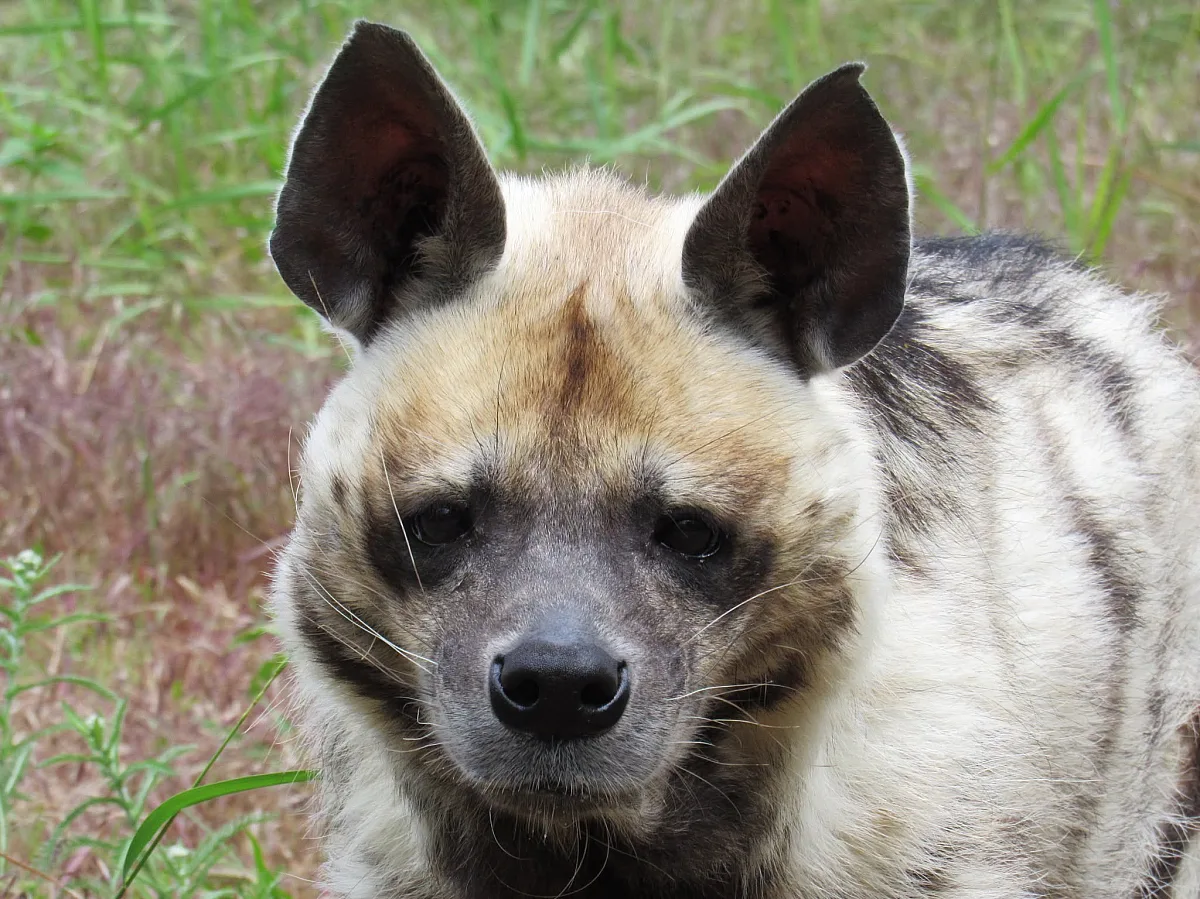
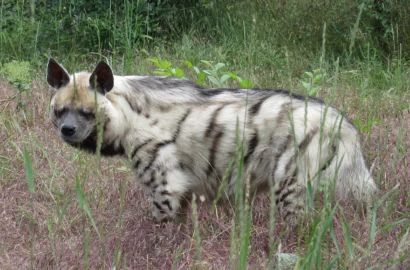
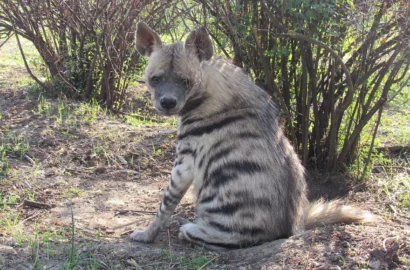
The striped hyenas Apache and Dinara at the Mykolaiv Zoo never formed a pair, despite the staff’s efforts. The male wanted to get closer, but the female preferred to be alone. The animals now live in separate enclosures.
When staff tried to introduce the hyenas, Apache immediately took an interest in Dinara and actively courted her. She did not return his interest, however: she ran away from her persistent suitor and hid. Eventually, the male had to be returned to his enclosure. Later attempts to help them get better acquainted also failed.
Careful partner selection by specialists does not guarantee that animals will get along. Some form strong pairs and produce offspring, while others merely tolerate a neighbor’s presence—and sometimes react aggressively.
Apache was brought to Mykolaiv from Kharkiv in 2012. Four years later, in 2016, Dinara also came to live at the zoo. At first, they stayed in old enclosures, then moved to new, more spacious ones in the summer of 2017.
Their home is in a quiet part of the zoo, away from busy paths and crowds of visitors. Conditions here have been made as close to natural as possible: the natural soil, grass, shrubs, and shelters have been preserved. The hyenas have worn paths through their own territories and made places to rest.
Warm dens are provided for protection from rain and frost. But Dinara prefers the home she made herself: she dug a deep, cozy burrow and waits out bad weather there. Apache, on the other hand, is happy to use the shelter provided for him on cold and rainy days.
Not every visitor gets to see the hyenas. They spend most of their time among dense bushes or in hiding places. Sometimes the animals come out into the open during feeding.
Despite their reputation as fearsome predators, striped hyenas enjoy not only meat but also sweet fruit. At the Mykolaiv Zoo, their diet includes:
- boiled chicken and beef;
- pork heart;
- chicken gizzards and hearts;
- cottage cheese;
- watermelons and melons, which the animals enjoy in summer.
In the wild, this species lives in arid regions of North Africa, East Africa, the Middle East, the Caucasus, and Central Asia. Striped hyenas primarily eat carrion, but they also hunt small animals, eat insects, and feed on plants. Their powerful jaws can crush even large bones, allowing them to access nutrients unavailable to many other predators.
Another way these animals interact is through scent. A special gland produces a secretion that hyenas use to mark the boundaries of their territory. For animals that are mostly solitary, these marks help them avoid unwanted encounters and conflicts.
Their secretive lifestyle has given rise to numerous legends about striped hyenas over the centuries. In the Middle East, they were believed to be able to hypnotize people and imitate human voices. In some cultures in Africa and Asia, these animals were thought to be werewolves.
Hyenas have been longtime residents of the Mykolaiv Zoo. Back in the 1960s, when the zoo was located at its former site, it housed its first striped and spotted hyenas. At various times in the 1980s, the zoo was home to these striped hyenas:
- Cain;
- Magda;
- Marjana;
- Fatima;
- Abel.
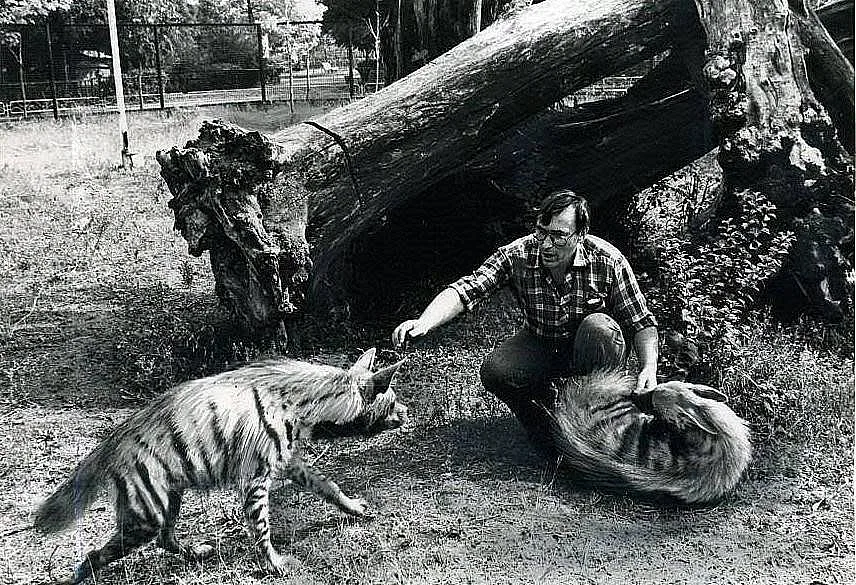
In total, 21 striped hyenas have been born at the zoo over the years. Staff hand-reared most of the cubs, then transferred them to other zoos as they grew up.
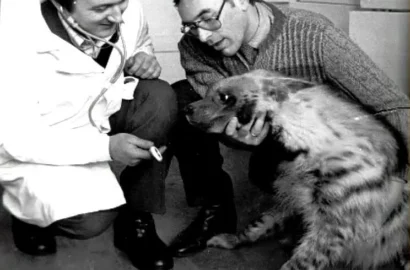
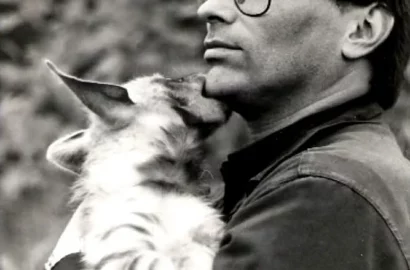
Staff recall that hyenas raised by people remembered their caregivers well and remained attached to them even as adults. Those who had taken the place of the cubs’ parents were allowed to enter their enclosures.
The zoo has now shared archival photos of hyenas born in Mykolaiv, along with new photos of Apache and Dinara. Visitors are invited to meet the predators in person, but they will need patience: these cautious animals do not like showing themselves to the public.
We wrote earlier: