"Up to 90% of mobilization cases involve violations": Lubinets cited an egregious example from Mykolaiv region
The ombudsman demands that cameras be installed in all premises of ТЦК


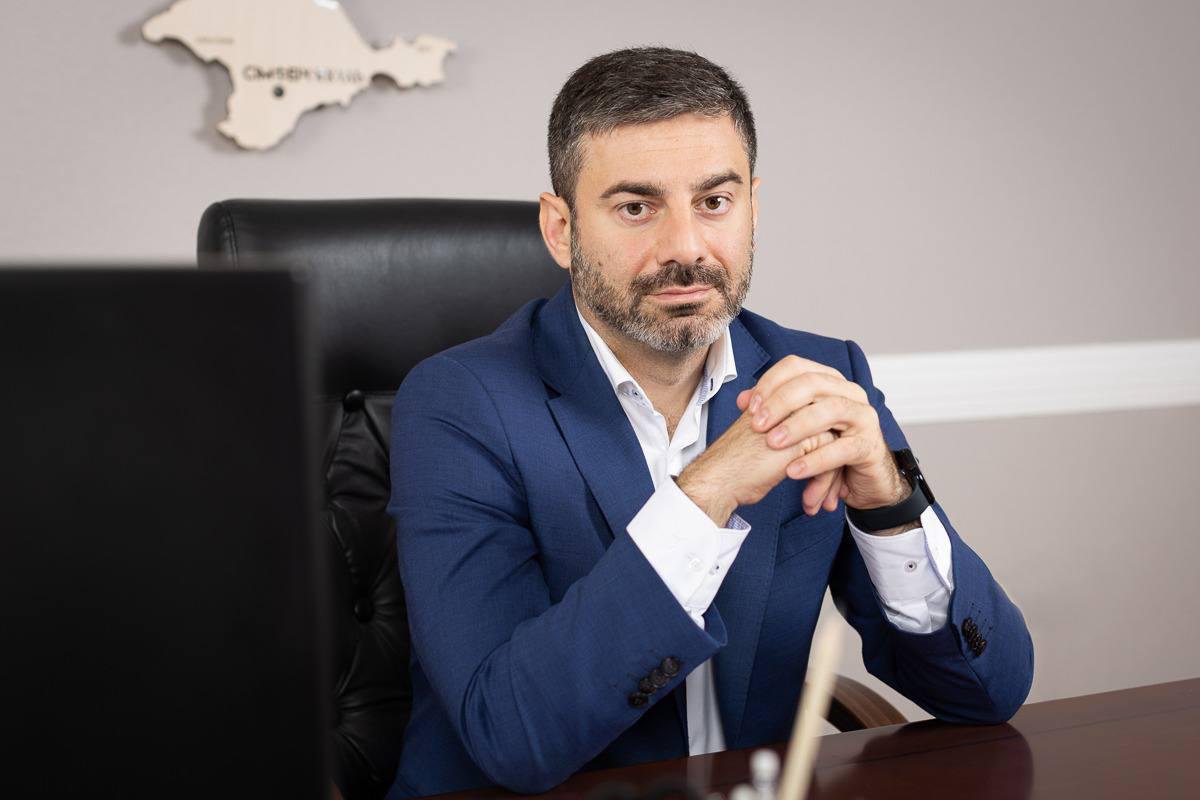
The Commissioner of the Verkhovna Rada of Ukraine for Human Rights Dmytro Lubinets said that up to 90% of mobilization cases may be accompanied by violations of citizens’ rights. He called for a radical reform of the territorial recruitment and social support centers and to abandon coercive methods, intimidation and the pursuit of quantitative indicators.
The ombudsman said this in an interview with “Novyny.LIVE”.
According to Dmytro Lubinets, the number of appeals to his Office regarding mobilization has increased by hundreds of times. Among the recorded problems he named forcible delivery of people, the conscription of citizens with serious illnesses, and the systematic absence of video recordings during the review of disputed situations.
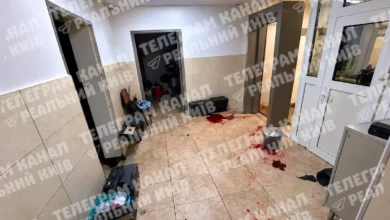
Separately, the ombudsman spoke about a case in the Mykolaiv region, where his representatives found a man with broken ribs who was being held in the premises of the territorial recruitment and social support centers.
“We have cases where, after our response, we went to the premises of the territorial recruitment and social support centers and found a person with broken ribs who was being held there. This happened in the Mykolaiv region during a monitoring inspection by the central office. We arrived there and found that the person had already been officially enrolled in a military unit, but was not physically sent because of the broken ribs. The most recent case we are currently investigating is an appeal from a family. They wrote to me that the man had been mobilized, and 12 days later they were informed of his death,” — said Dmytro Lubinets.
Earlier in Mykolaiv the ombudsman’s representatives found a man who had been held in a TRC for 18 days with injuries, including rib fractures. After the disclosure the Ministry of Defense announced an inspection of the Mykolaiv and Odesa TRCs.
In Dmytro Lubinets’ view, the premises of the territorial recruitment and social support centers have effectively turned into places of detention where citizens can be brought without proper legal grounds.
“There, I emphasize, they bring people without any legal grounds. On what basis are they detained and brought to the territorial recruitment and social support centers?” — Lubinets stressed.
The ombudsman singled out the lack of video recording as a separate problem. During inspections, TRC employees, he said, often report that the body camera ran out of battery, was forgotten, or broke down at the moment of the incident.
“I don’t see any reason why, based on an internal order of the Minister of Defense, we still haven’t installed cameras in all premises of the territorial recruitment and social support centers. This does not require changes to the laws — it can be done at most by a government resolution, and in my opinion an internal order of the Ministry of Defense would be sufficient,” — Lubinets emphasized.
He also said that body cameras should not only be available to TRC staff, but should be constantly on, and recordings should be stored and provided during complaint reviews.
Another area of criticism was the work of military medical commissions. According to the ombudsman, during 2026 his Office received thousands of appeals from people who were declared fit or limitedly fit for service despite having serious illnesses.
Dmytro Lubinets gave an example of a mobilized person with several confirmed diagnoses.
“We have a very large number of mobilized people with HIV infection, hepatitis B and hepatitis C. One of the recent cases is a person with an officially confirmed diagnosis of stage-four HIV, hepatitis B and C. We go to the training ground, and they are assigned to kitchen duty,” — Lubinets said.
Earlier, during an inspection of one of the TRCs, the ombudsman’s representatives found people with lifelong disabilities and mental disorders. After the intervention of the Commissioner’s Office, five people were released.
According to Dmytro Lubinets, only about 10% of mobilization procedures are carried out in accordance with established rules, while in the remaining cases he sees violations of citizens’ rights.
The ombudsman emphasized that piecemeal changes are no longer enough. He urged the Ministry of Defense to create a separate working group, completely review the mobilization procedure and amend Ministry of Defense Order No. 402, which regulates the conduct of military medical examinations.
Earlier we wrote:
- A police officer beat a man while transporting him to the TRC
- Daughter reported the torture of her father after forced delivery to the TRC
- The Ministry of Defense will inspect the Mykolaiv and Odesa TRCs after the revelation of an 18-day detention of a man
- Death of a serviceman from Mykolaiv region and 25 more cases: investigation into the “Skelya” regiment
- People with mental disorders and disabilities in TRCs: Lubinets published the results of the inspection