Tourism beyond the sea: Mykolaiv region plans eco-lodges, wine tours, and wellness experiences
The Kobleve community has set new priorities in its strategy through 2027

Kobleve Community in Mykolaiv Oblast plans to expand its tourism offerings beyond the seaside, developing recreation on the Tiligul Estuary and Solonets-Tuzly Lake by combining ecotourism, wellness, sports, gastronomy, and local craft production. These areas are included in the community’s development strategy through 2027, approved by a session of the Kobleve Village Council.
The search for alternatives comes amid a steep downturn in the resort industry since the start of the full-scale invasion. Military restrictions and limited access to the Black Sea meant that fewer than 10% of resort facilities were operating in 2023–2024. Some tourist infrastructure was repurposed to house displaced people, while tourism revenues fell significantly.
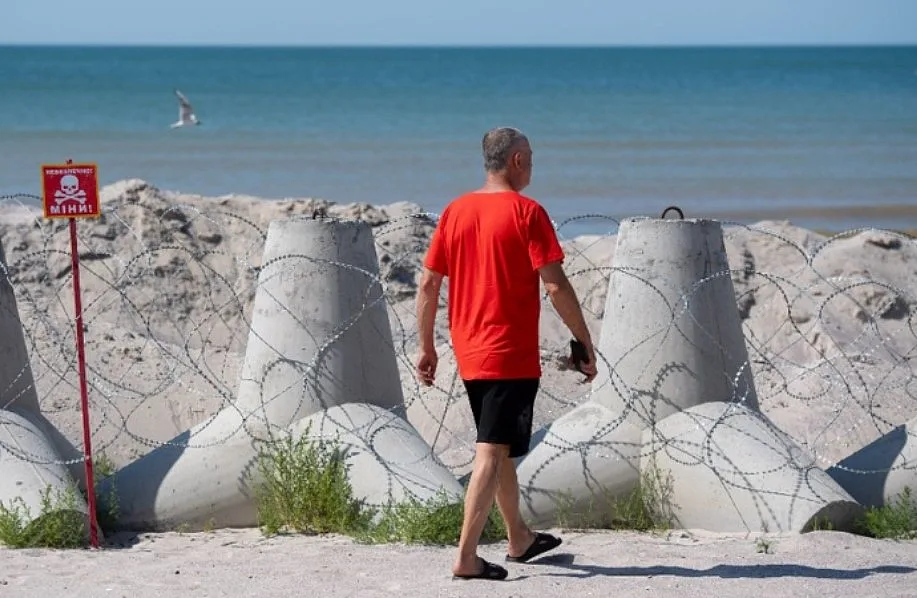
Since the start of the full-scale invasion, the village of Kobleve has been closed to holidaymakers. The coastline was mined to protect against the Russian army. Today, there are destroyed hotels and abandoned holiday camps, while local businesses are being overgrown with weeds.
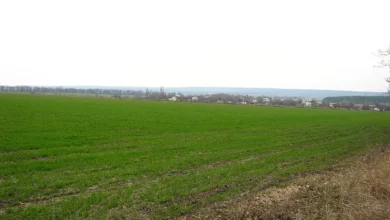
The community sees the shores of the Tiligul Estuary as an alternative to seaside resorts. It plans to develop ecotourism, sport fishing, and water sports in the area. The strategy provides for:
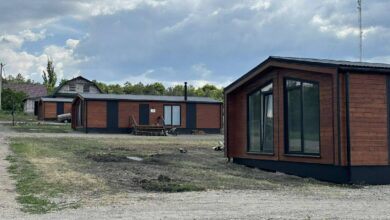
- a network of Green Stay guesthouses;
- eco-trails and cycling routes 20–40 kilometers long;
- viewing platforms and designated birdwatching areas.
The community is also considering building an eco-village and a training center where visitors could take part in kitesurfing, sailing, and rowing.
The wellness initiative is linked to Solonets-Tuzly Lake, where proven reserves of therapeutic mud exceed 230,000 cubic meters. To create a wellness and rehabilitation complex, the community has municipal property with a total area of about 7,400 square meters and a 6-hectare plot of land.
Local production is also expected to become another pillar of tourism development. The strategy notes that more than 100 local craft producers of wine, honey, dairy products, fruit, and beekeeping products operate in the community. Most are based in Kobleve, Luhove, and Rybakivka. Their products are planned to feature in excursion and gastronomic routes.
Planned projects include:
- a tasting center or a winemaking museum;
- a small dairy plant;
- wine and food tours;
- an annual local produce festival.
A concept for the Kobleve Resorts mobile app has already been developed to promote tourist attractions.
At the same time, the strategy identifies infrastructure problems that could complicate the community’s development. Centralized wastewater collection is available only in Kobleve, where 404 subscribers are connected to the sewer system. Other settlements use cesspits and septic tanks, and only 26 subscribers receive official wastewater removal services.
The existing 16 kilometers of sewer networks and 15 kilometers of pressure collector are in poor condition. The treatment facilities in Luhove, built in 1984, are currently operating at about half their design capacity. The document emphasizes that the wastewater system requires comprehensive modernization.
We wrote earlier:
- More than just a monument: Kobleve plans a memorial square with a rotunda and grapevine
- Weeds waist-high, damaged hotels, mined beaches, stray dogs: life at the Kobleve resort
- Tourism: Kim proposes adding “military” routes around Mykolaiv Oblast
- Officials and businesses discuss reopening the Kobleve resort in 2025
- “No one is even dreaming of making a profit right now”: Kim on the challenges of the tourist season in Mykolaiv Oblast