An evacuation route may open in blockaded Oleshky: what is known about the ceasefire
The White House announced a ceasefire in Oleshky, but Ukraine and Russia still need to confirm the agreement


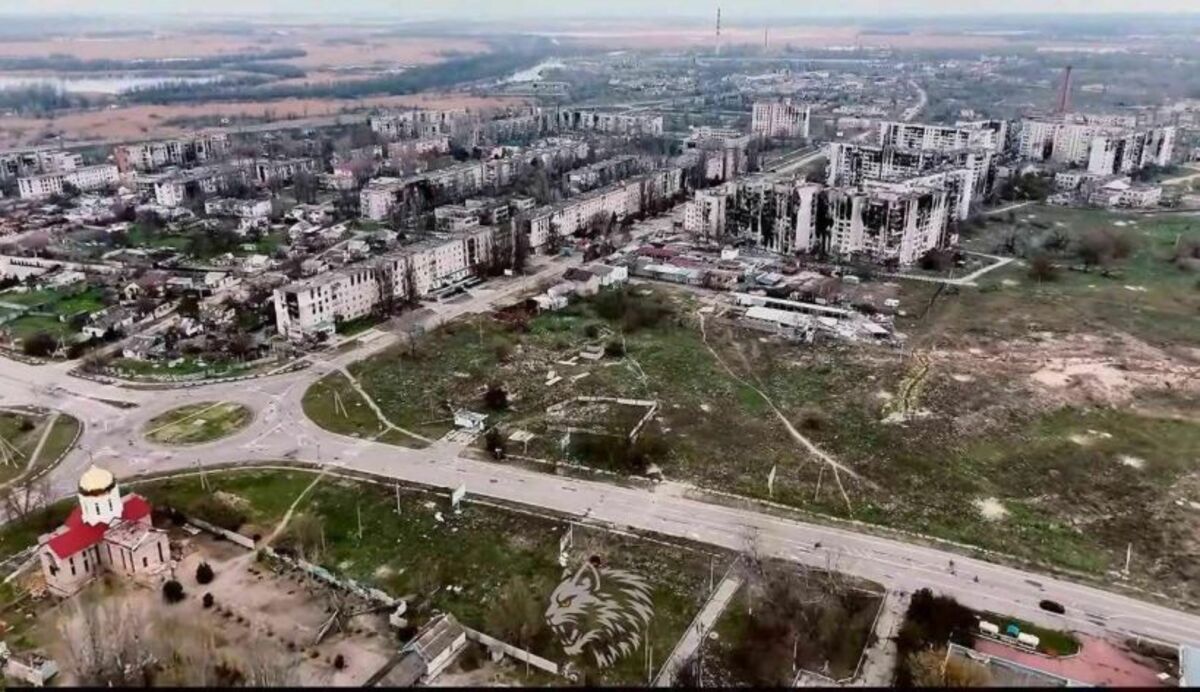
The White House announced that an agreement had been reached on a temporary ceasefire between Ukraine and Russia in the occupied town of Oleshky, in the Kherson region. According to the U.S. administration, the ceasefire is due to begin on October 29, 2026. Its aim is to enable the delivery of humanitarian aid and prepare for the evacuation of civilians via a specially designated safe corridor.
This was reported on October 23, 2026, by the international news agencies Reuters and Associated Press (AP), citing a White House statement. According to the U.S. side, U.S. First Lady Melania Trump helped broker the agreement.
As AP notes, the announced ceasefire will apply specifically to the city of Oleshky. It is intended to create conditions for delivering humanitarian supplies and preparing the evacuation of civilians. However, the reports available do not specify how long the ceasefire will last, the detailed terms for observing it, or the exact evacuation schedule.
At the time the international agencies published their reports, there had been no official comments from the Ukrainian or Russian governments on the announced agreement. Therefore, the White House statement should be distinguished from confirmation that the ceasefire has already taken effect or that the evacuation has actually begun.
On October 19, Dmytro Lubinets, the Ukrainian Parliament Commissioner for Human Rights, said that Ukraine and Russia were coordinating the final details of evacuating civilians from the temporarily occupied Oleshky community to territory controlled by the Ukrainian government. According to him, the Russian side had taken up Ukraine’s previously proposed evacuation arrangements, but difficult issues remained unresolved.
Speaking on the Espreso TV channel, Dmytro Lubinets described the negotiations as follows:
“We are now working to agree on the final details for ensuring a ceasefire and evacuating everyone who wants to leave—not just from Oleshky, but directly to territory controlled by the Ukrainian government. So, there are still, let’s say, difficult issues, but I hope we will see concrete results from these negotiations in the near future.”
According to estimates by the Ukrainian side, around 6,000 civilians may remain in Oleshky and six nearby settlements, including up to 200 children. Preliminary estimates suggest that up to 2,000 people may be in Oleshky itself.
The humanitarian situation in the city remains critical. According to earlier reports by Ukrainian authorities and international media, residents lack food, drinking water, medicine, and medical care, while opportunities to leave the occupied territory safely are severely limited. The last known delivery of food to the city took place on May 26, 2026. Ukrainian forces have also tried to deliver humanitarian supplies to residents using drones.
The agreement announced by the White House could be an important step toward delivering aid and evacuating civilians, but its implementation will depend on the ceasefire being observed and the parties agreeing on specific terms. As of October 23, there is no confirmation that the evacuation has begun.
We previously reported:
- Fasting for Oleshky: Pina Picierno calls for a humanitarian truce
- Diplomat compares the situation in Oleshky to the Holodomor: Russians are taking away food
- Hunger drives people from their homes, while roads are mined: Oleshky residents flee without an evacuation
- EU calls for humanitarian aid to be allowed into occupied Oleshky
- More than three months without food deliveries: residents of occupied Oleshky survive on their supplies