An 8.8-centimeter parasite was removed from a woman's cheek in Mykolaiv: dirofilariasis is reported in the region every year
A parasite "traveled" under her skin: Dirofilaria found in a woman in Mykolaiv

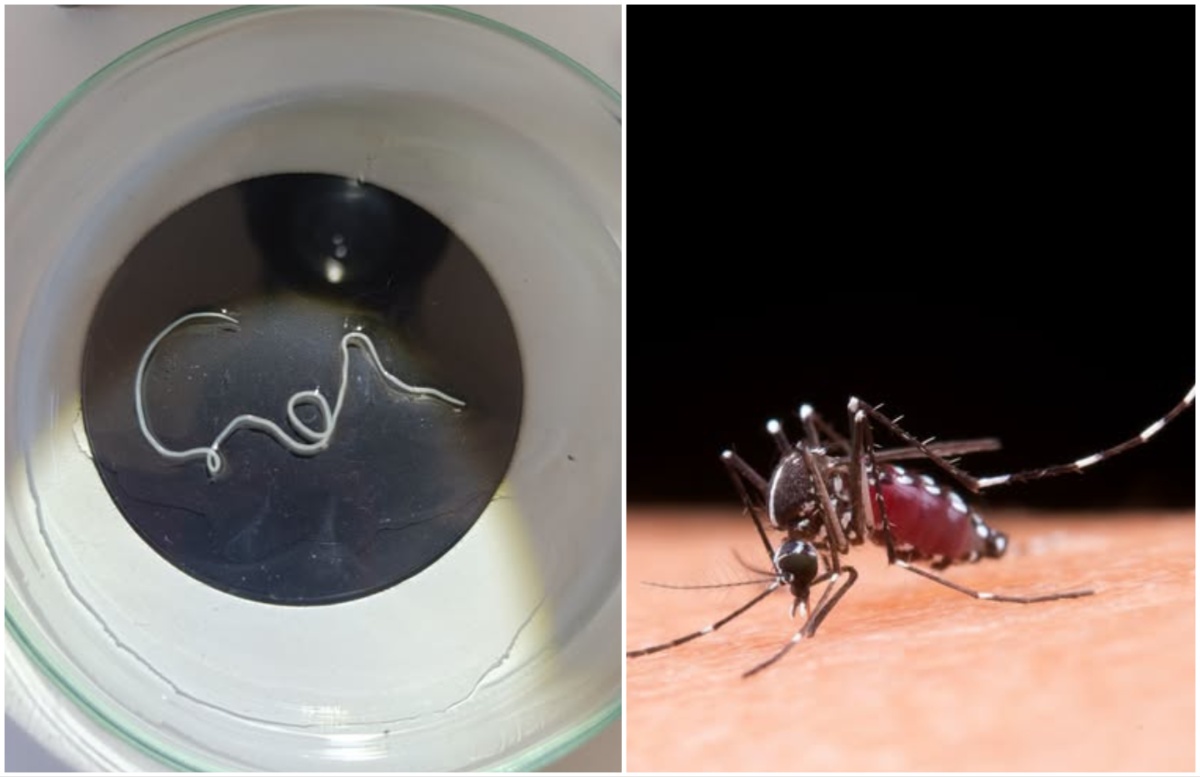
In Mykolaiv a new case of dirofilariasis was registered — a parasitic disease that a person can contract from the bite of an infected mosquito. This was 6 October 2026 reported by the Mykolaiv Regional Center for Disease Control and Prevention. A woman was found to have a helminth in the cheek area. The parasite was removed and sent to a parasitology laboratory, where specialists performed species identification. The study showed that it was a female Dirofilaria repens measuring 8.8 centimeters in length.
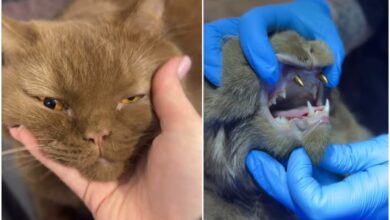
Dirofilariasis is a parasitic disease transmitted through the bites of blood-sucking mosquitoes. A mosquito can transfer the parasite larvae after feeding on the blood of an infected animal. The natural hosts of dirofilariae are mainly dogs, cats, as well as wild members of the canid and felid families. Humans are incidental hosts for the parasite.
After infection the larva gradually develops in the human body. From the moment of the bite to the appearance of a characteristic lump may take from 1 month to 2 years. The parasite is most often found in the area of the head, face, eyes, neck, arms or trunk. One of the characteristic signs of dirofilariasis is migration of the parasite under the skin. According to specialists, a dirofilaria can move approximately 30 centimeters per day. In humans this may present as discomfort, itching, or a sensation of movement under the skin.
Mykolaiv Regional Center for Disease Control and Prevention previously noted that due to the unusual manifestations of the disease it is often initially mistaken for an atheroma, cyst, fibroma or another neoplasm. The parasite is often only conclusively identified during surgical intervention.
Dirofilariasis is not a sporadic or exotic disease for the Mykolaiv region. According to official data from the Mykolaiv RCDCP, in 2025 the region recorded 2 cases of dirofilariasis — in Mykolaiv and the village of Parutyne. In both cases the parasites were located in the eye area, and after surgical removal they were sent to the parasitology laboratory for identification. The causative agent in both cases was found to be Dirofilaria repens. Since 2013, 77 cases of dirofilariasis have been officially registered in Mykolaiv Oblast, of which 57 — in Mykolaiv. Specialists emphasize that the risk of infection exists throughout the region.
The main way to prevent infection is to avoid mosquito bites. Specialists recommend using repellents, installing mosquito nets on windows and doors, wearing closed clothing during periods of insect activity when possible, and not creating conditions for their breeding.
Dog and cat owners are advised to regularly carry out prevention of parasitic diseases in their animals and to promptly consult a veterinarian.
Separately, specialists draw attention to the necessity of laboratory examination of the parasite. If an unknown helminth was removed from a person during surgery, it should be sent to a parasitology laboratory for species identification. This allows confirmation of the diagnosis and inclusion of the case in epidemiological monitoring.
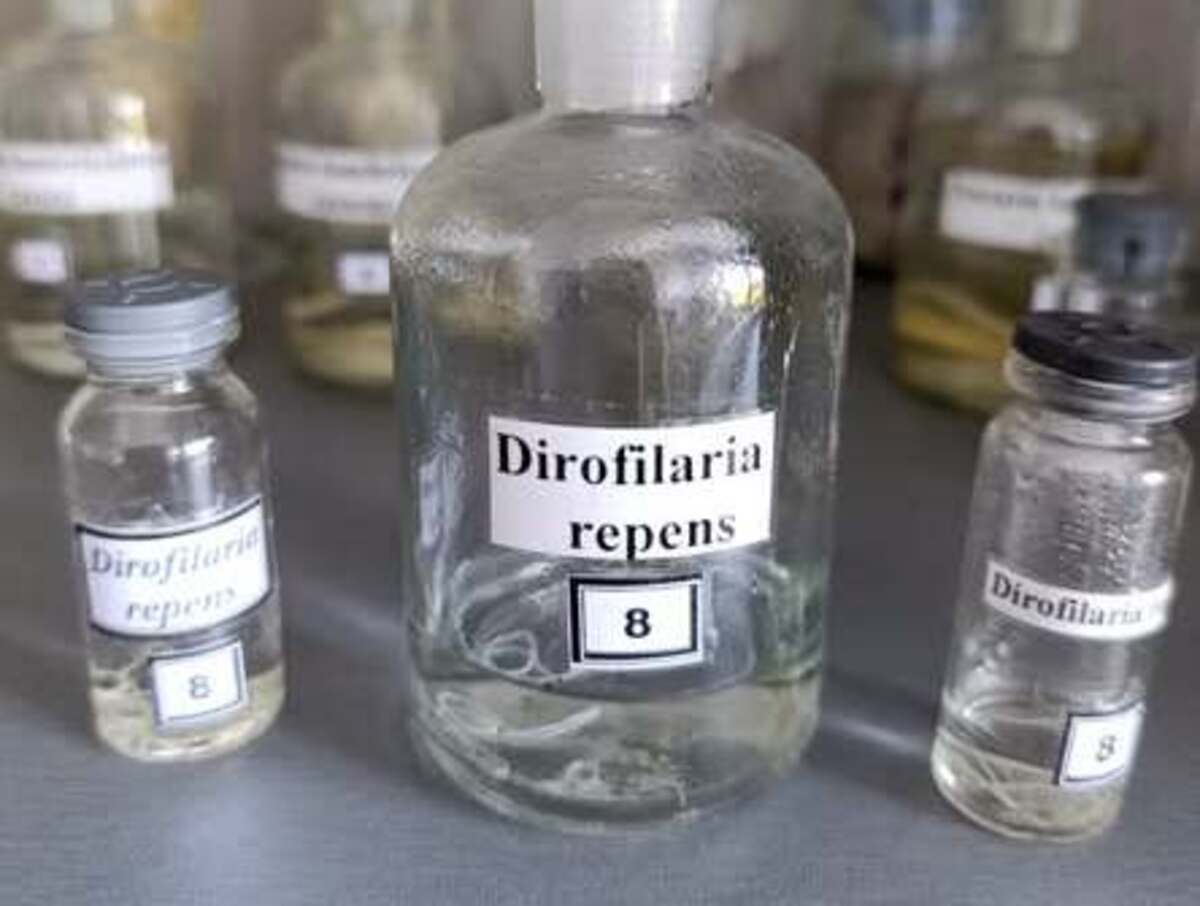
For residents of the Mykolaiv region this is especially relevant, since dirofilariasis has been recorded in the region for many years. As the regional RCDCP notes, the disease “has long ceased to be a rare finding” for specialists in the region.