An hour back: Ukraine switches to winter time tonight
At four in the morning, clocks should show three


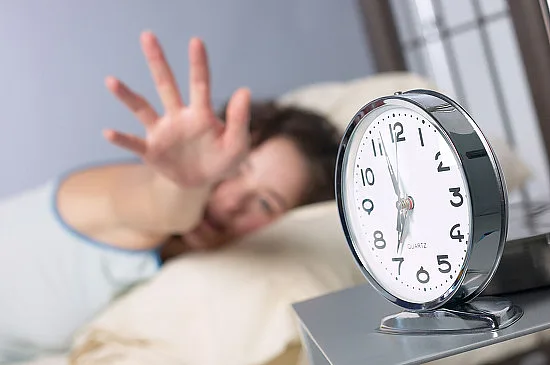
This night, from Saturday, October 24, to Sunday, October 25, 2026, Ukraine switches to winter time. At 04:00, clocks should be turned back one hour to 03:00. The night will be longer, but a change to the usual routine may affect sleep and well-being.
After the change, dawn will come earlier, but evening darkness will also set in earlier. Most modern smartphones, computers, and other devices connected to the network will update the time automatically. Mechanical clocks, alarm clocks, and some household appliances, however, will need to be set manually.
Seasonal time changes were introduced to make fuller use of daylight and potentially save electricity. The practice spread to different countries in the 20th century. Its merits continue to be debated today: the economic impact depends on how people use energy and how they live.
In Ukraine, the current procedure is governed by Cabinet of Ministers Resolution No. 509 of May 13, 1996. It sets the transition to winter time for the last Sunday in October and the transition to summer time for the last Sunday in March.
There has already been an attempt to end these time changes: on July 16, 2024, the Verkhovna Rada passed a bill on timekeeping. It provided for Kyiv time, UTC+2, to remain in effect year-round, with no seasonal clock changes. President Volodymyr Zelenskyy did not sign the bill, so the previous rules remain in effect in autumn 2026.
The time change can temporarily disrupt circadian rhythms—the body’s internal biological mechanism that regulates the sleep-wake cycle. In the first few days, some people may experience drowsiness, fatigue, difficulty concentrating, or headaches. Changes in mood and appetite are also possible.
The autumn change is usually easier than the spring one, since it is possible to sleep longer. However, the pace of adjustment varies from person to person: the body may need several days to get used to the new routine. People with sleep disorders or chronic illnesses, children, and older adults should pay particular attention to how they feel.
Drowsiness and difficulty concentrating can pose risks while driving or doing work that requires quick reactions. If you feel sleepy after the time change, drivers should take extra care during the first few days.
To make the adjustment easier, experts recommend:
- keeping to your usual sleep schedule and not cutting back on nighttime rest;
- spending more time outdoors in daylight and staying moderately physically active;
- limiting caffeine in the afternoon;
- using devices less before bed.
We previously reported: