Russia expects to leave three cities almost without electricity and heat after a month of attacks
Kyiv, Kharkiv, and Odesa under threat this winter


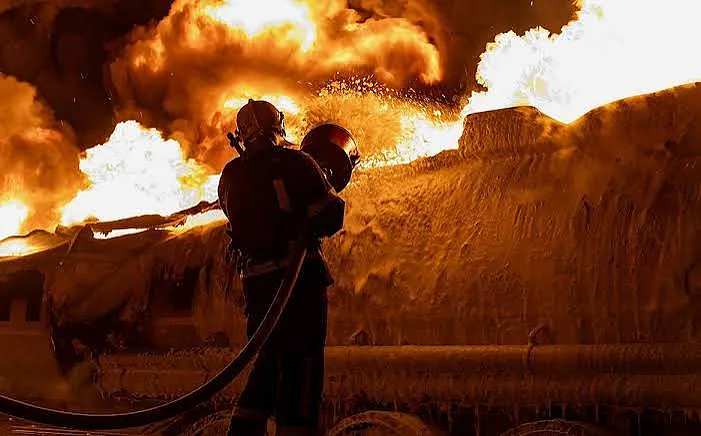
With massive strikes on energy infrastructure, Russia aims to deprive Kyiv, Kharkiv and Odesa of electricity, heating and water almost entirely. The Russian command has allocated one month to disable a significant portion of Ukraine’s energy infrastructure. The ultimate goal of this plan is to force Ukraine to capitulate this winter.
This scenario is described in information about an intercepted Russian strike plan. The projected consequences depend on whether it can be carried out; this is not a report of damage to the energy system that has already occurred.
The plan calls for the following to critically damage the life-support systems of the three largest Ukrainian cities:
- about 70 ballistic missiles;
- 720 long-range drones;
- 150 guided aerial bombs.
The number of ballistic missiles and drones in this scenario is roughly equal to the number of such weapons that, on average, get past Ukrainian air defenses over the course of a month. Moscow hopes to achieve this way what it has failed to accomplish during the previous four winters of the war.
If the Russian command succeeds in carrying out the plan, the consequences for the cities could include:
- the loss of up to 90% of available power generation capacity;
- a 90% reduction in heating supply;
- serious disruptions to water and sewage systems.
Ukrainian officials and experts assess the current threat as particularly serious. In their assessment, Russia’s stockpiles of missiles and drones have grown significantly. At the same time, Ukraine’s air defenses lack ammunition, and energy facilities remain vulnerable after previous attacks.
Yesterday’s Russian strike illustrates the scale of the danger: Ukrainian air defenses managed to destroy only four of the 39 ballistic missiles launched. A significant portion of the missiles were aimed at energy infrastructure.
One of the most pressing problems is a shortage of US interceptor missiles for Patriot systems. These systems play a key role in defending against ballistic missiles.
New Russian jet-powered drones pose an additional risk. Unlike conventional attack drones, they can reach speeds of several hundred kilometers per hour, significantly reducing the time available to detect and intercept them.
Ukraine is trying to accelerate the development of its own countermeasures against such targets. At the same time, it is seeking additional weapons supplies from Western partners to strengthen its air defenses.
We previously reported:
- Ukraine receives three times fewer missiles for Patriot: Zelenskyy suggests political pressure from partners
- Stocks depleted: Zelenskyy asks Trump for 300 Patriot interceptors before winter
- New PAC-3 missiles are on the way: Ukraine agrees on a Patriot package with the US
- Ukraine’s air defenses on “starvation rations”: Ihnat reports a shortage of missiles for Patriot, NASAMS and IRIS-T
- Occupiers will continue attacking Ukraine’s critical infrastructure in winter, says Armed Forces of Ukraine