Phantom humanoids are being tested in Ukraine during the war
MK‑1 prototypes have already carried out deliveries in high-risk areas; an improved version with greater autonomy is expected within 12–18 months


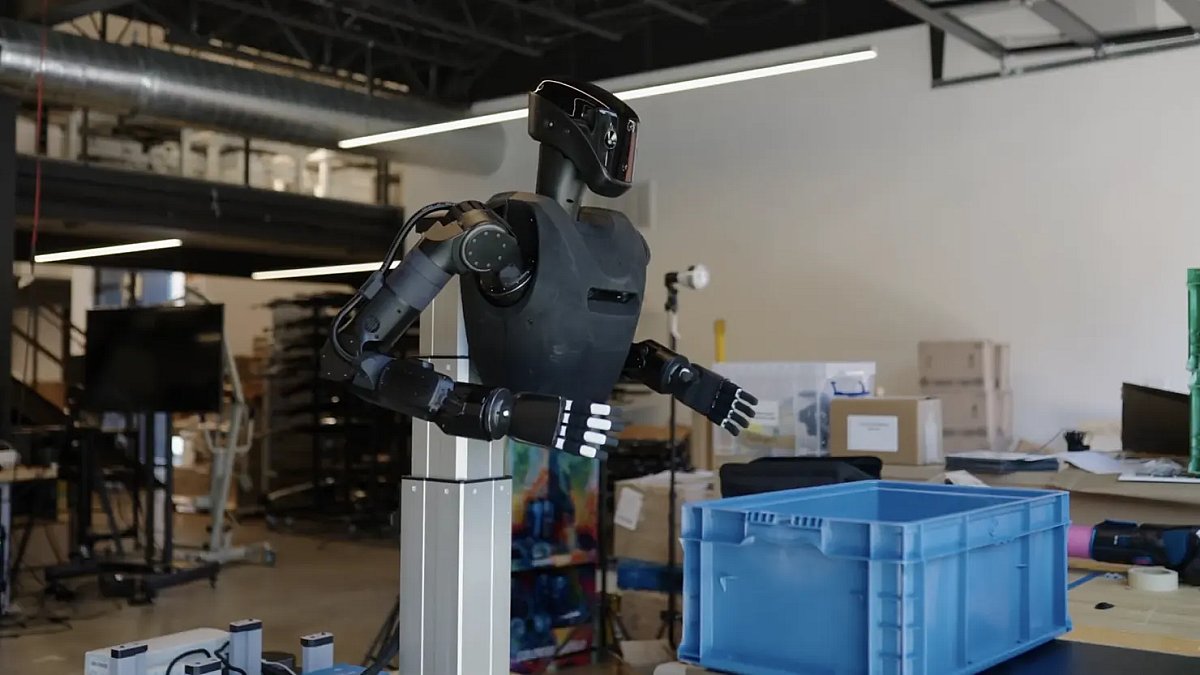
American startup Foundation Future Industries from San Francisco is conducting tests of humanoid robots in Ukraine under real wartime conditions, where the technologies are being evaluated during dangerous missions and logistical operations.
According to CNBC, Ukraine has become one of the first proving grounds for demonstrating and testing the company’s autonomous systems, in particular dual-use humanoid platforms capable of working in industry as well as carrying out risky tasks such as military logistics and supporting units at the front.
The company reports that early prototypes of the Phantom MK-1 were tested in Ukraine, being used to transport cargo and ensure supply in potentially dangerous areas, which, according to the developers, helps reduce risks to military personnel during manual execution of such operations.
The developers consider Ukraine a key location for testing due to the active use of robotic solutions in combat, where ground platforms and unmanned systems are already used for reconnaissance, logistics, and strike missions.
Foundation Future Industries emphasizes that field tests allow a real assessment of humanoid effectiveness in combat conditions, however current prototypes are still limited by payload capacity, autonomy, and resilience to external factors.
In the near plans — sending to Ukraine an improved Phantom 2 model with expanded capabilities and greater autonomy, as well as scaling production and deepening cooperation with U.S. military structures over the next 12–18 months, while the total portfolio of government contracts is estimated at approximately 24 million dollars.
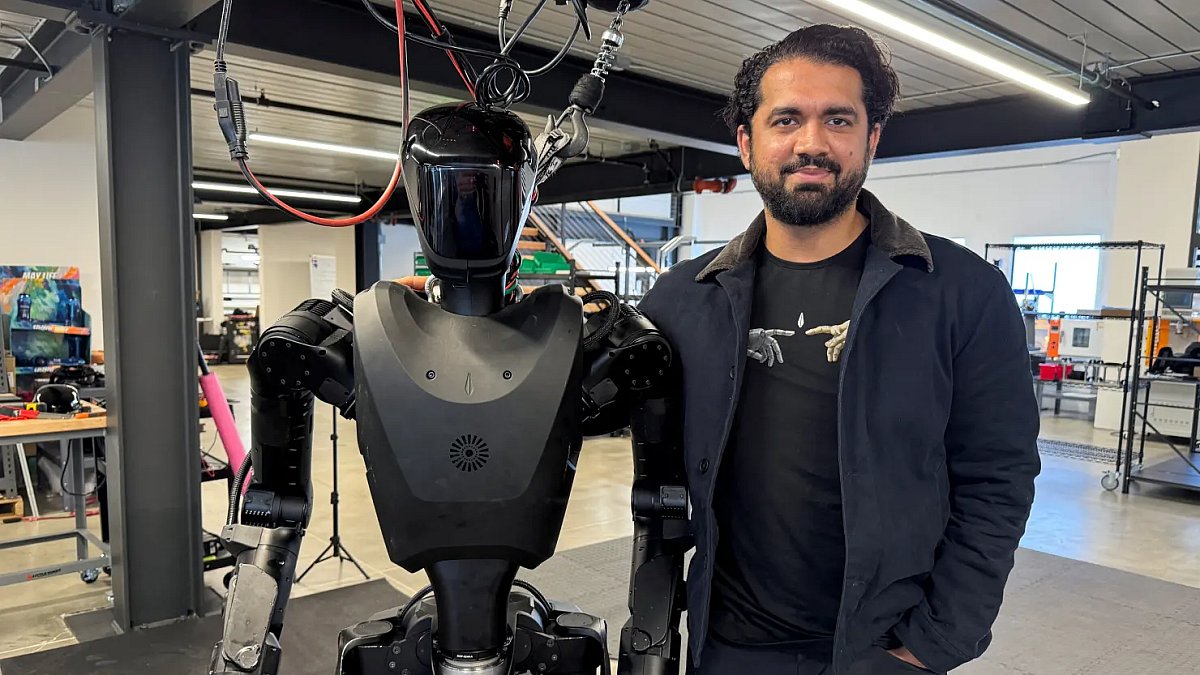
The project attracts additional attention due to ties with influential American political and business circles, including the involvement of Eric Trump as a strategic adviser.
Experts emphasize that Ukraine is rapidly becoming an important platform for testing the latest military technologies, including autonomous systems, but mass deployment of humanoid robots on the battlefield is hampered by high cost and technical complexity, as evidenced by the current limited use of such platforms; earlier it was reported that a robot with a machine gun in the Ukrainian Armed Forces held a position for more than a month.
Previously we wrote:
- 164 robotic strikes replaced 2,300 fighters: CNN showed how Ukraine is waging networked drone warfare
- Ukraine is introducing drone-assault units: new territories have been liberated in the south since February
- Ukrainian bomber drones passed tests under electronic warfare at 20 km
- Ukraine is shifting the war into a new format: the Ministry of Defense launches an AI center for the front
- A domestic analogue of the Mavic, headline numbers and big promises from the new defense minister Fedorov