A serviceman with a spinal hernia was sentenced to five years for refusing to carry 40 kg of equipment
The Military Medical Commission’s finding of limited fitness was not grounds for acquittal


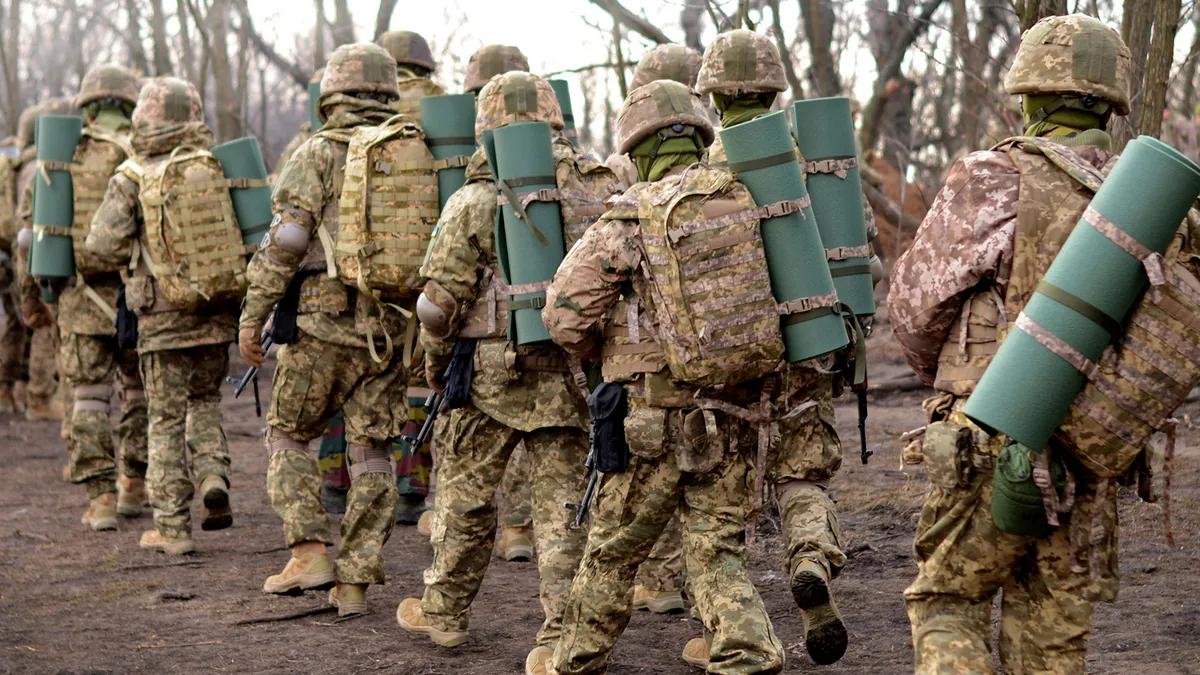
The court in Zaporizhzhia sentenced a mobilized serviceman to actual imprisonment, finding that his refusal to comply with a combat order constituted deliberate disobedience under martial law. The soldier pleaded not guilty, arguing that his health prevented him from physically carrying out the task. The circumstances are described in case file No. 332/7108/23.
The serviceman served as a senior rifleman-operator on the Zaporizhzhia front. During a formation of a mechanized company, he and two other servicemen were given a combat order. They were to cover part of the route by vehicle and then walk 5–8 kilometers carrying equipment weighing around 40 kilograms.
The soldier and his fellow servicemen publicly stated that their health prevented them from carrying out the task. He was then detained by representatives of the Military Law Enforcement Service and handed over to investigators from the State Bureau of Investigation.
In court, the accused explained that he had previously been stationed in the rear and assigned to guard equipment because of his injuries. According to him, after the unit suffered heavy losses, the command began sending practically all servicemen to positions. He claimed that he had repeatedly complained about his spine, back pain and the effects of a concussion, and had asked to be referred for examination and proper treatment, but this never happened.
The defense submitted medical documents confirming:
- chronic osteochondrosis;
- a spinal hernia;
- third-degree disability, assigned before the full-scale war began.
The lawyers also submitted a report from the Military Medical Commission (MMC), which had found the soldier fit for military service with restrictions. The document was issued two weeks after the incident.
Witnesses gave differing accounts of the serviceman’s condition. His commanders said he appeared healthy and did not name any specific diagnoses during the formation. However, one of his fellow servicemen confirmed that he regularly complained of severe headaches and back pain.
In assessing these circumstances, the court noted that the soldier had no written medical opinion on the day he received the order stating that he was unable to participate in the combat mission. The court also took into account that the serviceman had last received treatment approximately six months before the incident.
The court disregarded audio recordings of conversations between the soldier and officers because no expert examination had been conducted to identify the speakers’ voices. The MMC report was also not grounds for acquittal, as it had been obtained after criminal proceedings began.
On November 20, 2026, the Zavodskyi District Court of Zaporizhzhia found the serviceman guilty under Part 4 of Article 402 of the Criminal Code of Ukraine and sentenced him to 5 years in prison without probation. The serviceman will remain out on bail until the verdict becomes final.
We previously reported:
- The MMC found him fit for service, but the serviceman secured a review of the decision in court
- Some AWOL cases may be taken away from the SBI: investigations to be handed over to the military
- Court in Mykolaiv: queues at the MMC led to a serviceman spending five years behind bars
- “Mild intellectual disability cannot be an obstacle to mobilization in the rear,” says Odesa Regional Recruitment Center
- Ukrainian serviceman sentenced to 5 years in prison for failing to report for duty on time after two concussions