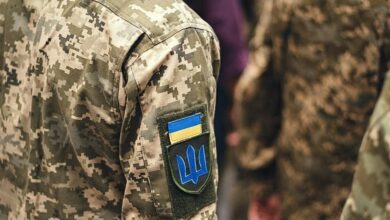
Nearly 600,000 military personnel have provided DNA samples to identify the fallen
Orphaned military personnel have priority in the selection of biomaterial


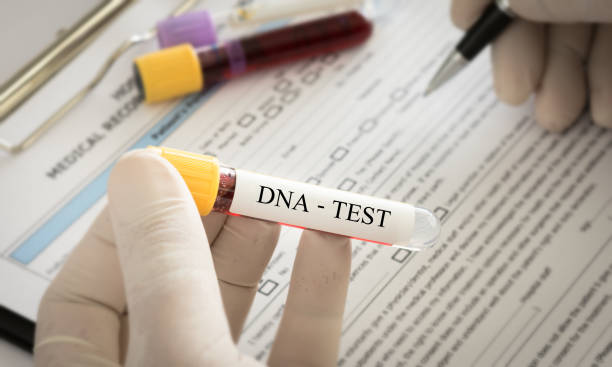
Biological samples from nearly 600,000 service members have already been collected in the Ministry of Defense of Ukraine’s DNA reserve. They help identify defenders who have been killed or gone missing. The data from the ministry are reported by Ukrainska Pravda (life.pravda.com.ua).
The need for identification remains significant: more than 26,000 bodies have been returned to Ukraine as part of repatriation efforts, but many remains have yet to be identified.
More than 92% of the collected biological material is stored at the Ministry of Defense Center for Genomic Information Records. The rest has been transferred to law enforcement agencies. The genomic registration of service members has been in place since the summer of 2023; since then, investigative units of the Ministry of Internal Affairs have received more than 5,500 samples to investigate cases involving missing service members.
Samples are collected as a priority from orphaned service members. Military units have been instructed to keep separate records of their status and whether they have provided a biological sample.
“If an orphaned service member has no relatives whose DNA can be compared with theirs, their sample may prove decisive in identifying them if their body is repatriated. That is why we have instructed military units to separately record the status of such service members and whether a biological sample has been collected from them. It is important to do this in advance so that no one remains unidentified,” the Ministry of Defense explained.
To keep the system running continuously, the ministry is purchasing special test kits. During 2026, it received 270,000 kits.
Under martial law, service members are legally required to provide DNA samples. The data collected may be used only to identify the deceased and may not be used in any other investigations.
“A simple, non-invasive method is used to collect samples: a swab is taken from the inside of the cheek using an applicator. The procedure is safe and painless and is carried out in accordance with established standards,” the Ministry of Defense clarified.
In addition to genomic registration, the ministry is preparing to introduce two more identification methods:
- Fingerprinting — electronic prints of service members’ fingers, palms, and feet are planned to be collected. The procedure is currently being approved, and software is being selected.
- Dental records — specialists are drafting a bill that would provide for recording service members’ dental data.
We previously reported:
- More than 26,000 bodies returned to Ukraine — many of the deceased have yet to be identified
- For now, only codes instead of names: 76 unidentified defenders buried in Mykolaiv
- The Ministry of Internal Affairs launches an online service to identify missing people by their tattoos
- Ministry of Defense: Nazar Daletsky’s family should not have to repay benefits after his return from captivity
- Investigators, families, and service members: together in search of the truth