Only 2% of all mobilized personnel reach the front line — Lubinets
Lubinets also spoke about the new illegal "fare" for minibus trips abroad

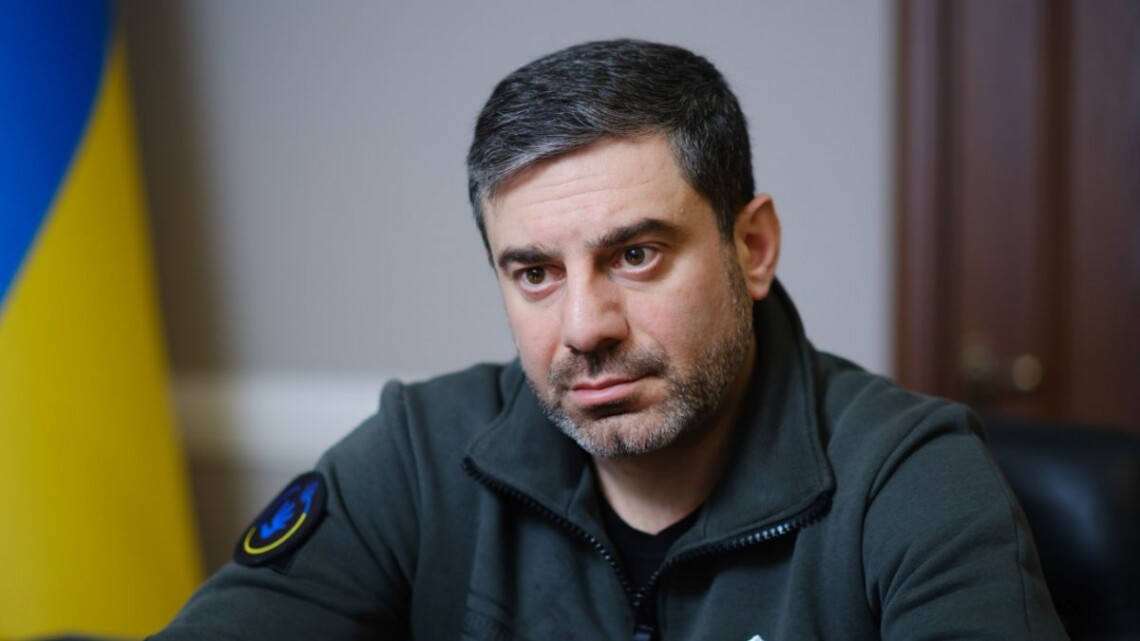
The Verkhovna Rada of Ukraine Commissioner for Human Rights Dmytro Lubinets reported information about a new corruption “turnkey service” and the fact that only 2% of the total number of mobilized people reach the front line. In a border region, a conscript can allegedly be smuggled out of Ukraine directly from a van for $50–70 thousand. He said this on September 1, 2026 in an interview with “Ukrainska Pravda”.
Lubinets said: only 2% of mobilized people reach the front
The striking figure was confirmed by the ombudsman in conversation with journalists — 2%. According to Dmytro Lubinets, that is approximately the share of the total number of mobilized people who, within a month, actually reach the front line. At the same time, this is the ombudsman’s estimate: the interview does not provide separate official statistical data from the General Staff or the Ministry of Defense to confirm this figure.
The ombudsman considers it wrong to evaluate the work of regional TCCs solely by the number of mobilized people. He proposed assessing their effectiveness by how many of those selected actually reach units and can perform tasks at the front. According to Dmytro Lubinets, he passed the relevant recommendations to the current commander-in-chief Mykhailo Drapatyi.
According to Dmytro Lubinets, the problem of corruption in the mobilization system, in his assessment, has manifested most acutely in Zakarpattia. At the same time, in frontline Zaporizhzhia and Kharkiv, the ombudsman claims, this factor is practically absent. He links this difference, as well as the greater number of conflicts around TCCs in regions farther from the front, to problems in state policy on mobilization.
Talking about information that his office is currently verifying, Dmytro Lubinets named the cost of the new “service” and specifically drew attention to the situation in Zakarpattia.
“One of the latest stories that we are still confirming: in a border region a new ‘turnkey’ service has appeared — a person can pay from $50 to $70 thousand, and then they are taken straight from a van and smuggled out of Ukraine. Moreover, the corruption factor has developed most intensely in Zakarpattia, but it is practically non-existent in Zaporizhzhia or Kharkiv. The same with attacks on TCCs — the farther from the front, the more this happens. But again, I primarily link this to failed state policy,” — Lubinets.
$10,000 — to get out of the van, $15,000 — from the TCC
In the interview, the ombudsman also confirmed his previously voiced claims about the so-called “buyout” during mobilization. According to Dmytro Lubinets, the unofficial “price” for the possibility of leaving a TCC van may be around $10 thousand, and for leaving the TCC premises — about $15 thousand.
At the same time, the ombudsman spoke of “total corruption” in the mobilization system, which, in his view, began to spread after the introduction of quantitative recruitment targets. He asserts that the situation in which a person fit for service can pay to avoid mobilization forces the system to look for others to meet the set targets.
Separately, Dmytro Lubinets cited examples found during inspections in Zakarpattia. According to him, one person stayed in a TCC building for 55 days, and in another case it involved a veteran who fought in Bakhmut. The ombudsman also reported a case when 1,500 young men were removed from the military register in one day, after which some of them left the country within a week.
He also claims there were cases with students who were allegedly offered to pay $15 thousand for the opportunity to leave the TCC, otherwise being threatened with loss of deferment. According to Dmytro Lubinets, he publicly speaks about only about 1% of the situations his office uncovers.
Also, in May 2026 Dmytro Lubinets reported that since the start of the full-scale invasion his office had received almost 12 thousand complaints about possible violations of citizens’ rights during mobilization. And on July 1, 2026 the ombudsman publicly opposed defining the effectiveness of mobilization primarily by quantitative indicators.
Earlier we wrote:
- A stash in a car for 10 thousand euros: a scheme to smuggle people abroad was uncovered in Mykolaiv
- TCC leadership posts are allegedly valued at $50–150 thousand — MP
- For $16 thousand in Mykolaiv they promised to remove a man from military registration
- For some — mobilization, for others — “Oberih”: the head of the Mykolaiv TCC was caught over $15 thousand
- He valued influence on a TCC at $2,500: in Mykolaiv region a city council official was placed under house arrest