120 rockets to strike Ukraine: Russia deploys a DPRK unit in Voronezh Oblast
According to the GUR, Pyongyang has already delivered a new batch of 40 KN-23 and KN-24 missiles


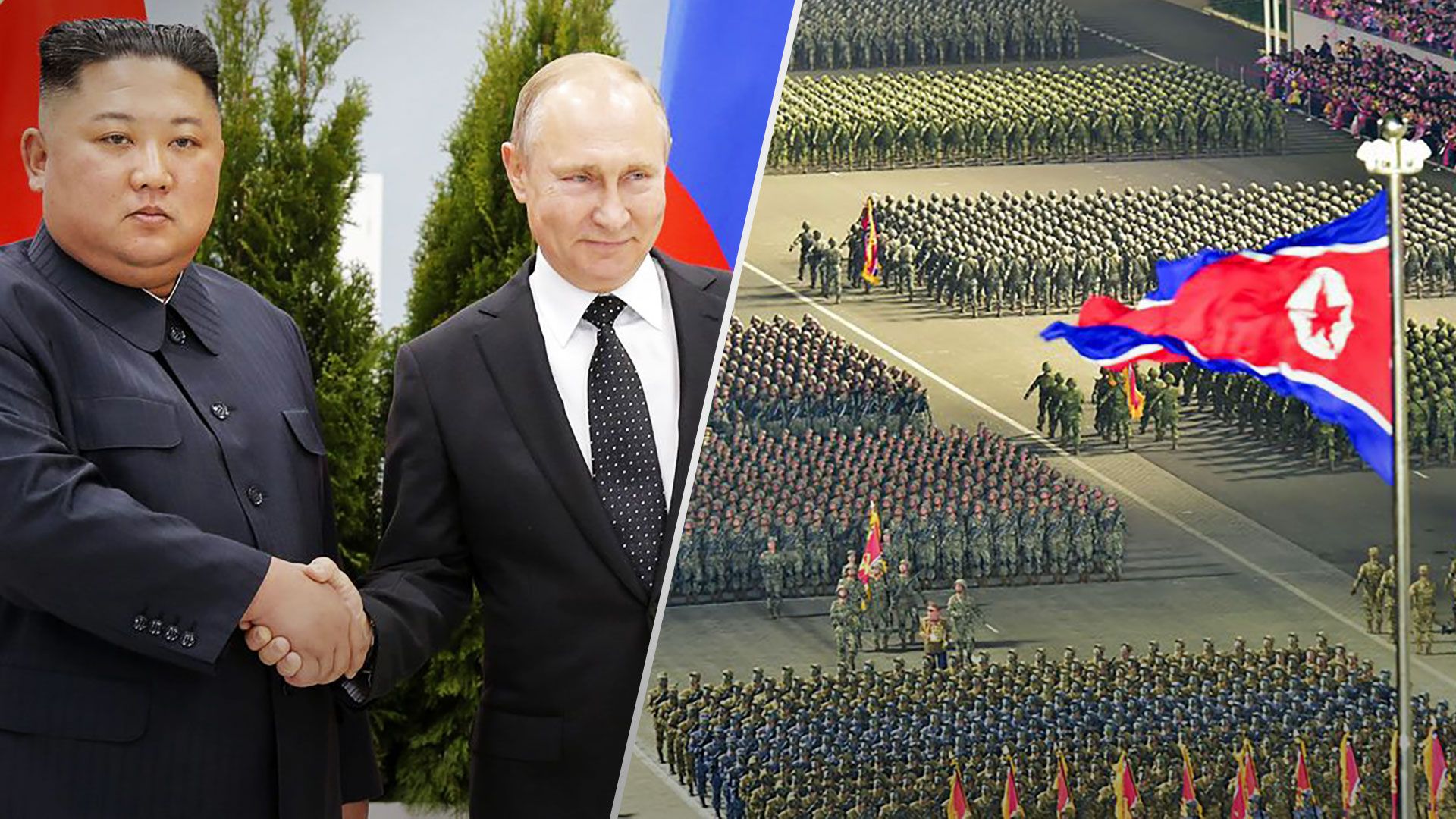
In the western part of Russia, the deployment of a North Korean missile unit has begun, which could be armed with 120 ballistic missiles KN-23 and KN-24 and 6 launchers for strikes against Ukraine. According to Ukrainian military intelligence, the unit is expected to include about 90 DPRK service members.
On 5 August 2026, Reuters reported this, citing a representative of the Main Intelligence Directorate of the Ministry of Defense of Ukraine, Andriy Chernyak.
North Korean personnel are planned to be stationed in the Voronezh region of Russia as part of the Russian army’s 112th Rocket Brigade. The deployment of such a unit would represent a further deepening of military cooperation between Moscow and Pyongyang and the direct involvement of DPRK missile forces in supporting Russian strikes on Ukrainian territory.
According to Andriy Chernyak, North Korea has already sent to Russia a new batch of 40 KN-23 and KN-24 missiles as well as military personnel. It is expected that the final configuration of the unit, the number of missiles involved, and the role of the North Korean personnel will be agreed during high-level talks in September 2026.
Overall, the Russian side expects to receive for the new unit 120 North Korean ballistic missiles and 6 launchers. At the same time, it is not yet known whether North Korean service members will prepare and launch the missiles themselves or perform maintenance, training, and support functions for Russian crews.
Reuters noted that it was unable to independently verify the Ukrainian intelligence information. Russia’s Ministry of Defense and the DPRK mission to the United Nations did not respond to the agency’s requests for comment.
Information about the unit’s deployment emerged after Russian forces for the first time since August 2025 again used North Korean ballistic missiles against Ukraine. According to the Ukrainian side, over the previous week the enemy launched at least 2 KN-23 or KN-24 missiles from the new batch.
One of those missiles destroyed a residential house in the village of Radushne near Kryvyi Rih. The strike killed 5 members of one family — the parents and 3 children. Ukrainian radars recorded trajectories characteristic of North Korean KN-23 or KN-24 missiles, but the ultimate origin of the munitions was to be confirmed after analysis of the debris.
The KN-23 and KN-24 missiles have a longer range and can carry a more powerful warhead than the Russian ballistic missile “Iskander-M”. At the same time, according to Ukrainian military sources, the North Korean missiles are less accurate than the Russian analogue. Because of significant deviations from intended targets, their use has already led to large civilian casualties.
Russian forces began using KN-23 and KN-24 missiles against Ukraine at the end of 2023. According to Andriy Chernyak, from late 2023 until August 2025 Pyongyang delivered about 150 such missiles to Moscow. In addition to ballistic missiles, the DPRK supplies the Russian army with millions of artillery shells.
According to Ukrainian intelligence, in 2024 North Korea sent 14,000 service members to Russia’s Kursk region to help the Russian army resist a Ukrainian operation in the area. As of August 2026, about 9,500 North Korean troops may remain there, although they are reportedly not currently taking direct part in hostilities against Ukraine.
In addition, Ukrainian authorities previously reported that Russia was preparing to receive another 30,000 DPRK service members. Infrastructure for them has been being set up in the Voronezh region since June 2026. Ukrainian President Volodymyr Zelensky also said that North Korea is preparing to transfer new ballistic missile launchers to the Russian army.
The deployment of additional ballistic assets poses a particular threat to Ukraine, since such missiles fly at high speed and can be intercepted by only a limited number of modern anti-missile systems. One of the main means to combat them remains the US Patriot systems, rockets for which Ukraine critically lacks.
An increase in the number of ballistic missiles may be part of Russia’s preparation for new massive strikes, in particular against Ukraine’s energy infrastructure during the autumn-winter period. Experts interviewed by Reuters emphasized that countering ballistic targets remains one of the most vulnerable areas of Ukraine’s air defense.
Cooperation between Russia and the DPRK has significantly intensified since the start of the full-scale invasion of Ukraine on 24 February 2022. In 2024, the aggressor states signed a mutual defense pact. In exchange for missiles, munitions, and manpower, North Korea receives money, technology, and experience from Russia in using its weapons in modern warfare.
Previously we wrote:
- Now they have “deadly accuracy”: Budanov on North Korean missiles modernized by Russia
- “We brought the war back home — to Russia”: Six months since the Armed Forces of Ukraine’s Kursk operation
- A year of terror: how 2024 became even more tragic for Ukrainians
- The DPRK and Russia are losing in the Kursk region: a new stage of mass rout
- World war has already begun, and it can be stopped in Ukraine