Without coffins and with a pension run costing $300: Life in occupied Hola Prystan
A community resident spoke about being denied medical care and the occupiers’ violence


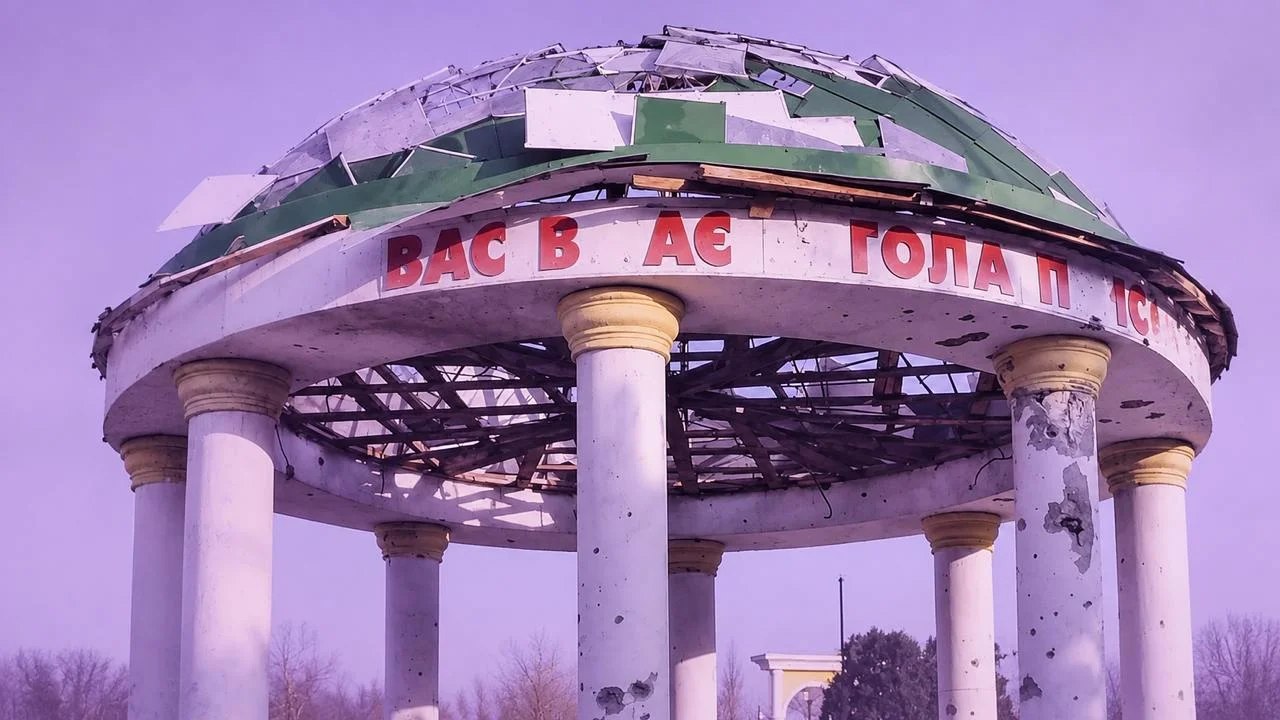
Residents of the temporarily occupied Holoprystan community in Kherson region pay around 25,000 rubles—approximately US$300—for a private car trip to a hospital or to apply for and collect their pension. A resident of Hola Prystan, Vadym, told the publication MOST about these expenses and living conditions under occupation.
The interviewee’s name has been changed for his safety. The man managed to leave the occupied territory in late October, during the evacuation from Oleshky.
According to him, the Russian military dismissed all the postal workers, so pensioners no longer have their cash delivered to their homes. To collect their payments, people have to travel to Zaliznyi Port, which the article identifies as a settlement in the Skadovsk community.
According to the interviewee, there are no funeral services either in the city or in the surrounding villages. As a result, the dead are often buried right in yards or vegetable gardens. Burials in cemeteries also take place without coffins: cardboard boxes or makeshift plywood boxes are used instead.
“The truth is, we all dream of Ukraine returning there, not of us returning to Ukraine. People simply want to live. All these settlements within a 15-kilometer strip along the river are now without electricity or gas, and mostly without water and food,” Vadym stressed.
He was referring to the strip along the Dnipro. There are no organized food deliveries there, and prices at the few private shops have gone up three to four times. The man cited the following prices:
- a loaf of bread — from 150 rubles;
- meat — from 1,000 rubles.
According to the resident, not a single medical facility is operating in Hola Prystan. An ambulance only goes as far as the Zhuravel market on the outskirts of the city. The only outpatient clinic is in the village of Nova Zбур’ївka, but patients without a Russian passport or insurance are turned away.
Vadym himself went to that clinic only once—in August. On his way to the market, he suddenly felt dizzy, so he decided to have his blood pressure checked. The clinic’s head immediately demanded either a Russian passport or an individual account number in Russia’s pension insurance system—SNILS.
“When I said I had neither, she immediately called me a ‘waiter’ [someone waiting for Russia to leave] and refused to see me. Can you imagine a medical facility’s head refusing to provide someone with care?” Vadym recalled.
According to the man, the Russian military is causing the greatest suffering for local residents. He claims the occupiers use the community for training, and mark the surrounding villages as a “training ground” on their navigation systems.
“There is no Hola Prystan, no Stara Zбур’ївka, no Nova Zбур’ївka—just a training ground. They bring their soldiers there and teach them to shoot small arms and mortars and operate drones—and they practice all of it on living people,” Vadym said.
The man says that he and his fellow villagers have repeatedly seen Russian soldiers, for amusement:
- kill domestic animals in people’s yards;
- deliberately run over passersby with vehicles;
- shell residential buildings.
In summer, according to the interviewee, Russian forces drop incendiary mixtures from drones onto residents’ vegetable gardens. At the same time, the occupiers prevent emergency crews from responding to calls and extinguishing fires in private yards.
We previously reported:
- Food is running out, and people are not allowed to leave: residents trapped on occupied Kinburn
- Via Russia and Belarus: evacuated residents of Oleshky make it to Ukraine
- Ceasefire extended beyond Oleshky to let humanitarian convoys through
- Russians intimidate Ukrainians in occupied territories for refusing Russian passports: Ukraine’s HUR reports on Operation “Illegal-2026”
- Hunger drives people from their homes, while roads are mined: residents of Oleshky escape without an evacuation