An ancient cromlech in Mykolaiv Oblast will be moved to a museum to preserve the landmark
The stones have already been numbered to reconstruct the structure in Pivdennoukrainsk


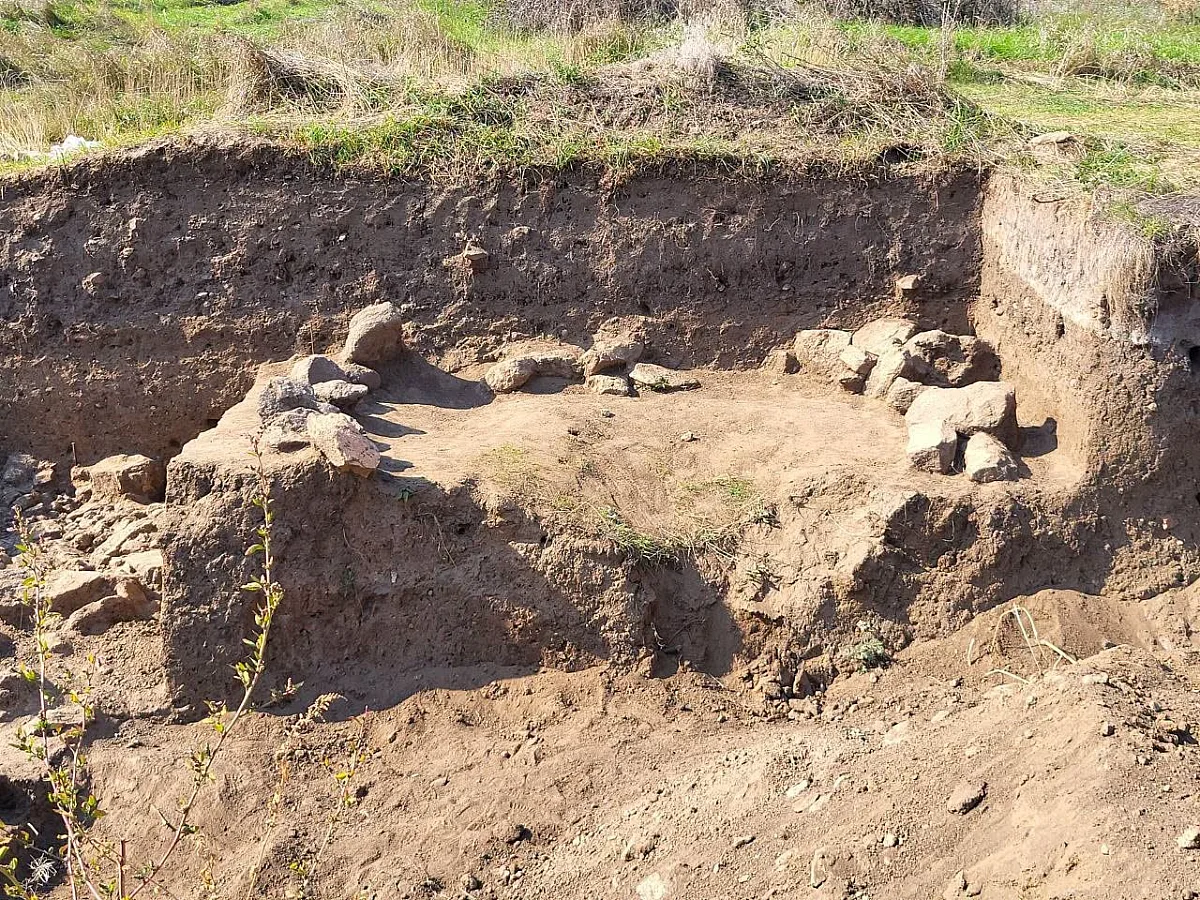
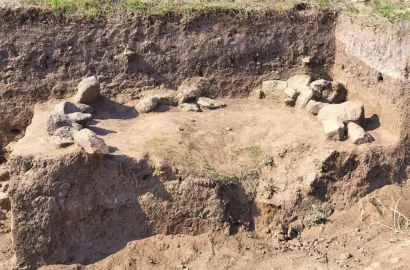
A more than 5,000-year-old cromlech being studied near Yuzhnoukrainsk in Mykolaiv Oblast is set to be moved to the city history museum. The stone circle is blocking access to deeper cultural layers of the settlement, so archaeologists proposed preserving the monument after dismantling it and reconstructing it for visitors.
The structure, made of large stone blocks, was discovered at a depth of about one meter, as the team worked toward older layers. The circle was likely used for sacred or ritual purposes.
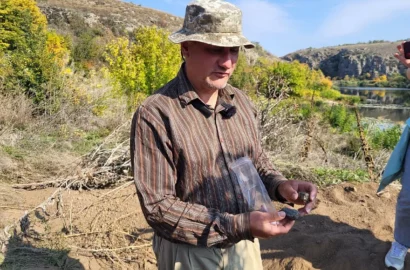
“It’s a very interesting structure. It dates to the transition from the Copper Age to the Early Bronze Age, around 3200 BC,” said expedition leader Serhii Telizhenko.
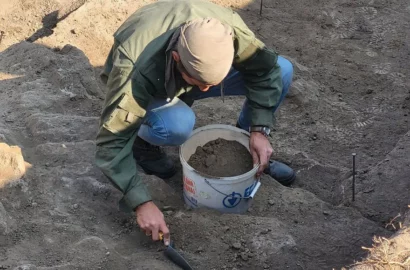
Research on the cromlech did not begin this season: its main section was studied back in 2023. At the time, archaeologists dismantled the eastern section of the circle and examined the burial inside. This season, they cleared most of the stone structure, which had previously remained underground.
The preserved section of the cromlech had to be dismantled to allow further excavations. To restore the elements to their original positions later, the researchers numbered each stone and documented the entire structure in a detailed plan.
Activists from the public organization “GARD Tourism” are helping organize the transportation. They have already found sponsors willing to provide equipment to transport the heavy blocks. The plan is to move the stones from the right bank of the Southern Bug to the left bank, transport them to the museum, and install them according to the prepared layout. The reconstructed circle will become a museum exhibit open to visitors.
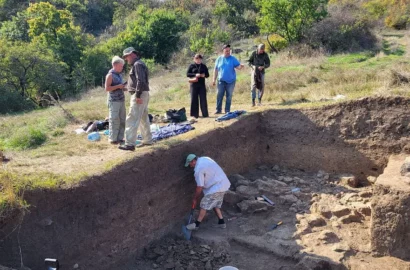
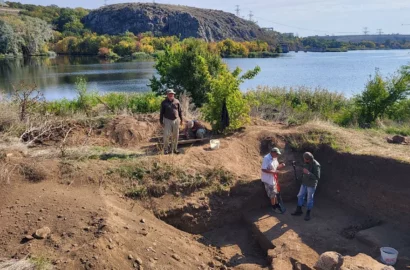
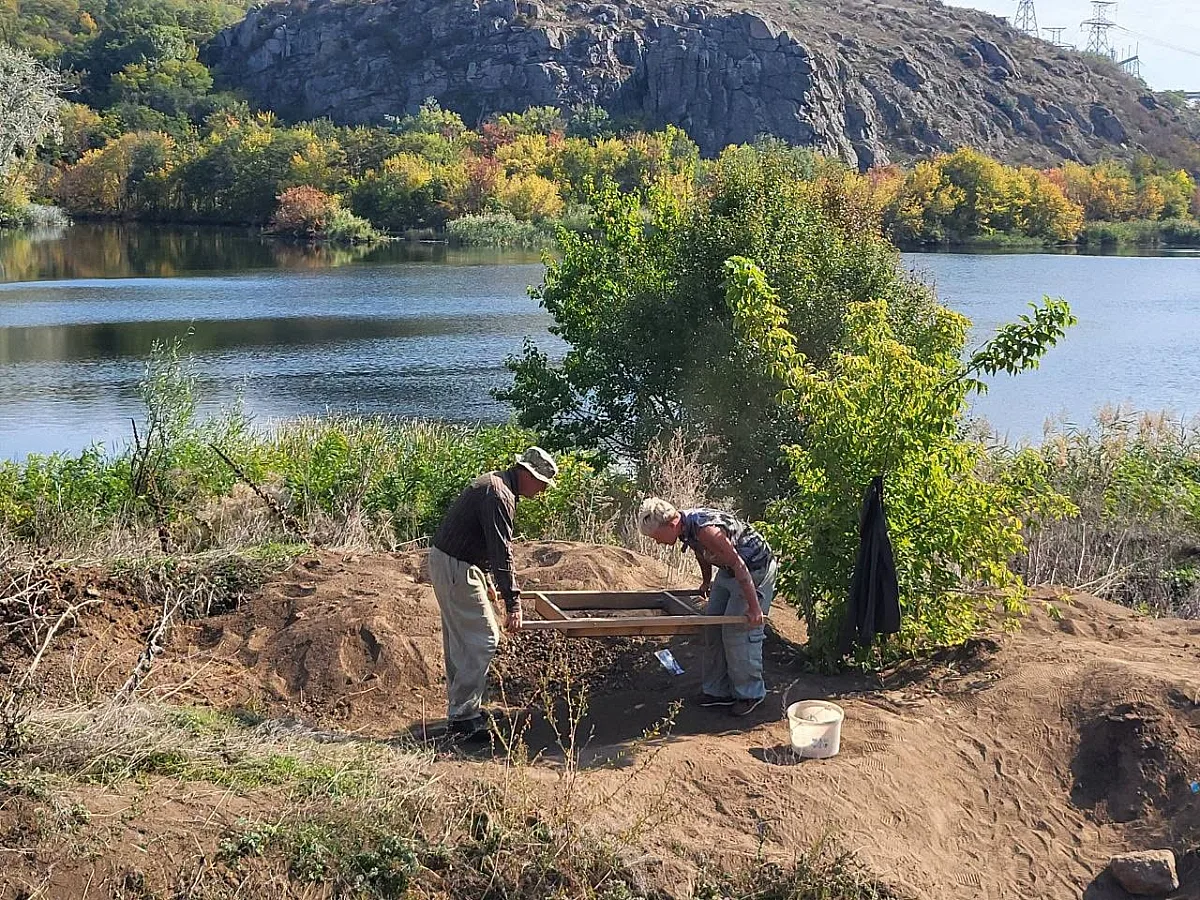
The excavations are being conducted by the Mykolaiv Archaeological Expedition of the Institute of Archaeology of the National Academy of Sciences of Ukraine. The team is continuing its study of the multi-layered Gard-1 settlement, located on the lower part of the slope on the right bank of the Southern Bug, opposite the Puhach, Sova and Brama rocks.
Archaeologists have been working in the area around Yuzhnoukrainsk for more than 40 years. Until 2023, excavations at this settlement were led by Mykola Tovkailo. The research is now being continued by a new generation of scholars led by Serhii Telizhenko.
This year, the expedition began fieldwork on September 18. For a month, the researchers worked in previously unexplored sections of the settlement.
“Our goal is to study parts of the settlement that have not yet been examined. This year’s findings are fairly modest. We are most interested in materials from the Bug-Dniester culture,” said Serhii Telizhenko.
According to the expedition leader, people of this culture mostly hunted, fished and gathered food. At the same time, they were already making ceramic vessels and cooking in them.
During the excavations, archaeologists found:
- animal bones;
- several teeth of the vimba bream;
- stone scrapers;
- worked blades;
- trapezoidal arrowheads used by ancient hunters to hunt animals.
Human remains had also been found in the upper soil layers. Last year, for example, researchers discovered bone, skull and jaw fragments. They were initially associated with the Bug-Dniester culture, but further study revealed a different origin: the remains date to an early stage of the Cucuteni–Trypillia culture, that is, the Copper Age.
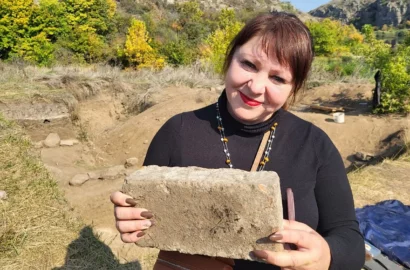
While preparations are underway to move the cromlech, another find has already been handed over to Zoreslava Klymenko, director of the Yuzhnoukrainsk City History Museum. It is a brick from an 18th-century foundation discovered in the upper soil layers during the excavations.