Now everything will be caught on camera: TCK minibuses in Mykolaiv will be equipped with cameras
After mobilization scandals - total video surveillance: the Regional Military Administration demands cameras in the vehicles of Mykolaiv's Territorial Recruitment Center


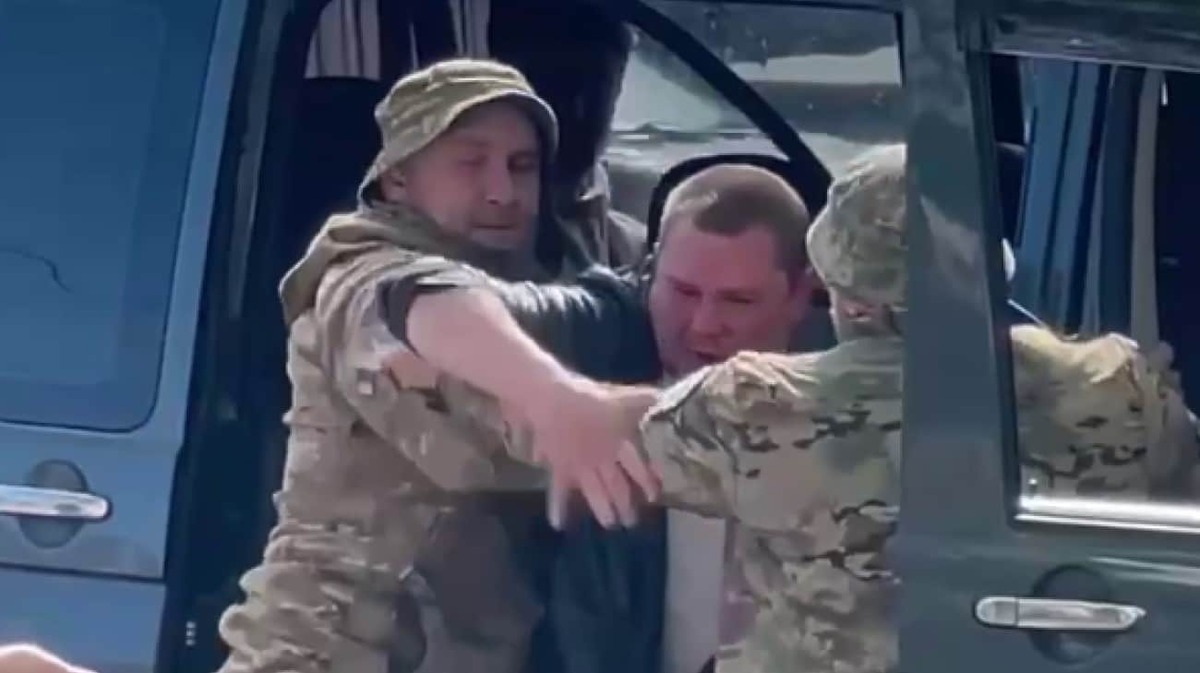
In Mykolaiv, vehicles used during the work of the TCK and SP must be equipped with round-the-clock video surveillance cameras. This was reported on September 2, 2026 by Member of Parliament Oleksiy Honcharenko, who published a letter from the Mykolaiv Regional Military Administration signed by acting head of the OVA Heorhii Reshetilov. According to the MP, Mykolaiv became the first city where, after recommendations of the parliamentary Temporary Investigative Commission, such control began to be practically implemented.
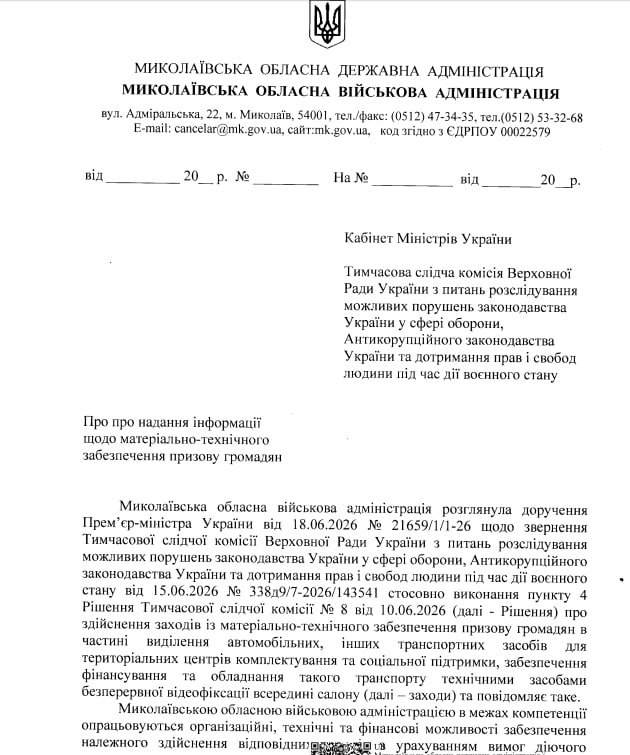
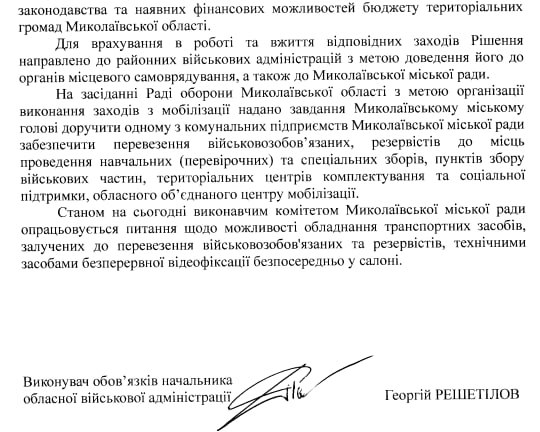
This concerns the installation of cameras directly in the vehicles that TCK representatives use during mobilization activities. According to Oleksiy Honcharenko, the OVA obliged the Mykolaiv City Council to ensure the placement of such equipment. At the same time, the MP’s public post does not currently specify the purchase cost, the number of cameras, the timeline for their installation, or the source of funding.
As the Member of Parliament explained, back in June 2026 the Temporary Investigative Commission prepared a number of recommendations on video recording during mobilization. Among them was the installation of round-the-clock surveillance cameras in vehicles.
The issue of video recording the actions of TCK representatives has been raised at the state level before. In the parliamentary TIC report on possible violations of the law during the implementation of state defense measures, it was recommended to obligatorily use photo and video recording at all stages of mobilization activities, including during citizen notifications.
This issue has already had practical consequences in Mykolaiv. In August 2026, the Central District Court fined a serviceman 17 thousand hryvnias for failing to ensure continuous video recording with a body camera during the notification of citizens.
Member of Parliament Oleksiy Honcharenko, explaining the need for cameras in TCK vehicles, said that the Temporary Investigative Commission had repeatedly considered high-profile cases in which people reported violence during mobilization, and it was difficult to establish all the circumstances due to the lack of video.
“The Temporary Investigative Commission in June this year issued a number of recommendations on the use of cameras, one of which is round-the-clock surveillance cameras in vehicles. The Commission repeatedly reviewed cases when mobilized people were beaten, maimed or even killed in TCK vans, and events always remained in a fog, and we heard stories about how people ‘accidentally fell,’ ‘experienced epileptic seizures,’ and many other dubious explanations. Now that will no longer happen, because there is already a response and initial actions. Cameras in TCK vehicles will ensure legality and will help law enforcement better investigate possible illegal actions by TCK employees. Mykolaiv was the first to react; the OVA obliged the city council to place cameras in vehicles. Next — other cities and regions. The Temporary Investigative Commission will continue to work and finally put an end to illegal actions during mobilization,” — said the deputy.
Thus, the idea is not only to control the actions of TCK employees but also to create video evidence in case of conflicts, complaints, or criminal proceedings. Footage from the cameras could potentially allow law enforcement to establish what exactly happened in the vehicle during the transport of the person liable for military service, instead of reconstructing events only from the parties’ accounts.
The topic is especially relevant for Mykolaiv against the background of recent high-profile situations surrounding mobilization. In particular, on September 1, 2026, the family of a local cyclist stated that after a fall and an identity check he was taken to the TCK. Later, the patrol police reported a different version: there was no collision with a car, the man refused medical assistance and, according to law enforcement, voluntarily agreed to go to the TCK.
Earlier, a high-profile case was also caused by the story of a driver from a Red Cross evacuation mission who, after being stopped at a checkpoint in Mykolaiv region, was taken to the TCK. The head of the evacuation unit accused law enforcement of violations, while the police launched an internal investigation.
Earlier we wrote:
- In Mykolaiv the police stated that there was no collision with the cyclist: the man voluntarily went to the TCK
- After the accident — not to the hospital, but to the TCK: in Mykolaiv the cyclist’s wife reported a strange story
- “They tricked the driver out”: Red Cross leader accused the police of disrupting the evacuation from Kherson
- For some — mobilization, for others — “Oberig”: the head of the Mykolaiv TCK was caught with $15,000
- Turned off a body camera during notification — got fined: court in Mykolaiv punished a TCK representative