"Now is not the time": In Europe, calls were made not to negotiate with Russia, but to finish it off with sanctions
The Kremlin is looking for a way out, but in Estonia they advise not to open the doors


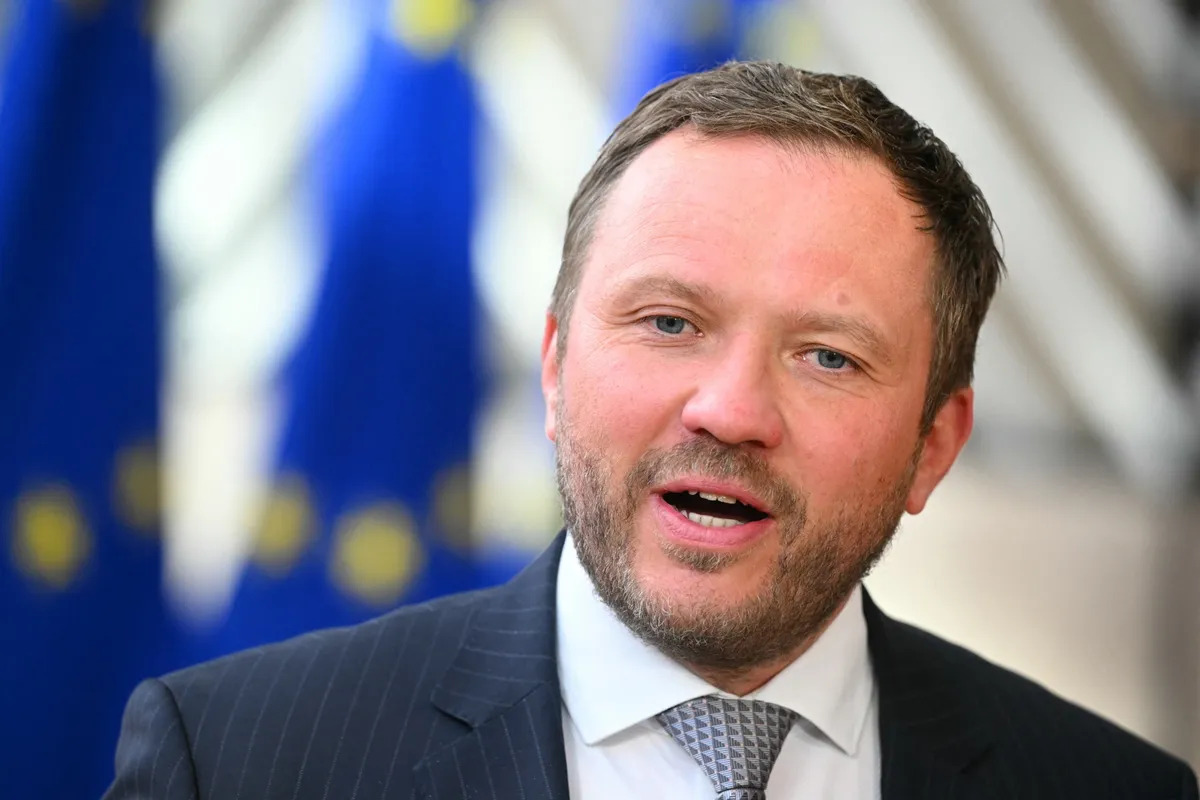
Estonia’s Minister of Foreign Affairs Margus Tsahkna said that Europe should not start direct talks with Russia right now, when Ukraine has stronger positions in confronting Russian aggression. He said this in an interview with Bloomberg on the sidelines of the Lennart Meri conference in Tallinn on Saturday, May 16, 2026.
According to Estonia’s top diplomat, Moscow has stepped up contacts with European countries not out of strength but because of its own problems: the Russian economy is weakening, and the military cannot achieve significant advances in the fifth year of the full-scale war against Ukraine. That is why, in his view, Europe’s response should not be concessions or a search for an “exit route” for the Kremlin, but new sanctions and additional pressure.
“Now is not the time to talk or negotiate. The moment has come to put pressure on Russia,” emphasized Margus Tsahkna.
The Estonian minister’s warning came against the backdrop of attempts by the United States to find a political settlement to the war in Ukraine that have effectively reached a dead end, and Washington’s attention has shifted to the war in Iran. At the same time, Europe is increasingly bearing the financial burden of supporting Kyiv, but, according to Tsahkna, this does not mean that European capitals should rush to Moscow for separate agreements.
The minister called it “very dangerous” for European politicians to decide that the weakening of Russia is a reason to immediately start talks with the Kremlin. In his view, it is now that Vladimir Putin is gradually losing room for maneuver, and numerous rounds of Western sanctions are already producing results.
Margus Tsahkna also pointed to internal signs of Russia’s vulnerability: rising discontent due to mobile internet shutdowns, economic instability, and a scaled-down military parade for Victory Day in Moscow on May 9. He also pointed to Ukrainian strikes on Russian oil and shipping facilities, including on sites deep inside Russian territory.
The diplomat also said that the tone in Europe is changing after Vladimir Putin lost an important ally in the European Union — Hungary’s Prime Minister Viktor Orbán, who had previously traveled to Moscow repeatedly and blocked some decisions regarding Ukraine. According to Bloomberg, after that the EU was able to agree on another package of sanctions against Russia and approve a loan for Ukraine of 90 billion euros.
Assessing the current situation, the Estonian foreign minister emphasized that allies are increasingly realizing the need not to ease but to increase pressure on the aggressor country.
“The tone has changed. Everyone understands that now is the right time to put pressure on Russia. The broader picture is that we see that Russia is now in a precarious position.”
Earlier we wrote:
- Zelensky warns of a bad premonition about peace talks with Russia
- Scandal: Trump’s special envoy thwarted the transfer of Tomahawk missiles to Ukraine!
- Mykolaiv residents don’t believe in “peace”: nearly half are categorically against the US plan
- Instead of victory — a truce? Europe and the US are preparing a plan for Ukraine