Signatures calling for Kim’s resignation are being collected in parliament after his controversial remarks about veterans
“European Solidarity” calls on other MPs to support the resolution on dismissal


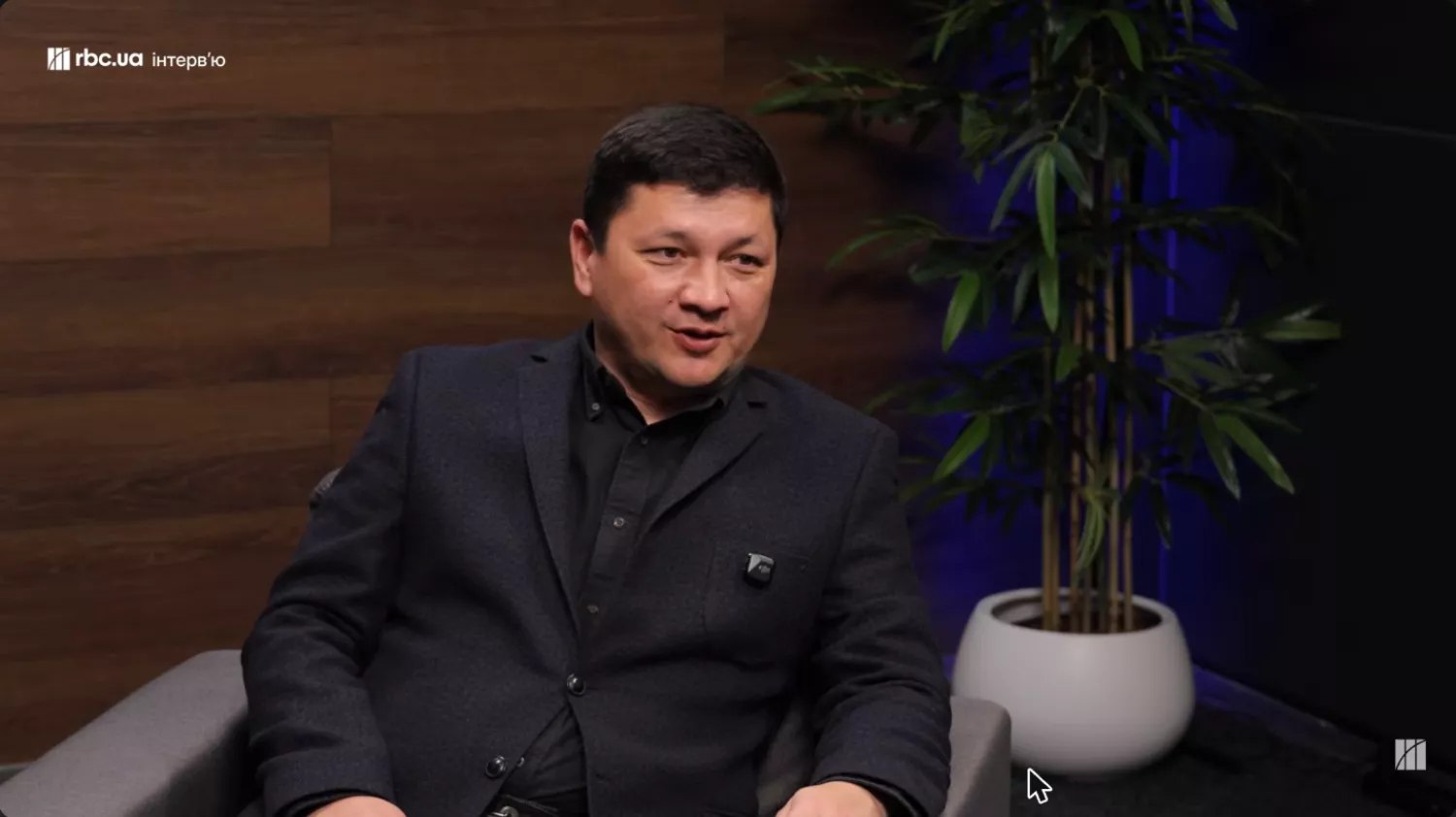
Signatures have begun circulating in the Verkhovna Rada calling for the resignation of Minister of Veterans Affairs and former head of the Mykolaiv Regional Military Administration, Vitalii Kim. The move followed his remarks about possible criminal activity after troops return from the front and about psychological support for veterans.
The initiative was announced on November 18, 2026, by Iryna Herashchenko, co-chair of the European Solidarity faction. Her statement was reported by MykVisti (Facebook post). According to the MP, her faction had initiated the registration of a resolution to dismiss the minister and invited representatives of other political groups to sign it.
“The minister’s resignation is also a demand of the veteran community, outraged not only by his latest scandalous remarks, but also by the ministry’s inaction and its complete lack of understanding of the principles of veterans’ policy, as well as its lack of empathy and proper communication,” Iryna Herashchenko wrote.
Vitalii Kim was appointed Minister of Veterans Affairs by a decision of the Verkhovna Rada on July 16, 2026. Before that, he had headed the Mykolaiv Regional State Administration for more than five years, and later led the regional military administration.
Some members of the veteran community opposed his appointment at the time. Critics argued that the ministry should be led by someone with personal combat experience. In response, Kim said he was giving himself one year to demonstrate results.
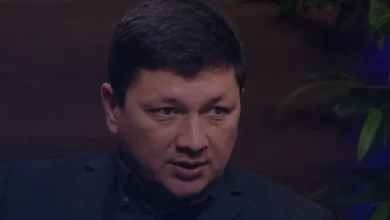
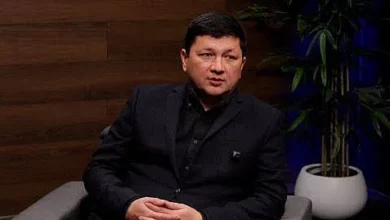
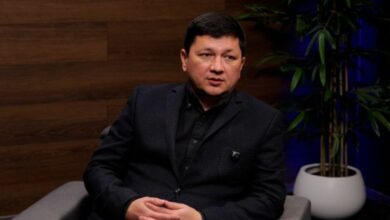
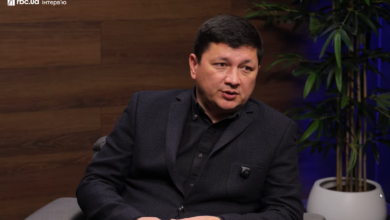
The current dispute centers on an interview the minister gave to RBC-Ukraine, published on November 16. The journalist asked about the risk of former service members becoming involved in criminal activity after the war if they could not find work or earn enough.
“This is bound to happen. It happened after every war. People with skills, a diminished sense of risk, and an exaggerated sense of justice. It will definitely happen. This is not only about crime, but also social tension and revolutions. Unfortunately, the state is not working in this area right now—in terms of information policy, protecting the future of citizens, and shaping public opinion properly,” Vitalii Kim said.
He also cited protests as a possible manifestation of social tension. In the minister’s view, the state must both protect civilians from potential offenses and offer veterans an alternative path—jobs and opportunities to return to civilian life.
Kim acknowledged that society was not adequately prepared for the mass return of service members. He criticized the tendency to view veterans through stereotypes—as unpredictable, affected by post-traumatic stress disorder, and people to be feared. The minister stressed that service members need respect, not fear, from society.
Part of the interview about psychological rehabilitation drew separate criticism. The official acknowledged that psychological recovery was essential to returning to ordinary life, but rejected the possibility of forcibly referring service members for such rehabilitation. At the same time, he expressed skepticism about certain approaches to support:
“I just don’t believe in all these traumas and treatments—it’s a marketing story,” Vitalii Kim said.
The minister also said that Ukraine lacked military psychologists with experience treating the effects of combat. According to him, about 20 such specialists are trained each year. He said the ministry had already proposed increasing their numbers and expanding training in working with post-traumatic stress disorder.
The official named assessing the effectiveness of psychological support as another difficult issue:
“There’s no guarantee that you’ll go to a psychologist, they’ll work with you, they’ll be paid, but there may be no result. It’s a difficult issue, because it’s very hard to measure the quality of a psychologist’s work,” Vitalii Kim explained.
In the minister’s assessment, Ukraine is not yet ready for the large-scale return of service members to civilian life after the war. At the same time, he noted that demobilization would not happen all at once for everyone, and cited a historical example:
“No, no one was ready. After World War II, demobilization lasted from 1945 to 1952,” Vitalii Kim said.
In his view, preparations must cover not only social support but also the economy—including creating jobs and employment opportunities. In this context, he also spoke about the possibility that citizens may leave after the war ends and the borders reopen:
“The economy must be ready for veterans to return. Let’s be frank: if the borders open, people will leave,” Vitalii Kim noted.
Another part of the interview concerned whether the state would be able to support veterans solely through social benefits:
“We won’t be able to simply support all veterans and their families socially. We expect more than 3 million veterans,” Vitalii Kim said.
Including family members, he estimated that about nine million people would be affected after the war. That is why the minister listed the following as necessary opportunities for veterans:
- education;
- employment;
- starting a business;
- access to housing.
According to Kim, the Ministry of Veterans Affairs is preparing training programs and legislative changes. These are intended to make it easier for former service members to find work and give employers additional incentives to hire veterans.
Service members and representatives of the veteran community publicly criticized the official’s remarks. Andrii Kovalov, spokesperson for the General Staff of the Armed Forces of Ukraine, called them insulting to veterans, criticized the minister’s communication, and said he did not understand veterans’ issues.
“Well, it’s clear that Vitalii Kim doesn’t want to head the Ministry of Veterans. The man simply doesn’t want to. He’s not qualified for this, and after four months he still hasn’t had the sense to understand the most basic things. He’s giving us signs that he isn’t interested. It really seems as though he’s being forced to stay in this position. I don’t understand. If you can’t handle it, if you don’t like it, submit your resignation. Why torture yourself and undermine the state’s veterans’ policy?” Andrii Kovalov said.
Members of the veteran community also rejected generalizations linking the return of service members with potential criminality:
“Mr. Vitalii Kim, saying that veterans may turn to crime after returning from the front is a very serious generalization. As a veteran, I find it offensive and unfair. Veterans are not potential criminals; they are people who defended the country and are now trying to return to civilian life. If some of them lack support, rehabilitation, work, or decent social protection, that is not a stigma attached to all veterans—it is a question for the state system,” wrote Mykhailo Drohotenko, a veteran of the 57th Separate Motorized Infantry Brigade.
We previously reported:
- You can’t dismiss Mykolaiv residents’ discontent as bots: Kim claims Russia is funding his critics
- 100,000 jobs for veterans, Kim announces
- “A veteran shouldn’t have to run errands”: Vitalii Kim wants to eliminate paperwork and the runaround between agencies
- “A veteran should be minister, not Kim”: government appointment sparks protest
- ATO veterans invited to the “Warrior’s Heart” training