Russia Wants to Rewrite Europe’s Security Rules in Talks in Abu Dhabi — ISW
Lavrov proposes first agreeing on the continent’s security architecture


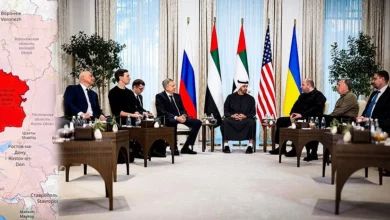
Russia is seeking to make the trilateral talks with the United States and Ukraine in Abu Dhabi a platform not only for discussing how to end the war, but also for revising Europe’s entire security system. This assessment is contained in a report by the Institute for the Study of War (ISW) dated November 10, 2026. Analysts see Moscow’s position as a de facto return to the ultimatums it issued to NATO and the United States in December 2021.
The conclusion is based on a statement by Russian Foreign Minister Sergey Lavrov. He proposed first agreeing on the future security architecture of Europe, and only then addressing the settlement of the war in Ukraine. The minister described this sequence as entirely reasonable.
An unnamed member of the Russian delegation in Abu Dhabi outlined a similar approach, saying that ending the war in Ukraine is just one item in a broader discussion of European security. Based on statements by Russian officials, analysts conclude that Moscow is trying to make this broader issue the focus of the talks.
The Kremlin’s earlier demands were that NATO stop deploying new weapons and military personnel in countries that joined the Alliance after 1997. As ISW explains, meeting these conditions would allow Moscow to influence NATO’s decisions and restrict countries’ ability to determine their own security policies and choose military alliances.
This approach contradicts the position previously expressed by U.S. President’s special envoy Jared Kushner, analysts note. He emphasized that, after a peace agreement is concluded, every country should retain its sovereignty and the right to make its own decisions on security and participation in alliances. At the same time, he said, NATO should continue to play a central role.
ISW also views Russian statements about NATO enlargement as another attempt to justify aggression against Ukraine. Moscow portrays Ukraine’s potential accession to the Alliance as an alleged threat to Russian security and one of the so-called “root causes” of the war. According to the Russian side, these are what must be addressed in the negotiations.
“NATO has never posed a threat to the security of Russia. Nevertheless, Russian dictator Vladimir Putin invaded Ukraine in 2022 to destroy the unity of NATO and the West,” ISW analysts note.
According to the institute, the Kremlin’s years-long information campaign portraying NATO and Ukraine as threats to Russian sovereignty is intended to justify Moscow’s attempts to regain control over former Soviet states. Therefore, ISW links the current demands to revise Europe’s security architecture not to genuine Russian concerns about its own security, but to the pursuit of its geopolitical goals.
We wrote earlier:
- Europe to join talks on ending the war in Ukraine
- First, end the war: Europe refuses to discuss Putin’s security demands
- Putin says he is ready for talks and threatens to achieve all the goals of the war
- Russia demands that NATO abandon the Baltic states to end the war
- Russia threatens war if its demands are not met, says U.S. Permanent Representative to the UN