"Are we in a concentration camp?": Olya Polyakova stated that Ukraine "is no longer free"
Polyakova launched a high-profile critique of "betrayal", freedom and TCK


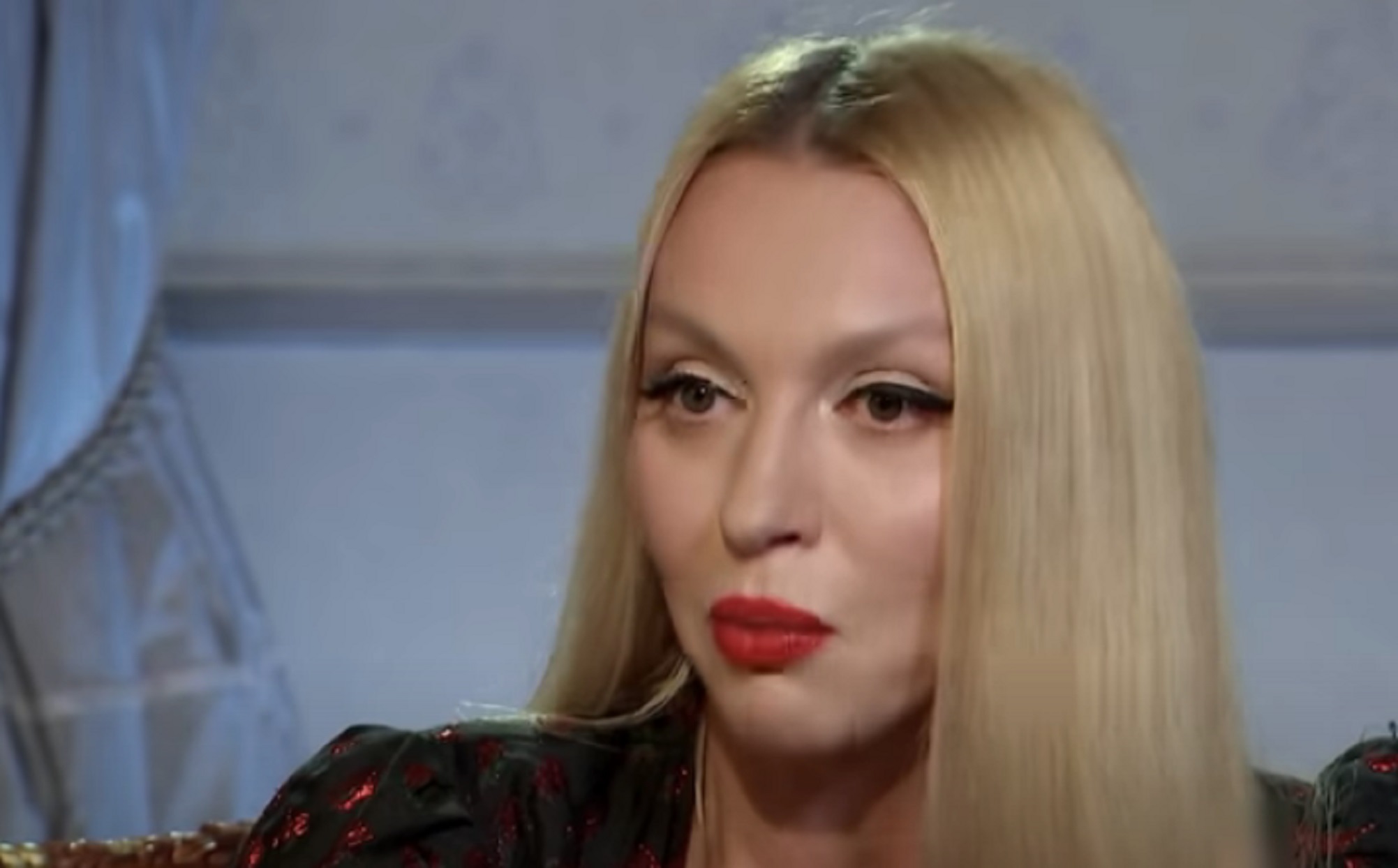
Ukrainian singer Olya Polyakova made a number of resonant statements about freedom of speech, social pressure and mobilization. In an interview with journalist Ramina Eshakzai, published by Khvylia in the evening of 10 August 2026, the artist said that Ukraine, in her view, is ceasing to be a free country, and emotionally compared the atmosphere of constant fear of public condemnation to a “concentration camp”.
“Ukraine is no longer a free country. We have fought for so many years to be free — and how free are we?” – this is how Olya Polyakova explained her viewpoint.
It is important to note that the words about the “concentration camp” did not originally appear directly in the context of the TCC. The conversation began with a wave of criticism directed at Olya Polyakova after the Laima Rendezvous Jūrmala festival in Jūrmala, where she appeared in a joint video with Russian-born Serhiy Hryhoriev-Appolonov, who performs under the pseudonym Grey Wiese. The singer said she does not see herself to blame in that situation, and that the constant search for “betrayal,” in her opinion, forces public figures to be afraid of every word, photo or action.
It was during this part of the conversation that Olya Polyakova asked rhetorically, “Are we in a concentration camp?” and compared such an atmosphere to Soviet-era rules, when people had to orient themselves by what was permitted or prohibited by the “party.” In her view, people should have the right to live, work, express their own positions and make mistakes without constant fear of public bullying.
Mobilization and the work of the TCC were separate topics in the interview. Olya Polyakova recalled numerous videos of violent conflicts during mobilization actions and said that people in the streets often fear intervening even when they see the use of force. In the artist’s opinion, this erases the boundary in society between what people consider normal and unacceptable.
The singer claimed that today passersby can see a person being forcibly shoved into a car but not intervene for fear that those involved are TCC representatives and that they themselves could be next. Olya Polyakova called such behavior a manifestation of double standards: in her words, society can loudly condemn a public person for words or a photo, yet at the same time look away when witnessing violence on the street. She used the comparison to a “concentration camp” primarily when speaking about social pressure, hate and the fear of public figures to express their opinions, and separately spoke sharply about the violent incidents during mobilization and the indifference of witnesses.
After the interview was published, clips of Olya Polyakova‘s statements quickly spread across social networks. The reaction was sharp and mixed. Some users supported the singer, saying that she publicly voiced what many people only say privately. Others accused the artist of excessive generalization and of using formulations similar to Russian propaganda narratives about the alleged lack of freedom in Ukraine.
Journalist Vitaliy Portnikov reacted separately to the comparison with a “concentration camp.” He emphasized that public criticism of a public figure and real repressions, torture and persecution are fundamentally different things, and cited as an example what is happening in the Ukrainian territories occupied by Russia.
Previously we wrote:
- Turned off the body camera during notification — received a fine: a court in Mykolaiv punished a TCC representative
- TCC under investigators’ scrutiny: 76 managers were charged
- Women without children proposed for mobilization: the CPD explained whether such changes are being prepared
- For $600 a TCC serviceman promised to remove a man from the wanted list in Mykolaiv
- An SBU colonel reported beatings in the TCC and the disappearance of UAH 55,000