Kyiv residents could be switched to “rocket” boats: Mykolaiv’s Nibulon recalls its fleet
Bridges under Russian strikes: Mykolaiv-based Nibulon proposes using vessels to keep Kyiv’s transport links running


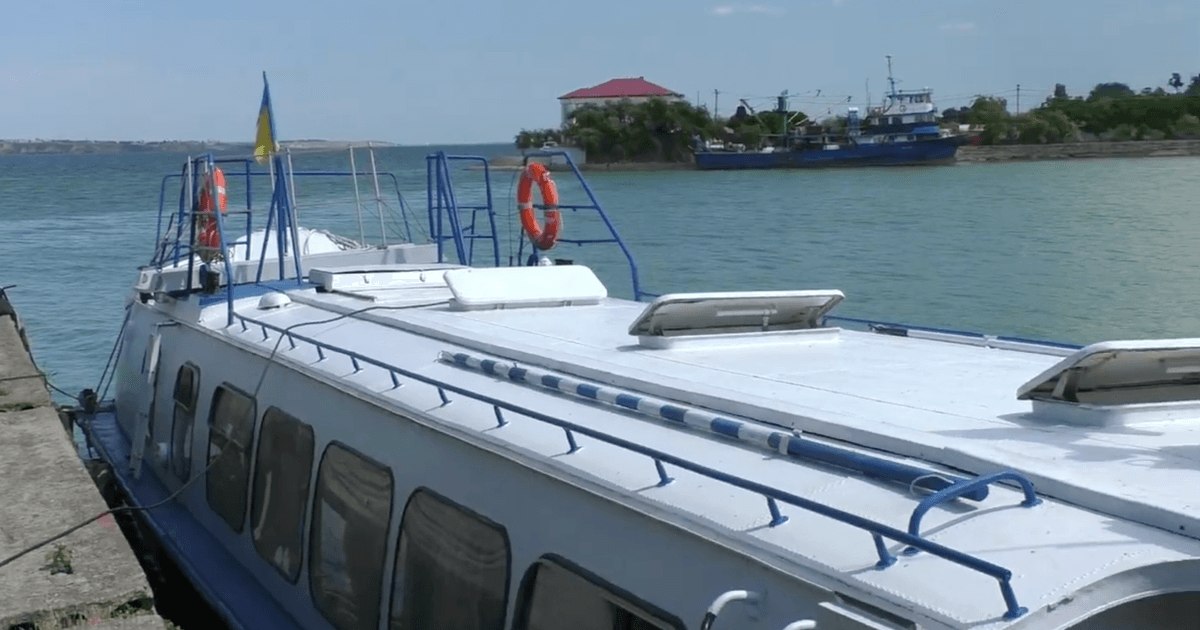
The Mykolaiv shipping company Nibulon has proposed restoring passenger services on the Dnipro between the right and left banks of Kyiv. River transport could become an alternative to road bridges, which are at risk of Russian missile and drone attacks. The company announced the initiative on November 17, 2026, after another Russian strike damaged the capital’s Northern and Southern bridges, forcing authorities to close them to traffic.
Forbes Ukraine reports on Nibulon’s proposal, citing a company press release. The company says it already has experience organizing regular passenger services on Ukrainian rivers, including with its high-speed Nibulon Express vessels, which previously operated in Mykolaiv.
Mykolaiv experience to be applied in the capital
In 2017, Nibulon restored passenger services on the Dnipro and Southern Bug rivers. Mykolaiv became one of the centers of the program, with high-speed Nibulon Express hydrofoil passenger vessels operating there.
Each vessel could carry up to 79 passengers, reach speeds of up to 65 km/h and travel up to 500 kilometers without refueling.
More than 20,000 passengers used the company’s services in the first few months after river transport resumed.
The vessels operated on routes including Mykolaiv–Voznesensk, Mykolaiv–Ochakiv–Kinburn Spit, and Nova Kakhovka–Kherson–Hola Prystan. During Russia’s full-scale invasion, the company also organized services across the Dniester Estuary between Bilhorod-Dnistrovskyi and Ovidiopol.
The company says that restoring services did more than bring passenger vessels back to the rivers. The routes required maintaining navigable depths, developing berthing infrastructure, building partnerships with local communities and creating new jobs.
In its press release, Nibulon emphasizes its experience organizing river connections and their importance to Ukraine’s transport system.
“The company revived passenger services on the Dnipro and Southern Bug rivers, giving Ukrainians the opportunity to travel by water quickly and comfortably once again.”
How river transport used to operate in Kyiv
Passenger shipping is not a new form of transport for the capital. River trams operated in Kyiv from 1961 to 1992, connecting Poshtova Square with the mouth of the Desna and Nyzhni Sady.
Since regular services were discontinued, the idea of bringing passenger river transport back has been raised repeatedly. However, a full system of regular services has never been restored.
The issue has now resurfaced amid Russian attacks on transport infrastructure. Strikes on bridges threaten the usual connections between the banks of the Dnipro, so additional routes could help reduce the capital’s reliance on road crossings.
For now, however, Nibulon’s proposal remains an initiative. No decision to launch services has been announced. Specific routes, piers, ticket prices and start dates have yet to be determined.
War halted shipping in Mykolaiv: Nibulon’s losses exceeded $500 million
For many years, Nibulon, owned by the Vadatursky family, developed its own shipbuilding and river logistics operations. In 2012, the company acquired a shipyard in Mykolaiv, where a significant part of its fleet was built.
In 2019, the company commissioned the Nibulon Max floating crane, which is 140 meters long. It is the longest specialized river-sea class crane vessel built in independent Ukraine.
At the start of 2022, the company’s fleet consisted of 81 vessels, including tugboats, barges and floating cranes. Their combined deadweight tonnage was 156,100 tonnes.
In 2021, the company set its own record for river freight transport, carrying 4.15 million tonnes.
Russia’s full-scale invasion effectively brought this logistics model to a halt. The shipyard and the company’s main transshipment terminal in Mykolaiv stopped operating because of their proximity to the front line. Shipping on the Dnipro and Southern Bug rivers was suspended.
According to Forbes, Nibulon’s losses resulting from the blockade of the port of Mykolaiv exceeded $500 million.
In the second half of 2022, the company began moving part of its fleet to the Danube. Some vessels were dismantled in Mykolaiv, transported by land to Izmail and then prepared for operation again.
As of June 2025, the company had 9 tugboats and 11 barges operating on the Danube. Since the start of the full-scale invasion, Nibulon has invested more than $22 million in infrastructure.
After freight volumes declined on the Ukrainian section of the Danube, the company expanded its operations on the Upper Danube, including in Bulgaria, Serbia and Romania.
Thus, the company, whose river fleet once provided transport services from Mykolaiv, is proposing to apply its experience in Kyiv, where Russian strikes on bridges pose additional threats to transport links.
We previously reported:
- “Take into account the realities of operating a business in a frontline region.” Mykolaiv City Council approved a 13-million land discount for Nibulon
- Mykolaiv City Council exempted Nibulon from land tax through 2026
- Mykolaiv commission rejected a tax break for Nibulon — risk of losing UAH 100 million in annual tax revenue
- Kim asks for the names of deputies blocking a tax break for Nibulon: UAH 100 million and the company’s departure are at stake
- Nibulon demands that the ports of Mykolaiv and Kherson be unblocked — a key condition of any future agreement