"Draft-dodgers" and "people-hunters": Russian propaganda churns out AI videos for Ukrainians
Real faces, fabricated statements: fake claims about politicians are spreading on social media


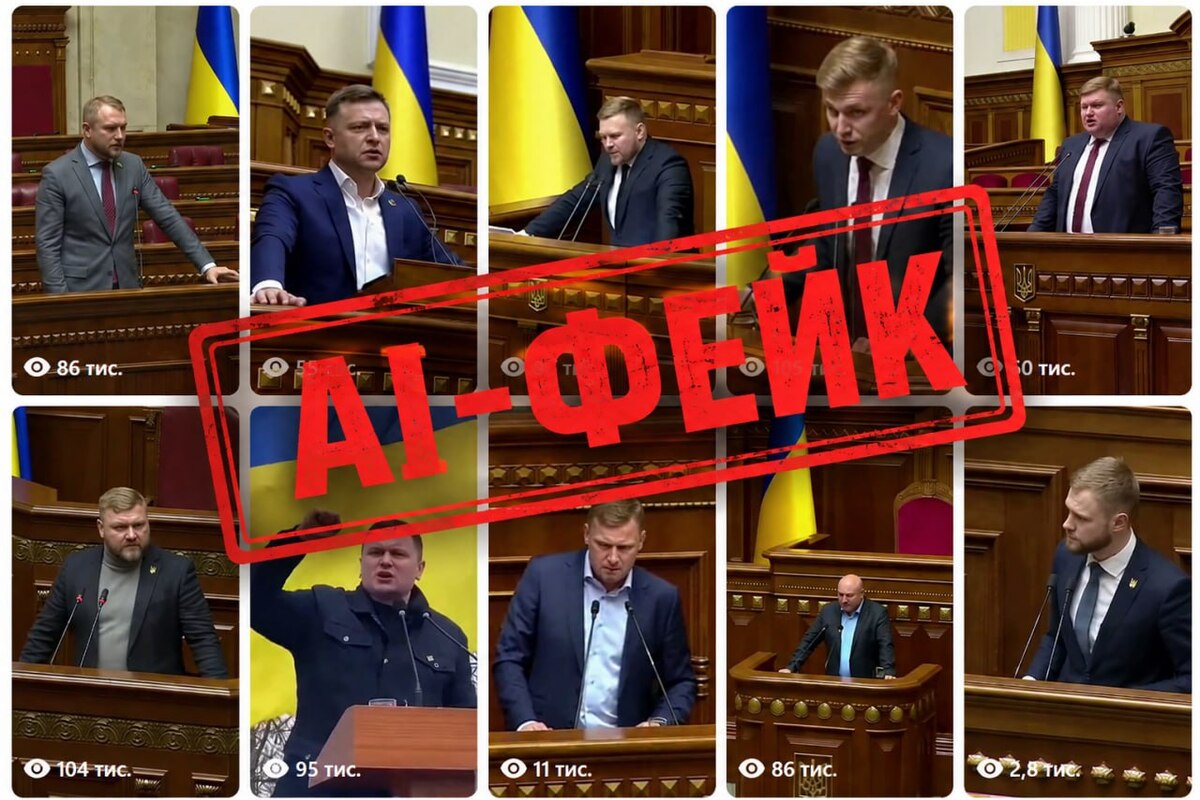
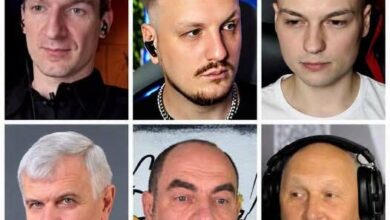
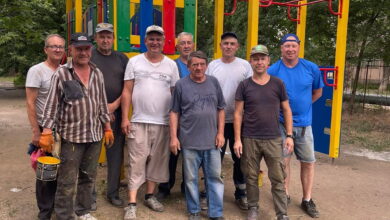
Realistic videos created using artificial intelligence are being circulated on social networks that use images of Ukrainian politicians and other well-known people. Fictitious statements are attributed to them, and staged scenes are presented as real events.
This is stated in the monitoring of the Ukrainian Center for Security and Cooperation. The full text of the study is also published on the official website of the Ternopil Regional Military Administration.
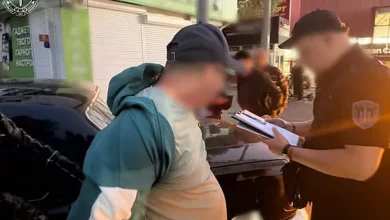
The creators of such content use topics of mobilization, the activities of TCC and SP, unauthorized abandonment of a unit, and alleged total corruption. Representatives of the TCC in the videos are called “bandits”, “cutthroats” and “human-catchers”, and service in the army is portrayed as “a one-way ticket”. AI content is often not properly labeled. It is published as if the recorded events actually took place and the people in the videos really made the statements shown.
According to the UCBS, during monitoring of the information space from 1 February to 15 March 2026 they identified 2.5 million mentions on topics of mobilization, recruitment, SЗЧ and social cohesion. A significant part of the negative information background was created or amplified by bot farms, paid authors, AI content and deepfakes.
At least 159 channels and pages on Facebook, Telegram, TikTok, YouTube and Instagram were submitted for blocking. At the time the study was prepared, 29 pages and three posts had been removed or blocked. The combined audience of the blocked resources exceeded 960 thousand users, and their content received over 138.3 million views.
Analysts believe that such materials are intended to demoralize Ukrainians, undermine trust in state institutions and the military, increase hostility in society, and create the impression that certain problems are a widespread practice.
Users are advised not to consider a video authentic merely because it looks realistic. It is recommended to check whether the relevant statement was published by the person’s or institution’s official pages, and also to look for confirmation in reliable media.
Previously we wrote:
- Mykolaiv TCC warns of an information campaign using videos created by artificial intelligence
- Fake about “the bloody storming of the TCC” in the Mykolaiv region: Russian propaganda spreads horrors
- Do not watch these videos with “busification” and do not share them, urges the TCC
- The TCC stated that stories about “$30,000 for freedom” are fake