In the Czech Republic, it has been proposed to support Ukrainian refugee women, as they are already affecting the country's demographic situation
Without stability and support: why Ukrainian women in the Czech Republic are reluctant to have children


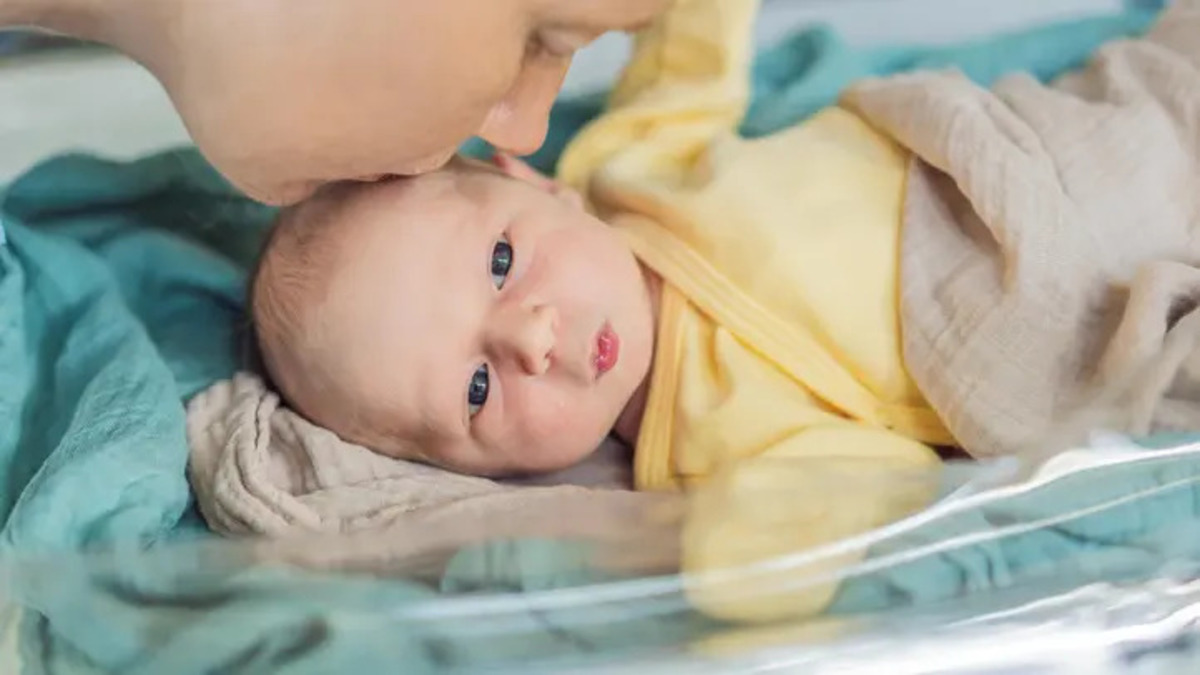
In the Czech Republic, experts are discussing the possibility of providing parental support to refugees from Ukraine. Such a step is being considered as one of the ways to influence the country’s low birth rate, writes Seznam Zprávy.
At the end of April, a discussion on the demographic crisis took place in the Chamber of Deputies of the Czech Republic. Sociologist Daniel Prokop stated that granting parental assistance to Ukrainian refugees would help significantly.
“It would be most useful if refugees from Ukraine had parental support”, – he said.
Analyst of the Demographic Information Center Daniel Hule also emphasized that many Ukrainian women of the highest reproductive age are staying in the Czech Republic, but some of them do not have the right to such support. At the same time, representatives of the Ukrainian community say that for young families not only money is important, but also a sense of stability. Most Ukrainian refugees in the Czech Republic still live under temporary protection, which is extended annually. The director of the Ukrainian Initiative of South Moravia Ilnara Dudash explained that uncertainty about the future demotivates people from making long-term plans.
According to the data cited in the article, last year in the Czech Republic 4.5 thousand children were born to mothers with Ukrainian citizenship. As of 2024, about 200 thousand Ukrainian women aged 15 to 49 years lived in the country. Overall, the share of children born to foreign mothers in the Czech Republic last year was 13 percent. If children with at least one foreign parent are taken into account, the figure reaches 17 percent.
Despite this, the Czech Republic still lags behind the EU average, where the share of children in families of foreign origin is about 24 percent. In Germany this figure reaches 32.5 percent, and in Austria – almost 36 percent.
Previously we wrote:
- Almost 5 million Ukrainians fled the war to the EU – there they plan to “scale back” refugee protection
- The EU extended protection for Ukrainians until 2027: what will happen after this term
- Men are fleeing to Europe en masse: in September the number of Ukrainians in the EU increased by 50%
- The EU is preparing for a new wave of refugees from Ukraine: Germany and Austria are arguing