The tiger mosquito is already in the Odesa region and may spread to the Mykolaiv region
This species bites during the day and is capable of transmitting more than 20 infectious diseases

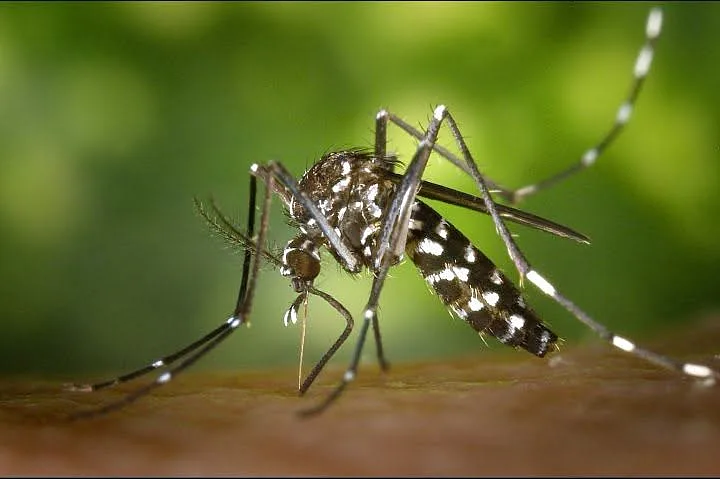
The Asian tiger mosquito — Aedes albopictus — has already been recorded in the neighboring Odesa Oblast. This invasive species is capable of transmitting dangerous viral infections and may spread to Mykolaiv Oblast. Its spread is aided by climate change and active movement of people and cargo.
Experts rank Aedes albopictus among the 100 most dangerous invasive species in the world. At the same time, finding such an insect does not mean it is infected: to transmit a virus, a mosquito must first acquire it when biting an infected person or animal. The presence of the species in a region is also not evidence that all the infections it can carry are circulating there.
The tiger mosquito can be recognized by a black body and legs with distinct white stripes and rings. Another characteristic feature is a white longitudinal line on the back. Unlike many common mosquitoes that are more active in the evening and at night, it more often bites during the day, including in sunny weather. During a single feeding the insect can bite a person or animal several times.
The consequences of a bite vary: they can range from mild itching to significant redness, swelling, or an allergic reaction. The main risk is related to the species’ ability to transmit more than 20 viral infections. Among them:
- West Nile fever;
- Dengue fever;
- Chikungunya fever;
- Zika fever.
For breeding, tiger mosquitoes do not need a large body of water: the female lays eggs even in a small volume of standing water. Places for this can include:
- old car tires;
- buckets;
- flower pot trays;
- clogged drains;
- children’s toys and other containers that collect rainwater;
- vases and other flower containers at cemeteries, where these mosquitoes are also often found.
The species’ eggs are resistant to drying and can survive cold periods. The mosquitoes themselves do not fly far, but their spread is aided by cars, trucks, trains, as well as sea and river transport.
To reduce the risk of bites, experts recommend:
- regularly removing standing water around homes;
- cleaning drains;
- installing mosquito nets/screens;
- using repellents;
- when walking in areas with many insects, choosing light-colored clothing with long sleeves and long trousers.
Severe itching after a bite can be relieved with cold or an anti-allergy gel. If in the following days you develop a high fever, severe headache, a rash, or joint pain, it is recommended to see a doctor.
Residents of Mykolaiv Oblast are asked not to identify the mosquito species on their own. If a mosquito appears to be a tiger mosquito, it can be preserved and delivered to the parasitology laboratory of the Mykolaiv Regional Center for Disease Control and Prevention. Specialists there will carry out species identification.
Separately, the source provides information about another infection: three laboratory-confirmed cases of Lyme disease were registered in Mykolaiv Oblast over the week.