The EU has completely changed entry into the Schengen Area: what Ukrainians can now expect at the border
Facial photos, fingerprints, and automatic tracking of stay durations

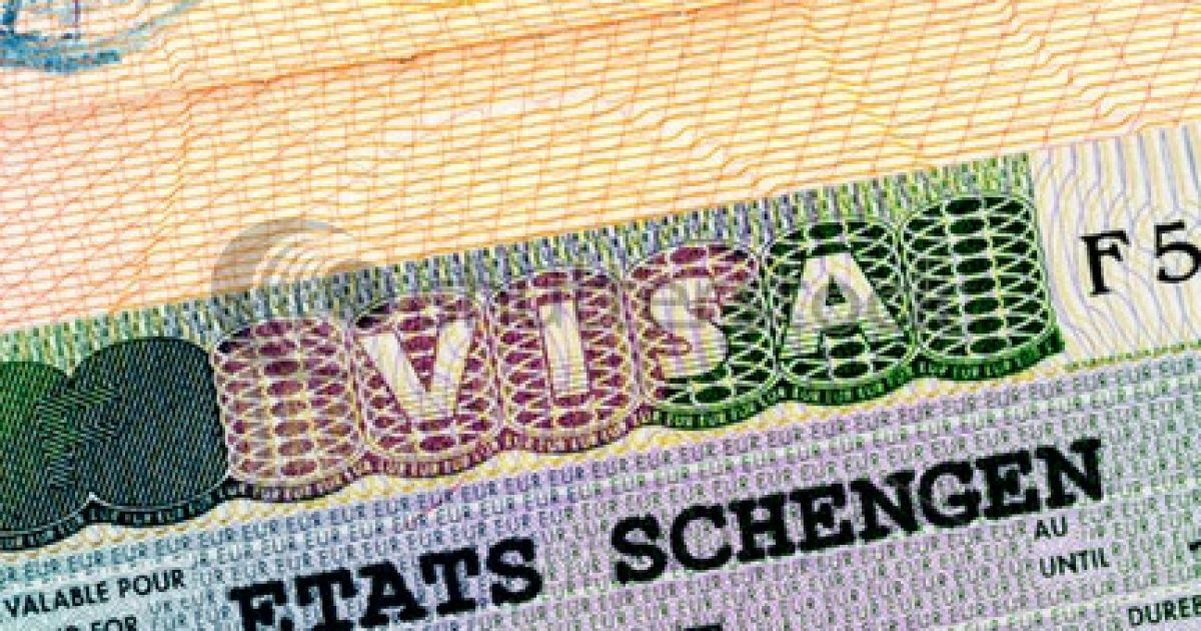
In the European Union, the automated entry and exit registration system EES for citizens of countries that are not members of the EU has become fully operational. It is important that the system did not merely “start” on 10 April 2026, but became fully mandatory from that date after a phased rollout that ran from 12 October 2025 in 29 European countries.
According to the official resources of the European Union and the EU diplomatic service (EEAS).
The new system means that when crossing the external Schengen border authorities will no longer rely solely on manually stamping passports. Instead, border guards or automated checkpoints will record personal data, the date and place of entry or exit, and biometric information – a facial photograph and fingerprints. This data will be stored in a single database.
The rules apply to third-country travellers entering the Schengen area for a short stay – up to 90 days within any 180-day period. This applies both to those travelling with a visa and to those using visa-free travel, including citizens of Ukraine.
The European Commission explains that EES is intended to speed up border checks through digital registration and, at the same time, to make it easier to detect people who have overstayed or are using forged documents. During the transition period, stamps could still be applied at some checkpoints, but after the full launch the system moves to an electronic record-keeping format.
It should also be noted that ETIAS – another European travel authorization system – has not yet become operational. According to the updated official schedule, it is expected in the last quarter of 2026, so it is not the same as EES, which is already in effect.
Also, the EU already has stricter visa rules for citizens of the Russian Federation: they are no longer issued multiple-entry Schengen visas, and for each new trip they must apply again. The European Commission justified this decision by security risks.
Previously we wrote:
- 5.6 million Ukrainians are abroad, fewer than half want to return
- A record passenger flow is being observed at Ukraine’s borders: more than 100,000 people per day
- Men are fleeing en masse to Europe: in September the number of Ukrainians in the EU increased by 50%
- Almost 5 million Ukrainians fled the war to the EU — there they plan to “roll back” refugee protection
- There will be no more passport stamps — the border with the EU is moving into the “digital” era